Getting kids to listen the first time is one of the most common struggles parents face. Most of the time, the problem isn’t your child’s hearing. It’s how, when and where the request is made.
Small changes to the way you talk, like fewer words, a calmer tone and getting down to their level, make a bigger difference than saying it louder. Here’s what to try.

How to get your kids to listen the first time
First — Listen to them
Calling your kids over and over can feel like shouting into the void. Before you book a hearing test, it helps to look at what’s really going on.
Most of us get louder, hoping volume will do the trick. Then we repeat ourselves, sometimes ten times, before anything happens.
Each round leaves both parent and child more frustrated, and the cycle gets harder to break.
Real listening is more than getting their attention. Your child has to understand the request well enough to act on it. If they push back or ignore you completely, it’s a sign to change the approach, not the volume.
Picture a school morning. You’ve asked three times, and your child is still glued to cartoons. Your voice rises, they dig in, and the morning turns into a standoff.
Often the problem isn’t their listening skills. It’s the timing and the way the request was made.
Children process information differently than adults. When they seem to be ignoring you, they may be absorbed in something else or simply unable to switch their attention that fast.
So instead of treating every missed request as defiance, treat it as a cue to adjust how you ask. The goal isn’t just to be heard. It’s for your child to understand and follow through.
How to Raise Good Listeners
State commands instead of asking questions
Age and temperament affect how well a child listens, but they aren’t the whole story. Good listening habits start with your patience and with knowing how your particular child ticks.
Before trying quick fixes, take an honest look at the relationship. Kids often mirror the way we treat them.
A few questions to ask yourself: Does my child feel understood when we talk? Do they get noticed for their efforts? Are most of our interactions corrections, or encouragement?
Building listening skills takes patience (none of us manage it perfectly) and a real effort to understand your child. Everything else in this guide builds on that.
Direct Command vs a Question
Make clear statements instead of asking questions. Rather than “Could you clean up these toys?” try “It’s time to put the toys in the basket now, please.” It’s still polite, but it doesn’t sound optional.
For strong-willed children, limited choices work well. Instead of demanding “Put on your shoes!” try “Would you like to wear your blue sneakers or your red ones?” This approach maintains your authority while giving them a sense of control.
If yelling seems to “work,” it’s worth a second look. Fear gets fast results, but it costs trust.
The aim isn’t just obedience. It’s raising kids who make good choices because they understand why those choices matter.
Kids also watch how you handle your own emotions. If we want them to stay calm when they’re upset, we have to show them what that looks like.
Ask yourself — does my child comprehend what I’m saying?
Take a moment to evaluate whether your expectations align with your child’s capabilities. Have you properly taught them the task? Are they focused when you make your request?
Let me share a humbling parenting moment. I once asked my son to “deep clean” his room, assuming he understood what that meant.
Later, I discovered shoeboxes stuffed with random items under his bed, clothes hung upside down, and clean laundry tossed in the dirty hamper. While part of this was typical child behavior, I had failed to clearly explain my expectations.
Be specific about what “done” looks like. Kids cooperate more when they know both what you want and why.
How to discipline a child who won’t listen
Think of discipline as teaching, not punishment. When guiding your children toward better listening habits, consider these practical approaches:
- Create logical connections between choices and consequences. For instance, if your child refuses to brush their teeth, explain calmly: “I understand you don’t want to brush right now. However, if you choose not to, you’ll need to skip sugary treats today to protect your teeth.”
- Always acknowledge their feelings first, even while maintaining boundaries. Try saying, “I know this feels hard right now. The rule about brushing teeth still stands, but I’m here to help make it easier.”
- Follow through consistently with stated consequences. Empty threats erode trust and respect in your relationship.
- Focus on prevention rather than reaction. Set your child up for success by implementing positive communication strategies before problems arise.
- Offer second chances when appropriate – we all need grace sometimes.
- Make communication a family affair. Have regular discussions about how everyone can contribute to better listening and understanding at home.
Before you try to get your child to listen, make these simple changes first
Kids listen better to people they feel connected to. Think of a typical weeknight: you start dinner after work while the kids are absorbed in their tablets, and when you call them to the table, nobody moves.
After multiple ignored requests, frustration builds, leading to harsh consequences or threats. While this might get immediate results, it poisons the atmosphere during what should be valuable family time.
Try this instead: before you start cooking, spend 10 minutes doing something your kids enjoy. That short burst of attention often makes them much more cooperative later.
5 tips for getting your kids to listen the first time
1. Make sure your kids aren’t distracted when you are talking to them.
Calling a name from across the room rarely gets a child’s full attention. The TV, the toy in their hands, even a bird outside the window all compete with your voice.
Remove the distraction first: turn off the TV, ask them to put the toy down or pause the game. Do it gently, because suddenly switching off their show creates instant resistance.
A heads-up helps: “In two minutes, I need to talk to you about something important.”
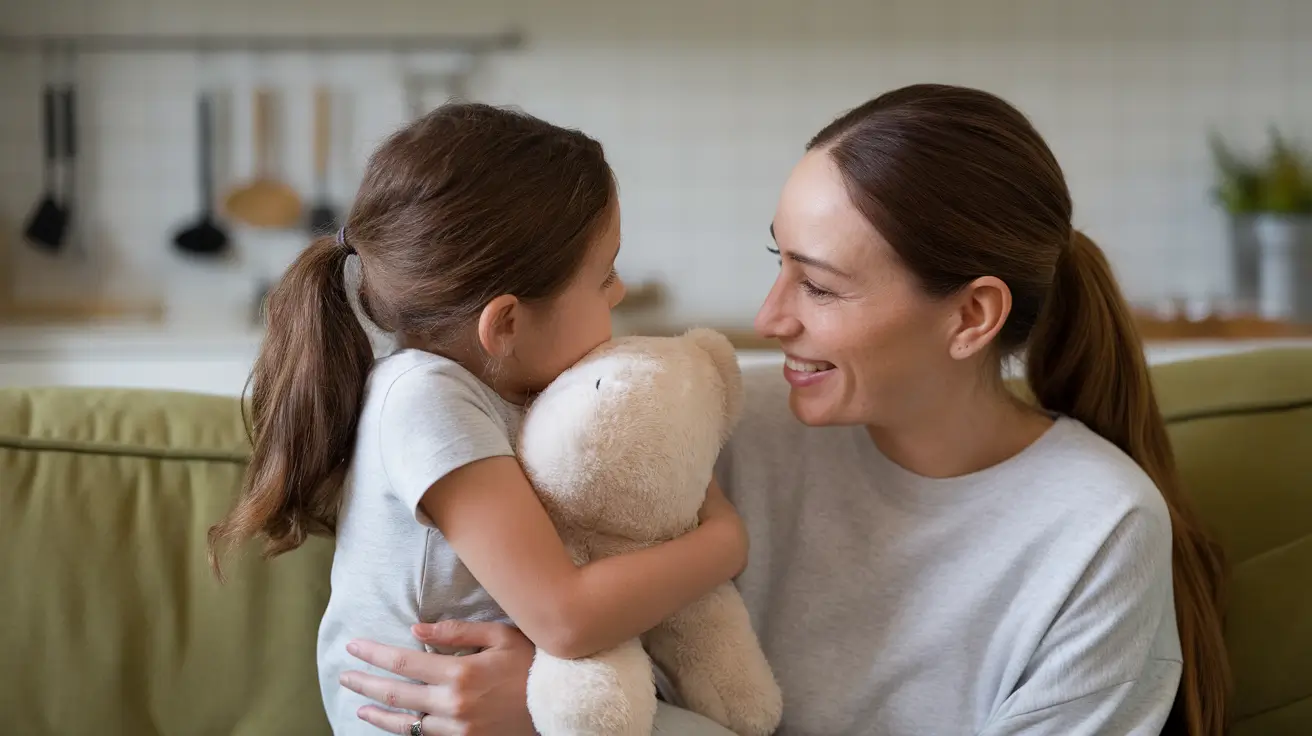
Then get down to their level by kneeling, sitting beside them or bringing them to the table. Make eye contact, but don’t demand it. Some children, especially neurodivergent kids, actually process information better without it.
Use their name and, if they’re comfortable with it, a light touch on the shoulder. Watch their body language too. If they’re fidgeting or looking everywhere but at you, they’re probably not ready to take anything in.
Timing matters too. Important conversations rarely go well when a child is hungry, tired or wound up. Sometimes the best move is waiting until after a snack.
Create a special signal or routine for important conversations. Some families use a specific phrase like “I need your listening ears” or a gentle hand gesture. Over time, these signals become familiar cues that help children transition into listening mode.
2. Comprehension matters — use fewer words and simple phrasing
With kids, fewer words work better. Long explanations and multi-step instructions get lost quickly.
Instead of “It’s time to get ready for bed, which means you need to put away your toys, brush your teeth, put on your pajamas, and choose a book for storytime,” give one or two steps at a time.
Create visual aids for routine tasks. A simple chart with pictures showing the bedtime routine can help children process and remember what’s expected. This works because children often understand and retain visual information better than verbal instructions.
Use concrete language rather than abstract concepts. Instead of saying “clean your room,” be specific: “Put the books on the shelf and the toys in the blue bin.” This clarity helps children understand exactly what success looks like.
Match your language to their age. A five-year-old needs short, direct phrases, while a ten-year-old can handle more detail as long as it’s still clear.
Follow a “rule of three”: no more than three instructions at once, because anything beyond that tends to get lost.
Break bigger jobs into small steps, and acknowledge each one before moving to the next.
When giving instructions, ask your child to repeat them back to you in their own words. This isn’t about testing them – it’s about ensuring mutual understanding and giving them ownership of the task. If they can’t repeat the instructions accurately, that’s valuable feedback that your message wasn’t clear enough.

3. Talk respectfully and not in a demeaning way
Kids may struggle with listening, but they’re excellent at copying us. The way we speak to them becomes the way they speak to themselves and others.
And when we’re stressed or tired, our tone is usually the first thing to slip.
Tell them what to do instead of what not to do. Instead of “Stop running in the house!” try “Please walk inside. Walking helps keep everyone safe.”
Rather than “Don’t throw your toys,” say “Toys stay on the table or in your hands.” You keep your authority, and they learn the behavior you actually want.
Pay attention to your tone of voice – it often carries more weight than the words themselves. Even when setting firm boundaries, maintain a calm, respectful tone. Children can distinguish between firmness and anger, and they respond better to the former.
Acknowledge their emotions and perspectives before stating your request. “I see you’re having fun with that game, AND it’s time for dinner.” The word “and” is more inclusive than “but” and helps children feel heard while still maintaining the boundary.
Use “I” statements to express your feelings and needs: “I feel worried when toys are left on the stairs because someone could trip” instead of “You always leave your toys everywhere!” This approach models emotional awareness and responsible communication.
Create opportunities for dialogue rather than monologue. Ask open-ended questions that invite their input: “What do you think would help you remember to put your toys away?” This collaborative approach helps children feel respected and involved in problem-solving.
Repetition, Eye Contact, Over Explanation, and Proximity
Four habits that make a real difference:
- Embrace repetition wisely: Help children remember requests by having them repeat back what you’ve asked. Make it fun – turn it into a game or use silly voices occasionally.
- Make eye contact meaningful: Get down to their level, especially when they seem resistant. Create a safe space for connection.
- Explain thoroughly but simply: With toddlers particularly, detailed explanations in calm voices work wonders. Use analogies they can understand.
- Stay close: Avoid shouting instructions from another room – proximity matters for both physical and emotional connection.

4. Make sure your child is in the right state of mind when you communicate with them
A child who is upset, overtired or overexcited can’t take in much, no matter how well you phrase the request. Adults have off days too, and kids have them more often.
Learn to read the signs of hunger, fatigue or overwhelm in your child, and notice your own mood as well. Spotting these early helps you pick the right moment for important conversations.
Build in regular check-ins, such as car rides, meals or bedtime. When kids know they’ll get time to share their own thoughts, they’re more willing to listen to yours the rest of the day.
Agree on a “cooling off” plan for heated moments, like a calm-down corner anyone in the family can use. Practice deep breathing, counting or a quick walk together so everyone knows what to do when emotions run high.
Remember that different children have different emotional processing speeds. Some might need five minutes to calm down, others might need thirty. Respect these individual differences and adjust your approach accordingly.
During calm moments, help them name their feelings. Kids who have words for their emotions are easier to reach when things get tense.

5. Give them rewards
Rewards can help, but use them thoughtfully. Sticker charts and prize boxes work in the short term. The long-term goal is a child who listens because they see the point, not because there’s a prize.
Start by recognizing effort over outcome. When your child makes a genuine attempt to listen and follow through, acknowledge their effort specifically: “I noticed how quickly you responded when I called you for dinner. That kind of responsibility really helps our family run smoothly.”
Natural rewards work better than artificial ones. For instance, when your child consistently puts their toys away, they might earn the privilege of choosing the next family game night activity. This connects responsible behavior with meaningful outcomes.
Verbal praise should be specific and genuine. Instead of a generic “good job,” try “You put your backpack away as soon as you came home – that shows real responsibility!” This specificity helps children understand exactly what behaviors you value.
Point out the natural payoff of listening. When they follow directions quickly, mention how much more time is left for fun.
Build in special one-on-one time as a reward for consistent good behavior. This might be an extra story at bedtime, a special craft project together, or simply dedicated playtime. For most kids, the best reward of all is your undivided attention.
As listening becomes a habit, slowly phase out the prizes. The goal is for good choices to come from your child, not from the reward.
What happens when they still respond disrespectfully?
Even with perfect communication strategies, children will have moments of resistance. That’s normal. When tensions rise, try this approach: “Let’s both take a few minutes to calm down, then we can talk about this better. We’ll meet back here in [specific time].”
This technique teaches emotional regulation while preserving dignity for everyone involved. As children grow older, this skill becomes increasingly valuable.
Better listening won’t happen overnight, and no family gets it right every day. Pick one or two of these changes, stick with them for a couple of weeks, and build on what works.
The good news is that the biggest lever is in your hands. When the way you ask changes, the way your kids respond usually follows.