You know that moment when your baby discovers their hands for the first time? Mine spent a full 20 minutes just staring at her fingers like she’d found buried treasure. That’s the magic of sensory exploration—and honestly, it doesn’t take expensive toys or elaborate setups to spark that same wonder every single day.
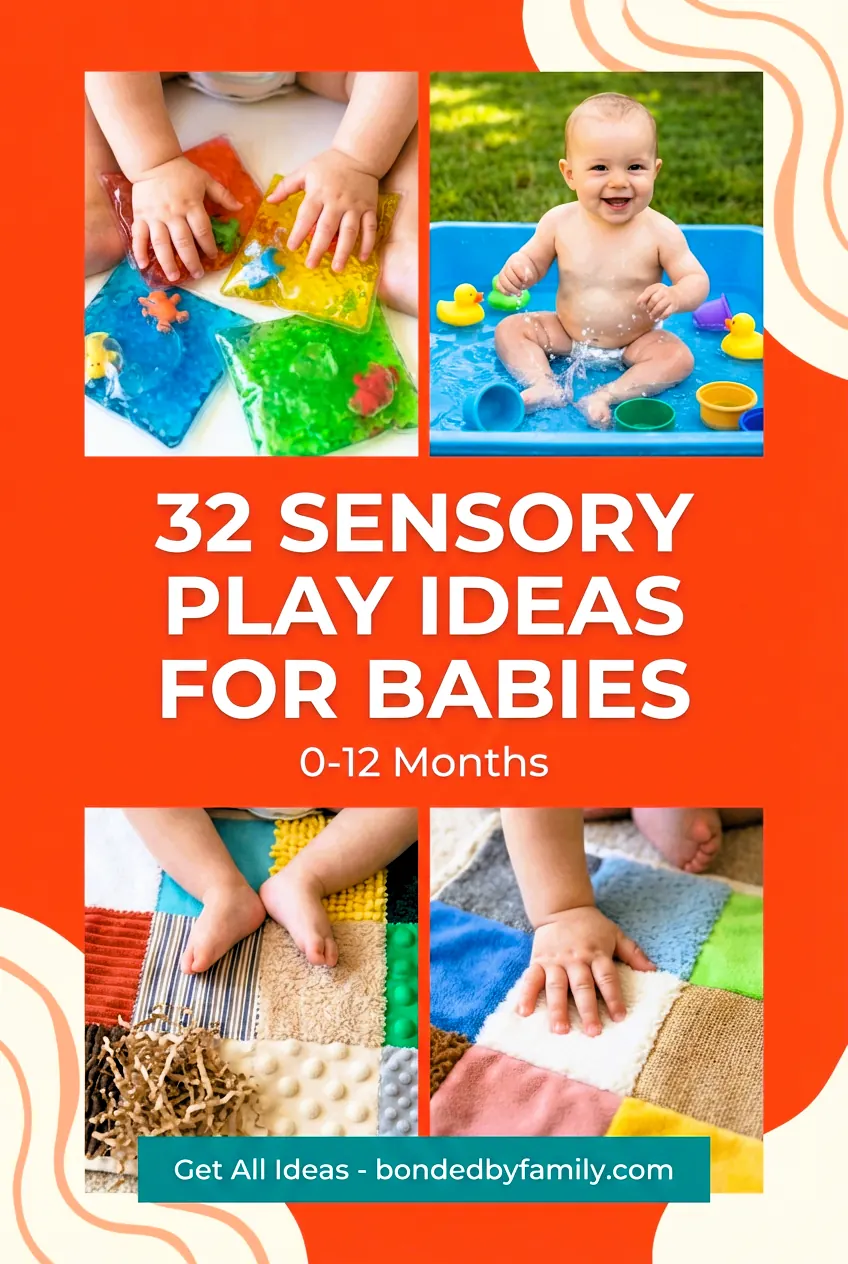
I’m sharing 32 sensory play ideas that actually work for real babies in real homes. These aren’t Pinterest-perfect fantasies. Some will get messy. A few might flop. But most will give you those precious moments when your baby’s eyes light up because they’re discovering something completely new about their world. Whether you’re working with a curious 2-month-old or a grabby 11-month-old, there’s something here that’ll make their little brain light up.
Early Stage Sensory: 0-3 Months
Your tiny newborn might seem too small for “play,” but their senses are already working overtime.
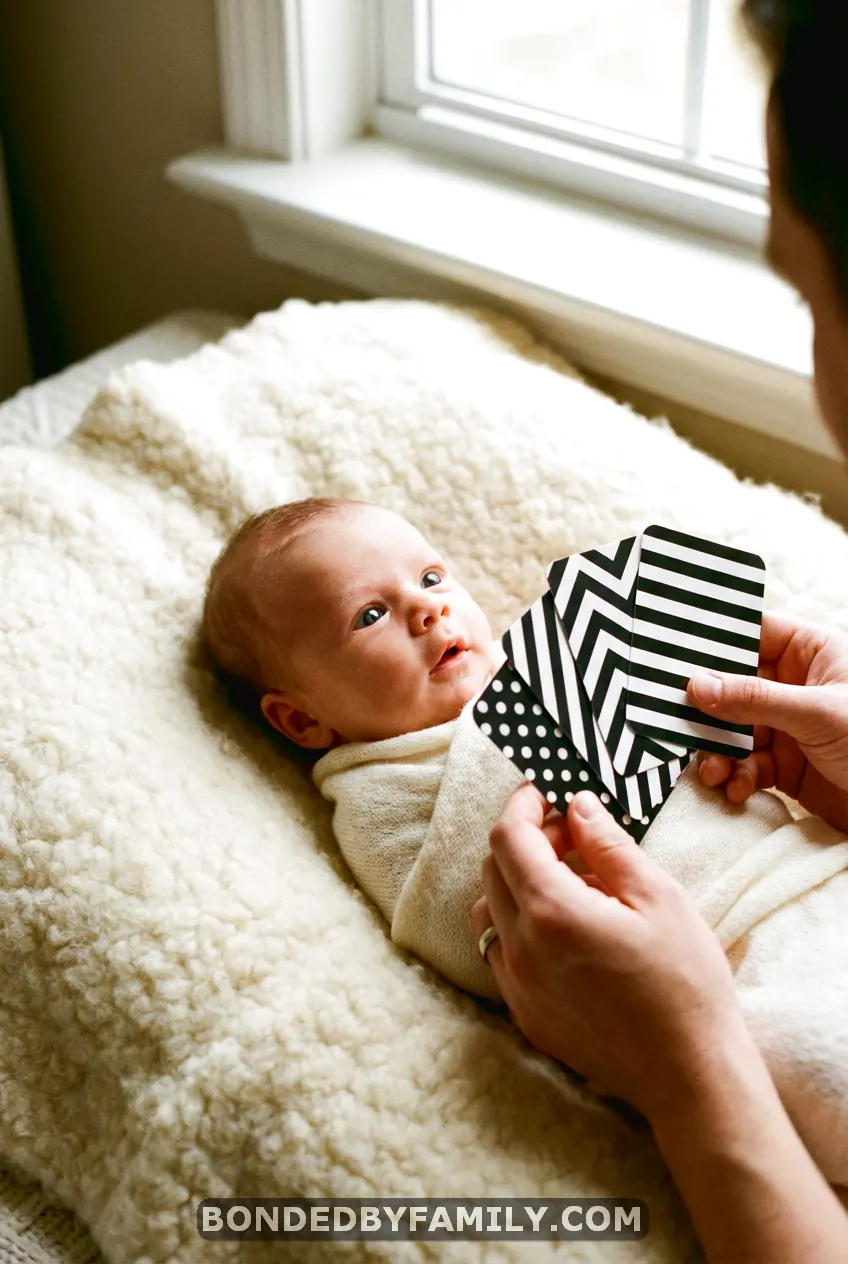
1. High-Contrast Visual Cards
Hold black-and-white pattern cards about 8-12 inches from your baby’s face. Their developing vision responds best to high contrast, and watching them try to focus is genuinely fascinating. You can print these free online or make them with markers.
2. Textured Fabric Exploration
Gather fabric scraps—silk, corduroy, fleece, satin, burlap. Gently brush them across your baby’s palms and feet during alert time. My daughter made this hilarious startled face when she felt velvet for the first time.
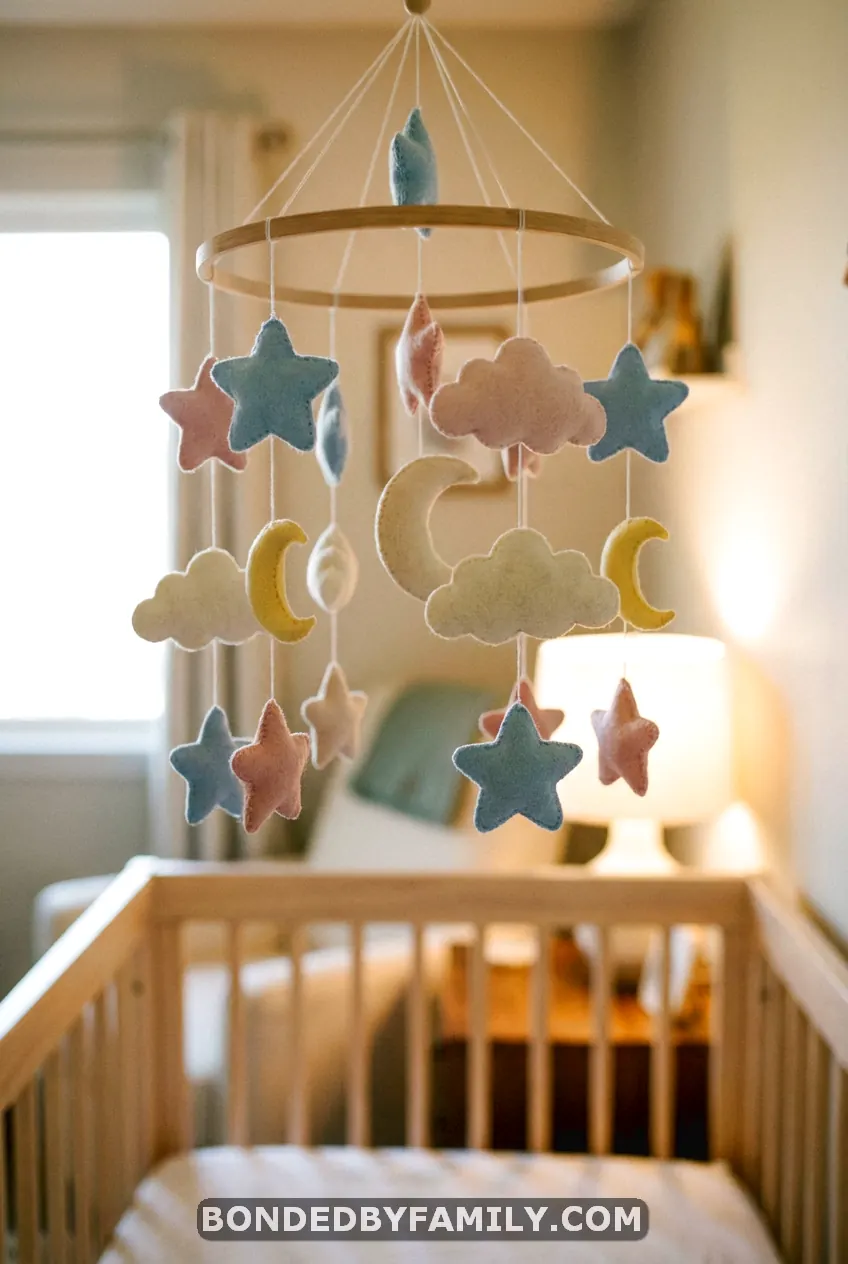
3. Musical Mobiles with Movement
Hang a mobile with gentle sounds and slow movement above the changing table. Babies at this age are learning to track objects, and the combination of visual and auditory input is gold.
4. Gentle Water Play During Bath
Before bath time becomes a splashing sport, newborns find warm water incredibly soothing. Cup your hand and gently pour water over their belly while talking softly. It’s sensory input plus bonding.
5. Scent Introduction with Safe Items
Babies explore through smell long before they can grab things. Let them smell vanilla extract on a cotton ball (not too close!), fresh herbs like mint, or a clean lemon peel. Keep it brief and watch their reactions.
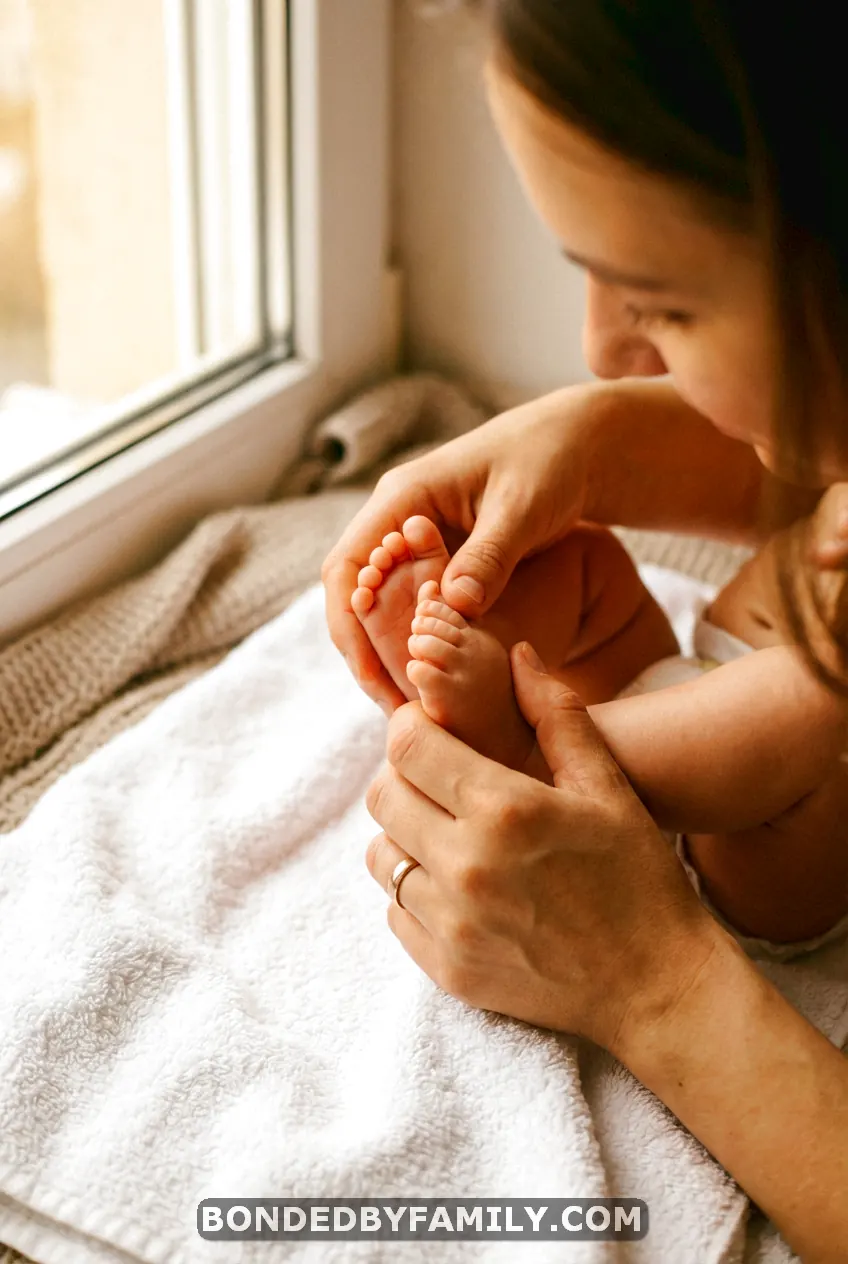
6. Baby Massage with Gentle Touch
Use unscented baby oil and gentle pressure to massage their arms, legs, and back. This is tactile input that helps them understand where their body ends and the world begins.
7. Mirror Time for Self-Discovery
Place a baby-safe mirror where they can see their reflection during tummy time. They won’t recognize themselves yet, but they’ll study that “other baby” like it’s the most interesting thing in the room.
8. Crinkle Paper Sounds
Take tissue paper or crinkle wrap and gently scrunch it near their ears (not too loud!). The sound is intriguing without being scary, and you can see their little ears perk up.
Building Skills: 3-6 Months
Now they’re grabbing, mouthing, and getting genuinely interactive.
9. Taste-Safe Sensory Bags
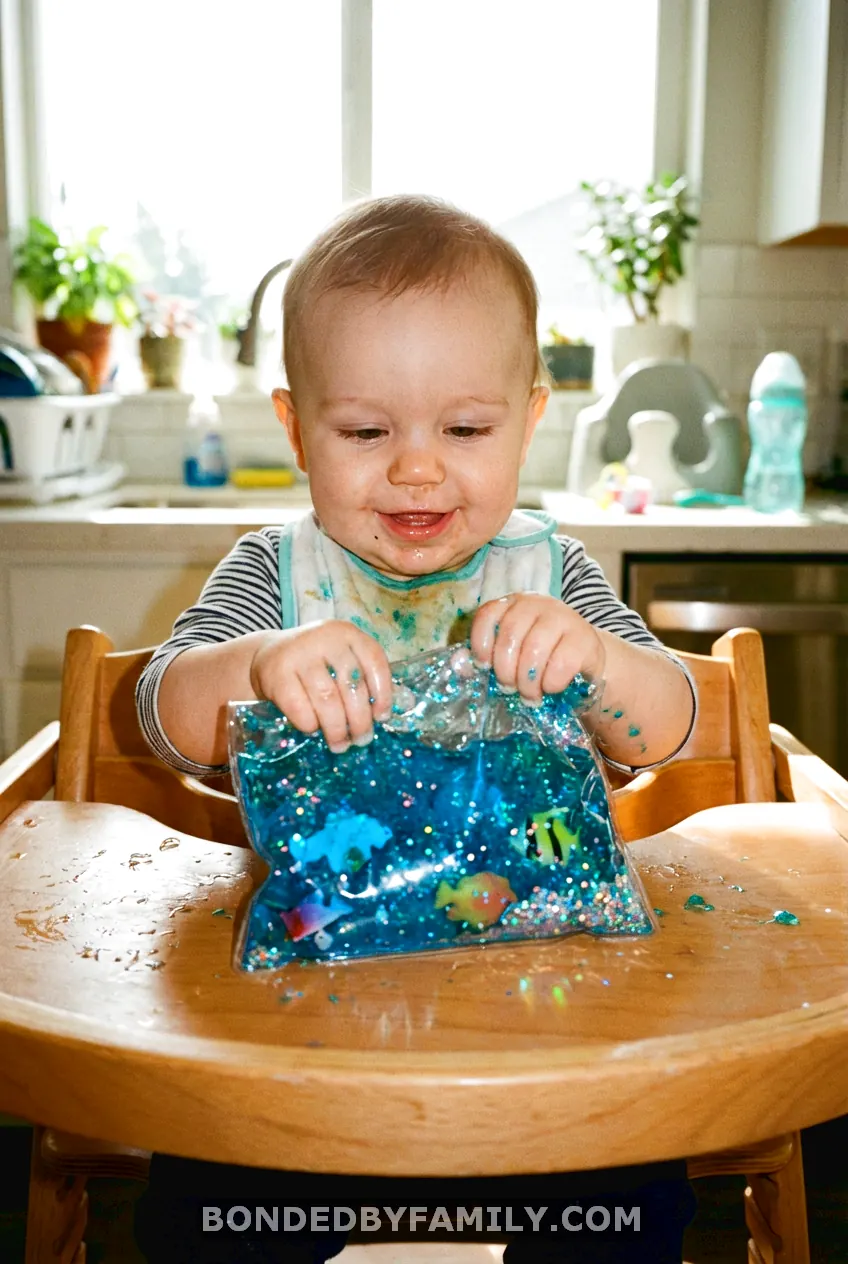
Fill ziplock bags with hair gel and food coloring, seal them thoroughly with duct tape, and tape them to a highchair tray. Babies can squish and explore without the mess. Make sure they’re supervised because some babies are surprisingly strong.
10. Frozen Teething Toys
Wet a clean washcloth, tie a knot in it, and freeze it. The cold texture feels amazing on sore gums, and the temperature change is sensory gold. Bonus: it actually helps with teething pain.
11. Edible Finger Paint with Yogurt
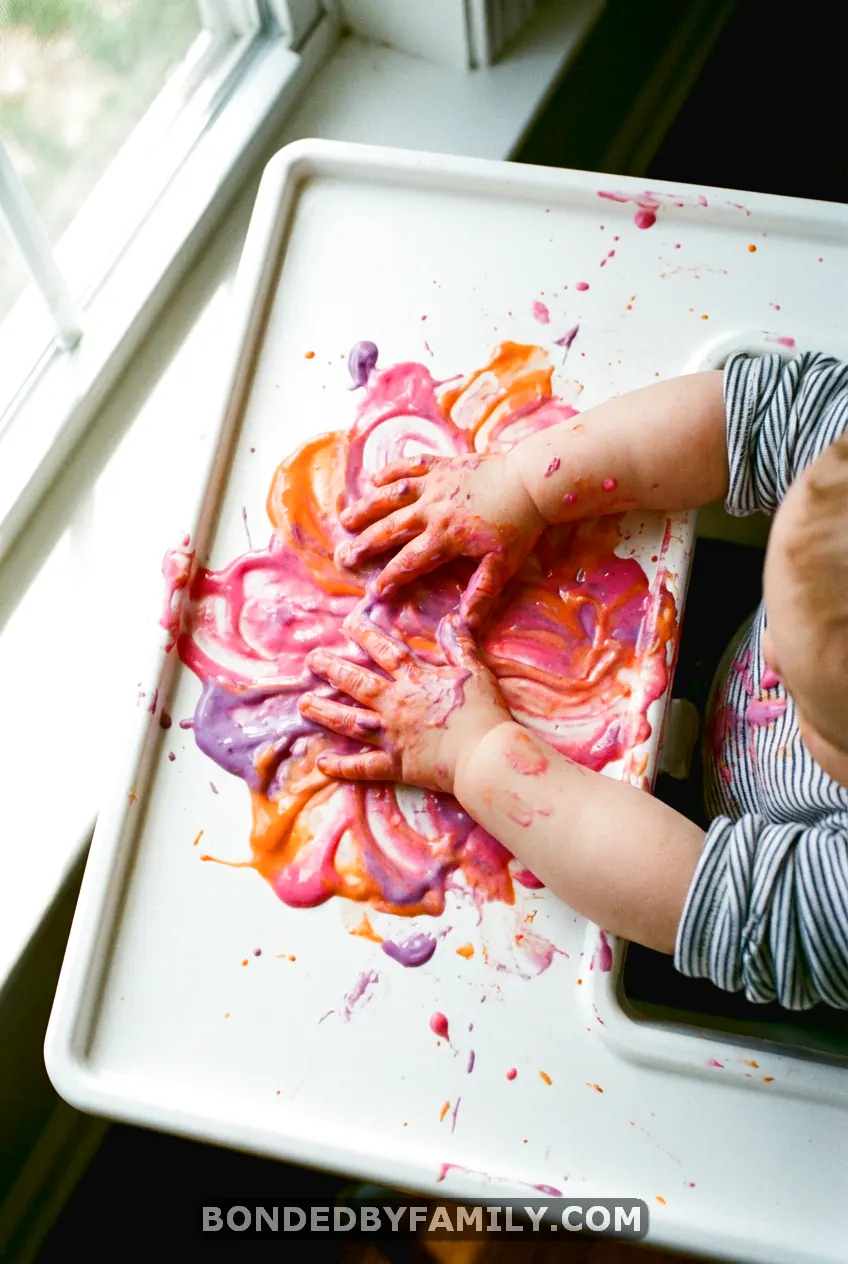
Mix plain yogurt with fruit purees to create safe finger paint. Spread it on the highchair tray and let them smear, taste, and explore. It’s messy. That’s the point.
12. Ribbon Exploration Board
Attach various ribbons and fabric strips to a piece of cardboard. Different textures, different lengths. Babies this age love pulling and examining things, and it’s safer than your hair.
13. Water Bead Sensory Bottle
Put water beads in a sealed plastic bottle with water and glitter. Shake it, roll it, watch the beads move. Zero chance of choking because it’s sealed tight. Always supervise anyway.
14. Textured Ball Collection
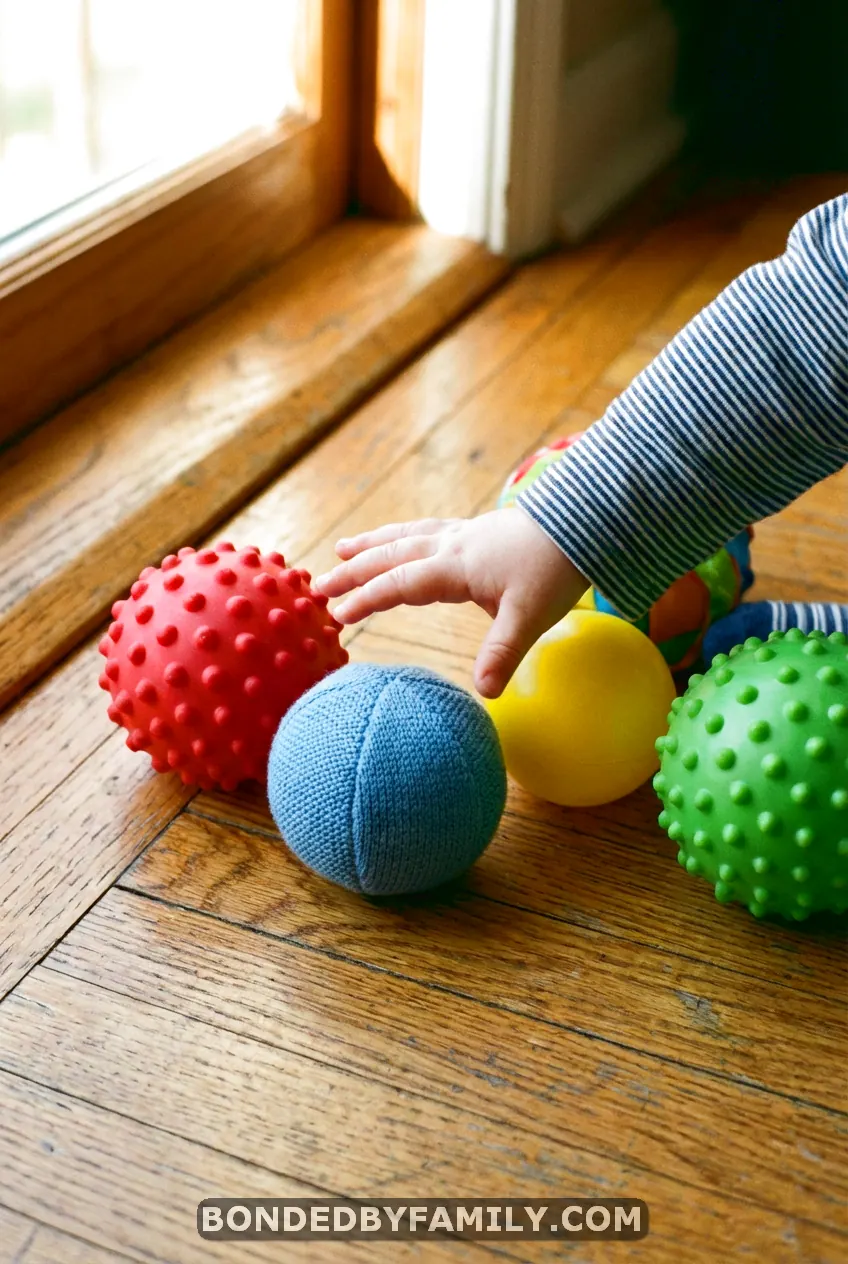
Gather balls of different sizes and textures—bumpy, smooth, soft, firm. Roll them slowly toward your baby and watch them figure out how to grab each one differently.
15. Musical Shaker Bottles
Fill clear plastic bottles with different materials—dried beans, rice, bells, pom poms. Seal them securely. Each one makes a different sound when shaken. My son’s favorite was the one with jingle bells.
16. Tummy Time with Textured Mat
Place different textures under your baby during tummy time—a fuzzy blanket, a smooth yoga mat, a bumpy bath mat. They’re building core strength while exploring with their whole body.
Active Exploration: 6-9 Months
Sitting up opens a whole new world of sensory possibilities.
17. Edible Sensory Bin with Cheerios
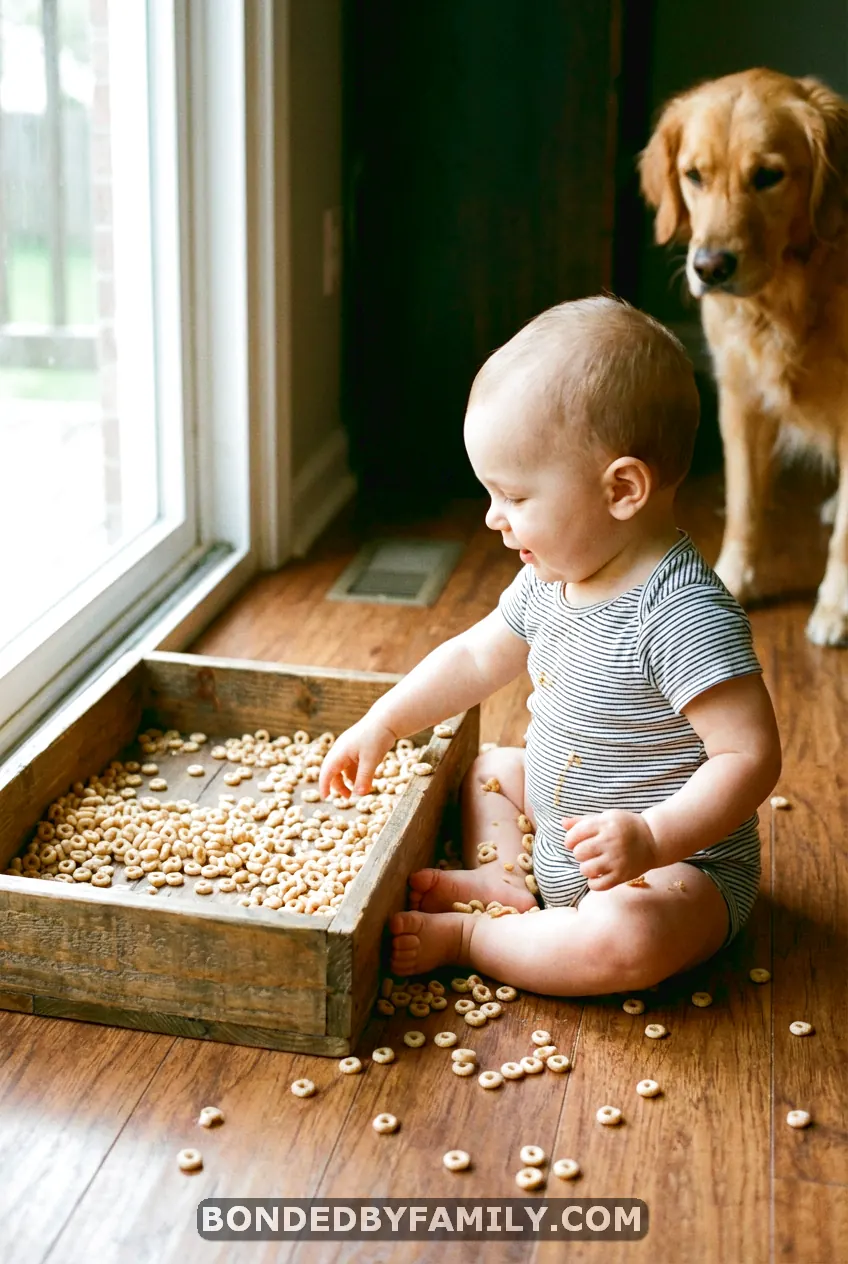
Fill a shallow bin with Cheerios. Let them grab, squish, taste, and scatter them everywhere. It’s fine. That’s what vacuum cleaners are for. The fine motor practice is worth it.
18. Ice Cube Discovery
Give them ice cubes in a silicone baking cup. The cold, the melting, the way it slides around—fascinating. Keep wipes handy.
19. Cooked Pasta Play
Cook pasta (penne, rigatoni, or spaghetti), let it cool, and add it to a tray. The squishy texture is weird and wonderful. Plus it’s taste-safe when they inevitably shove it in their mouth.
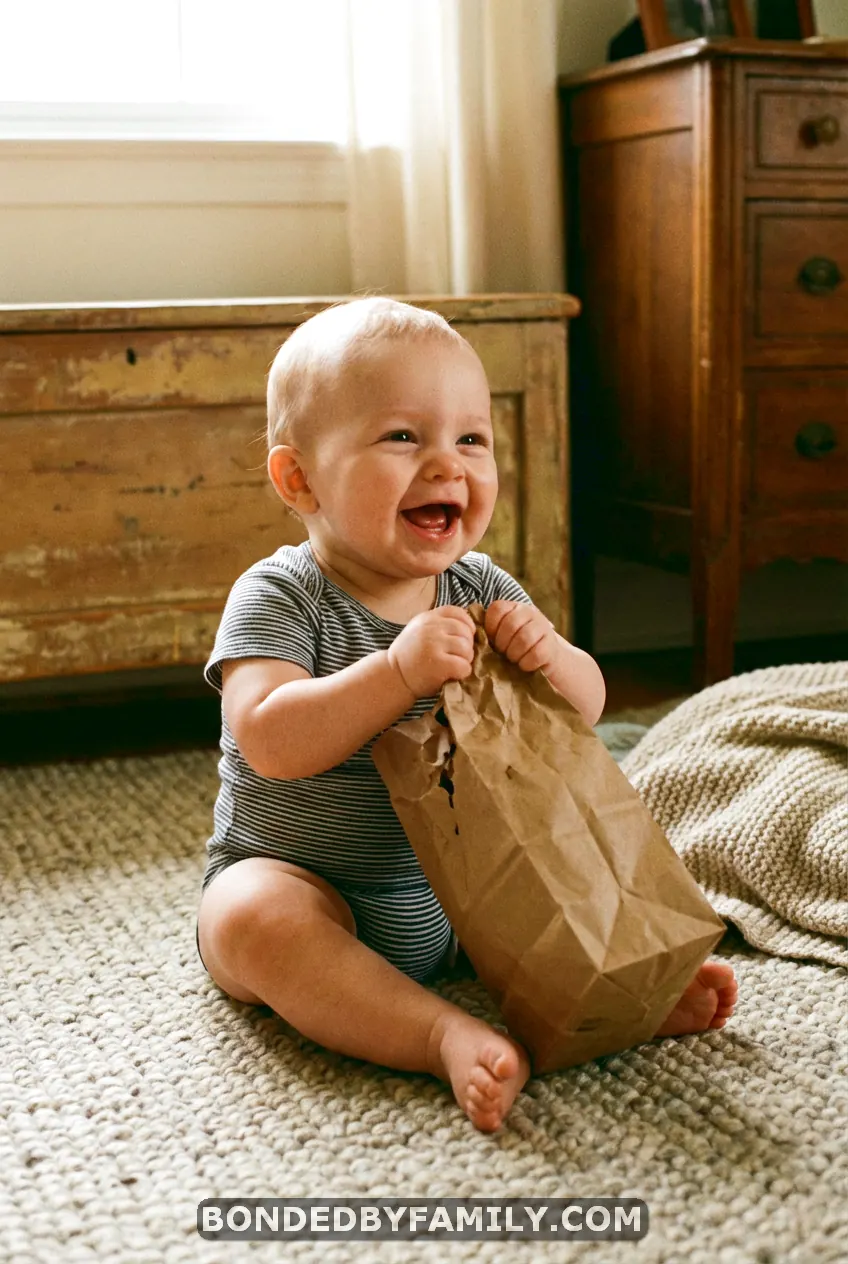
20. Paper Bag Exploration
An empty paper bag is surprisingly entertaining. They can crinkle it, tear it, and hear the sound change as they interact with it. Free entertainment.
21. Sensory Bin with Dried Beans
Fill a large bin with dried beans (supervise closely—choking hazard if mouthed). Bury toys in it and let them dig. The sound, the texture, the discovery—it hits multiple senses at once.
22. Bubble Wrap Stomp Mat
Tape bubble wrap to the floor and let them crawl or scoot across it. The popping sounds and textured surface make them giggle. It’s the simple things.
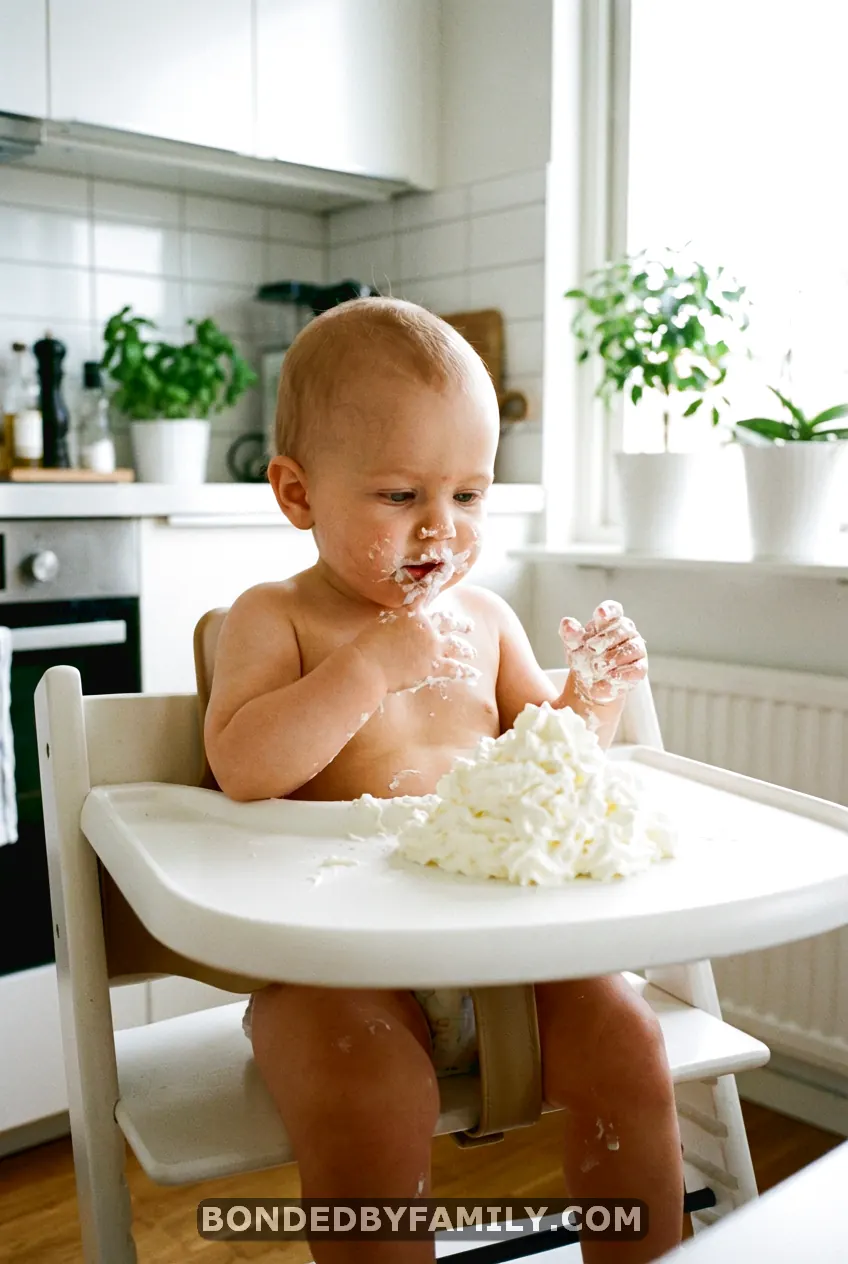
23. Whipped Cream Exploration
Spray whipped cream on their highchair tray. They can squish it, taste it, and create patterns. It washes off easily, and the texture is fascinating for babies who are used to smooth purees.

24. Nature Treasure Basket
Collect safe natural items—pinecones, large leaves, smooth stones, seashells. Let them explore under supervision. Different from plastic toys, different sensations entirely.
Advanced Sensory: 9-12 Months
They’re mobile, curious, and ready for more complex sensory input.
25. Kinetic Sand Safe Play
Use baby-safe kinetic sand (or make it with flour and baby oil). The moldable texture is endlessly interesting. They’ll squish, squeeze, and try to taste it (non-toxic is key).
26. Musical Instrument Basket
Gather real instruments—tambourine, maracas, xylophone, drum. Let them bang, shake, and create noise. Yes, it’s loud. No, it doesn’t last forever.
27. Water Table with Pouring Cups
Set up a small water table or just use a large bin. Add cups, funnels, and measuring spoons. The pouring, the splashing, the cause-and-effect learning—chef’s kiss.
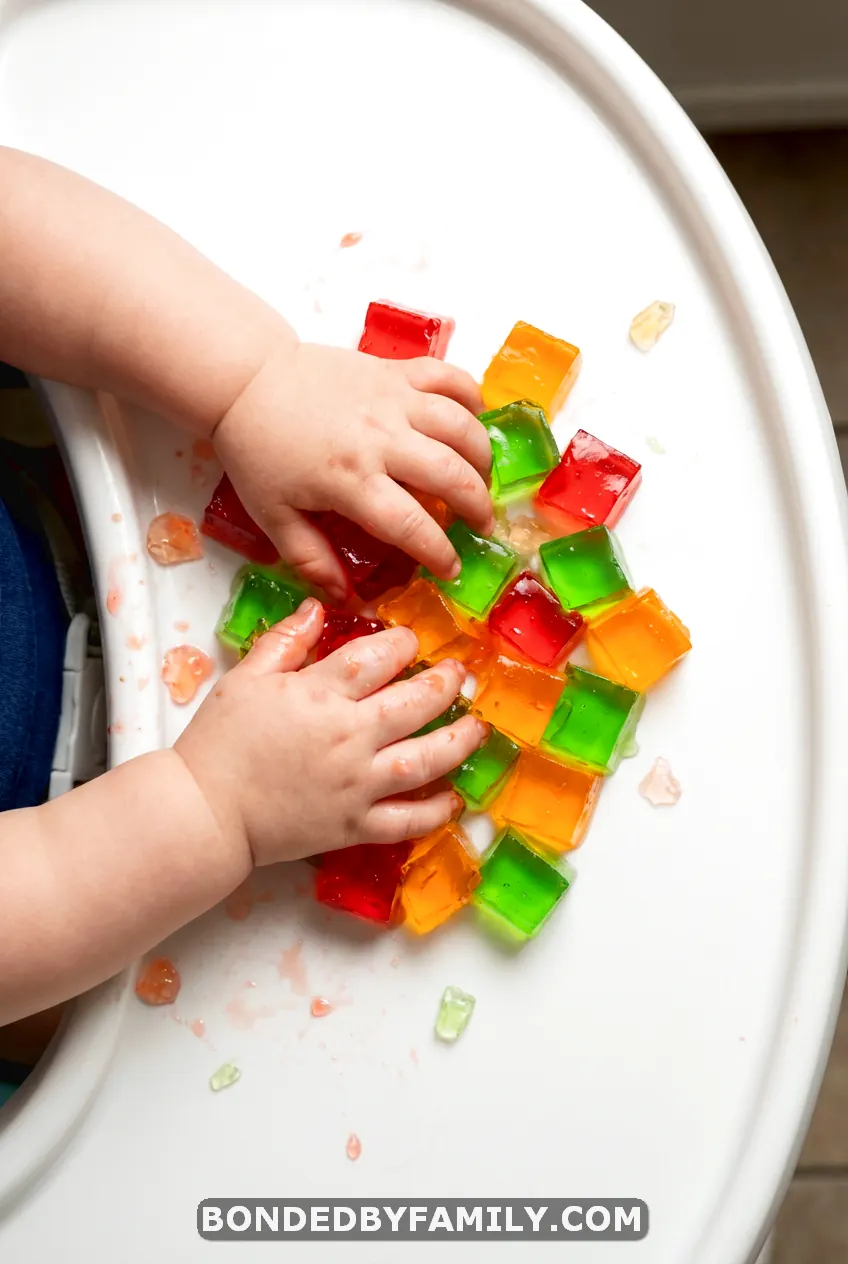
28. Jello Sensory Play
Make firm Jello and cut it into cubes. The jiggly texture is unlike anything else they’ve encountered. It’s taste-safe, breaks apart easily, and keeps them engaged.
29. Foam Sensory Bin
Whip up some foam with dish soap and water in a stand mixer. Add it to a bin with toys hidden inside. They dig, discover, and experience the airy, fluffy texture.
30. Texture Walk Pathway
Create a pathway with different textures taped to the floor – bubble wrap, sandpaper, felt, aluminum foil. Let them crawl or cruise across it barefoot.
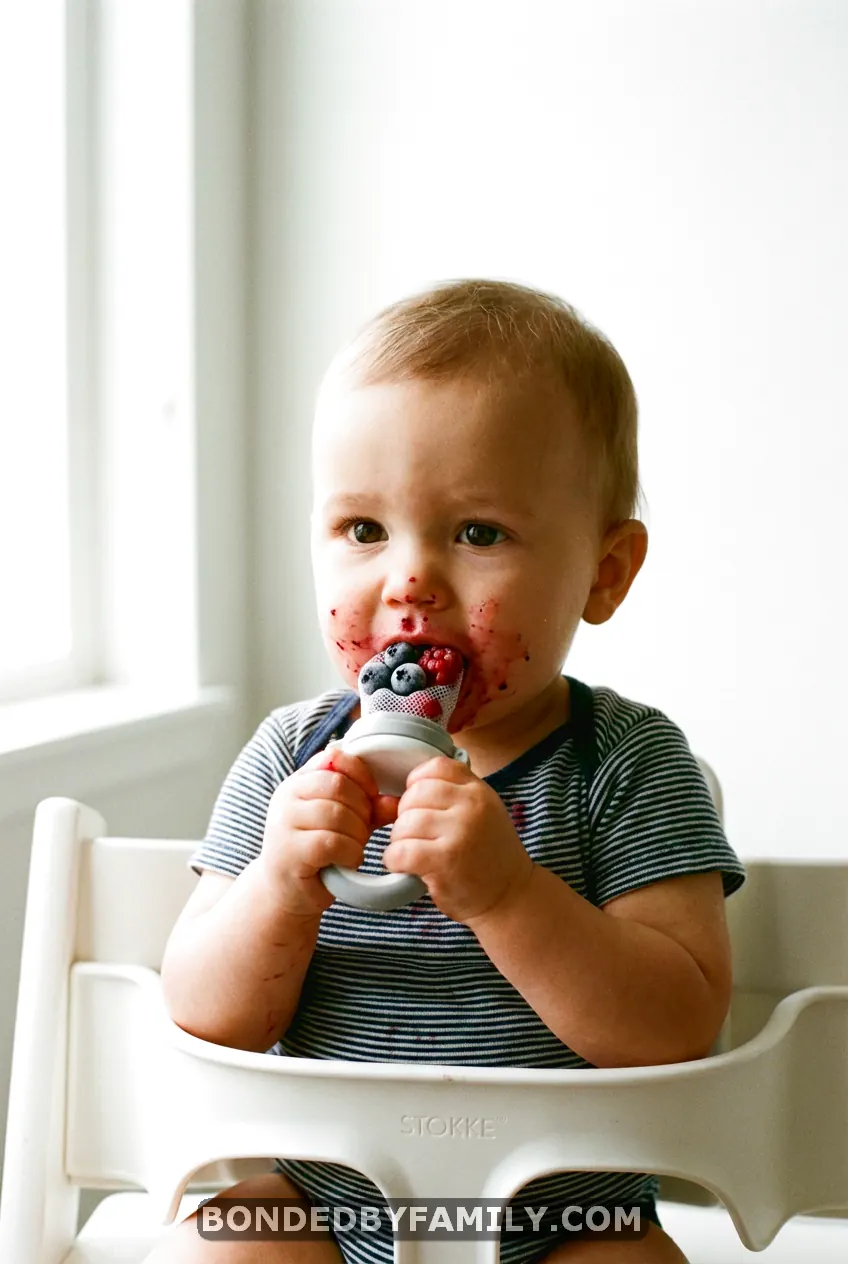
31. Frozen Fruit Exploration
Give them frozen blueberries or mango chunks in a mesh feeder. Cold, flavorful, and a different texture from fresh fruit. Plus it helps with teething.
32. Sticky Wall Art
Tape contact paper sticky-side-out to a wall at baby height. Give them lightweight items to stick on—pom poms, tissue paper, feathers. They stick, peel, and stick again.
What Makes Good Sensory Play?
Here’s what I learned after trying dozens of these with my own kids: the best sensory activities hit multiple senses at once, use safe materials you already own, and don’t require a PhD to set up. Water play gives you touch, sound, and visual input. Edible sensory bins eliminate the “will they choke” panic. Musical instruments combine hearing and movement.
The goal isn’t perfection. Some days, you’ll set up an elaborate sensory bin and your baby will ignore it in favor of the empty cardboard box. On other days, a simple ice cube will keep them mesmerized for 15 minutes. You’re giving their brains opportunities to build neural connections through exploration. That’s what matters.
A few quick safety notes: always supervise sensory play, especially with small objects or water. If something can fit through a toilet paper tube, it’s a choking hazard. Taste-safe doesn’t mean edible meals—it means non-toxic if they mouth it. And if your baby seems overstimulated (crying, turning away, getting fussy), wrap it up. Sensory play should be engaging, not overwhelming.
Start simple. Pick two or three ideas from the age range that fits your baby. You don’t need fancy supplies or perfect lighting for photos. You just need 10 minutes and a willingness to let things get a little messy. Your baby’s brain is building connections with every texture they touch, every sound they hear, and every new thing they explore. You’re doing better than you think.