The cereal bowl hit the floor at 7:12 a.m., milk spreading across tile I’d just mopped, and something in me snapped before my brain even caught up. I heard my own voice – sharp, too loud – telling my six-year-old to “just be more careful, for once.” Her face crumpled. Mine did too, a second later, once the words were already out there, unrecallable.
That morning wrecked me a little. Not because of the milk. Because I realized I’d been parenting on autopilot for months, reacting instead of choosing, and calling it “just how mornings go.” Intentional parenting isn’t about never spilling the milk. It’s about what you do in the sixty seconds after.
Here’s what I’ve learned since that morning, stripped of the vision-board fluff: five small, doable things that shift a household from reactive chaos toward something calmer and more connected. No perfect routines required. No color-coded charts. Just habits you can start today, even if today already went sideways.
What Intentional Parenting Really Means (and What It Doesn’t)
Intentional parenting means you’re operating with a plan and a purpose instead of just responding to whatever the day throws at you. It’s the difference between drifting through bedtime, screen time, and discipline decisions versus deciding – ahead of time, when you’re calm – what actually matters to your family.
It doesn’t mean rigid rules or one “correct” method. A strong-willed toddler and a sensitive nine-year-old need different approaches, even in the same house, with the same values underneath. Intentional parenting flexes. What stays fixed is the purpose behind it: raising a kid who feels safe, seen, and capable, not a kid who simply complies.
And it definitely doesn’t mean perfection. You will lose your temper again. The intentional part is what happens next.
Start With Regulating Yourself First
This is the piece almost nobody puts first, even though it should go first. Kids borrow their nervous system from yours. A calm parent’s body sends a signal – we’re safe – faster than any words can. A dysregulated parent sends the opposite signal, even while saying “calm down.”
Why Your Calm Is Contagious
Researchers call this co-regulation: your child’s heart rate, breathing, and stress hormones actually sync with yours during conflict. That’s not a metaphor. It’s biology. So before you can teach your kid to handle big feelings, your own body has to prove it can be handled first.
The Breath-Before-Words Trick
Try this the next time you feel your jaw tighten: exhale slowly, longer than you inhaled, before you say a single word. It sounds too small to matter. It isn’t. That one extra breath drops your heart rate enough to choose a response instead of firing off a reaction. It buys you maybe three seconds – and three seconds is often the entire gap between a script you’re proud of and one you’ll apologize for later.
1. Respond, Don’t React

Reacting comes from your amygdala and teaches fear. Responding comes from a paused, regulated brain and teaches trust. The script is short: “I need a minute to calm my body so I can help you.” Say it out loud, even to a toddler who won’t fully understand the words yet – the tone is what lands.
Cost reality:
This one costs you nothing but pride. The only price is admitting, out loud, in front of your kid, that you needed a second. That’s a hard trade for a lot of us. It’s also the whole point.
2. Use Positive Phrases That Make Honesty Feel Safe
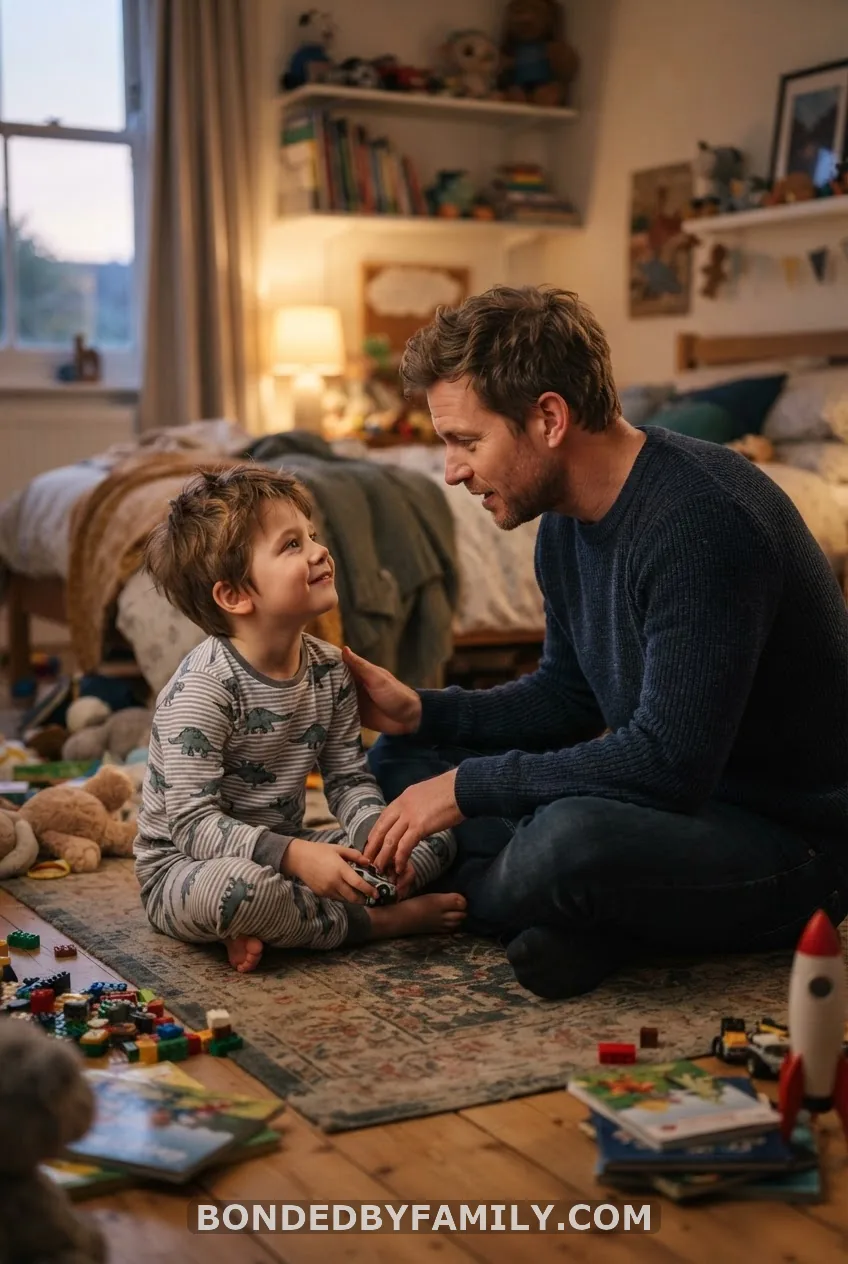
Most kids don’t lie because they’re bad. They lie because honesty feels dangerous. If “What did you do?” is always followed by punishment, a child learns fast: hiding the truth is safer than telling it. Intentional parents rebuild that math from the ground up.
Swap the Interrogation for an Invitation
Instead of “What did you do?” try “Tell me what happened.” That single change removes the accusation baked into the first question. It signals you’re gathering information, not building a case. Kids read that shift instantly, even preschoolers.
Name the Feeling Before You Solve the Problem
“Your feelings are okay” does something specific: it separates the emotion from the behavior. A child can feel furious about losing a game and still learn that hitting a sibling wasn’t okay. Naming the feeling first – “You’re really mad right now” – lowers the emotional temperature enough for the lesson to actually land afterward. Skip this step and you’re teaching logic to a brain that’s still flooded with adrenaline. It won’t stick.
Say “Thank You for Telling Me” – Even When the Truth Stings
This phrase feels backward the first few times you use it. Your kid just admitted to breaking the lamp, and you’re thanking them? Yes. You’re rewarding the honesty, not the broken lamp. Follow it immediately with “Let’s figure out how to fix this together,” which keeps the natural consequence intact without punishing the confession itself.
Common Mistakes to Avoid
Parents often undo this work in one sentence by saying “Thank you for telling me” and then, thirty seconds later, launching into a punishment that feels disproportionate to the honesty they just praised. If the consequence is harsh enough, the lesson your child actually absorbs is: confessing made it worse. Keep consequences related to the actual behavior – a broken toy gets fixed or replaced with allowance money, not with a week of no dessert.
Why This Works
Kids who believe honesty is safer than hiding grow into teenagers who still tell you things. That’s the actual return on investment here. It’s not really about the lamp. It’s about whether your seventeen-year-old calls you first when something goes wrong, instead of calling anyone but you.
3. Apologize and Repair When You Blow It

You will still yell sometimes. Intentional parenting doesn’t erase that – it just insists on the repair afterward. Try: “I’m sorry, I handled that badly. Let’s try again.” Repair teaches your kid two things at once: mistakes don’t end relationships, and forgiving yourself is possible. That’s it. That’s the whole habit.
4. Build Micro-Rituals of Togetherness

I used to think connection required big blocks of time – weekend trips, elaborate craft projects, an hour of undivided attention I rarely had to give. For two years, I skipped the “little things” because they felt too small to count. I was wrong, and it took a fairly humbling moment to see it.
My daughter was seven when she asked, out of nowhere, why we “never do anything together anymore.” We’d just gotten back from a four-day trip to the coast. I was stunned – hurt, honestly – until I realized what she actually meant. The trip was nice, but it wasn’t ours in the daily sense. She wasn’t asking for more vacations. She was asking for the fifteen minutes we used to spend making pancakes together on Saturdays, before life got busier and cereal became the default.
So we started small again. Saturday pancakes came back, batter on the counter and all. We added a nightly hug that lasts a full ten seconds instead of the drive-by kind. We started walking around the block after dinner twice a week, no phones, no destination, just talking. None of it took more than twenty minutes total across the whole day.
Within a month, she stopped asking that question. Not because we’d added anything expensive or elaborate – we hadn’t spent a dollar more than usual – but because the rituals were predictable. She could count on them. That predictability is what makes a child feel secure, more than any single big event ever does.
Budget note:
Micro-rituals cost time, not money. A ten-second hug, a shared breakfast, a screen-free walk – none of it requires a Pinterest board or a special outing. Start with one ritual this week. Adding five new routines at once is how good intentions collapse by day three.
5. Prioritize Connection Before Correction
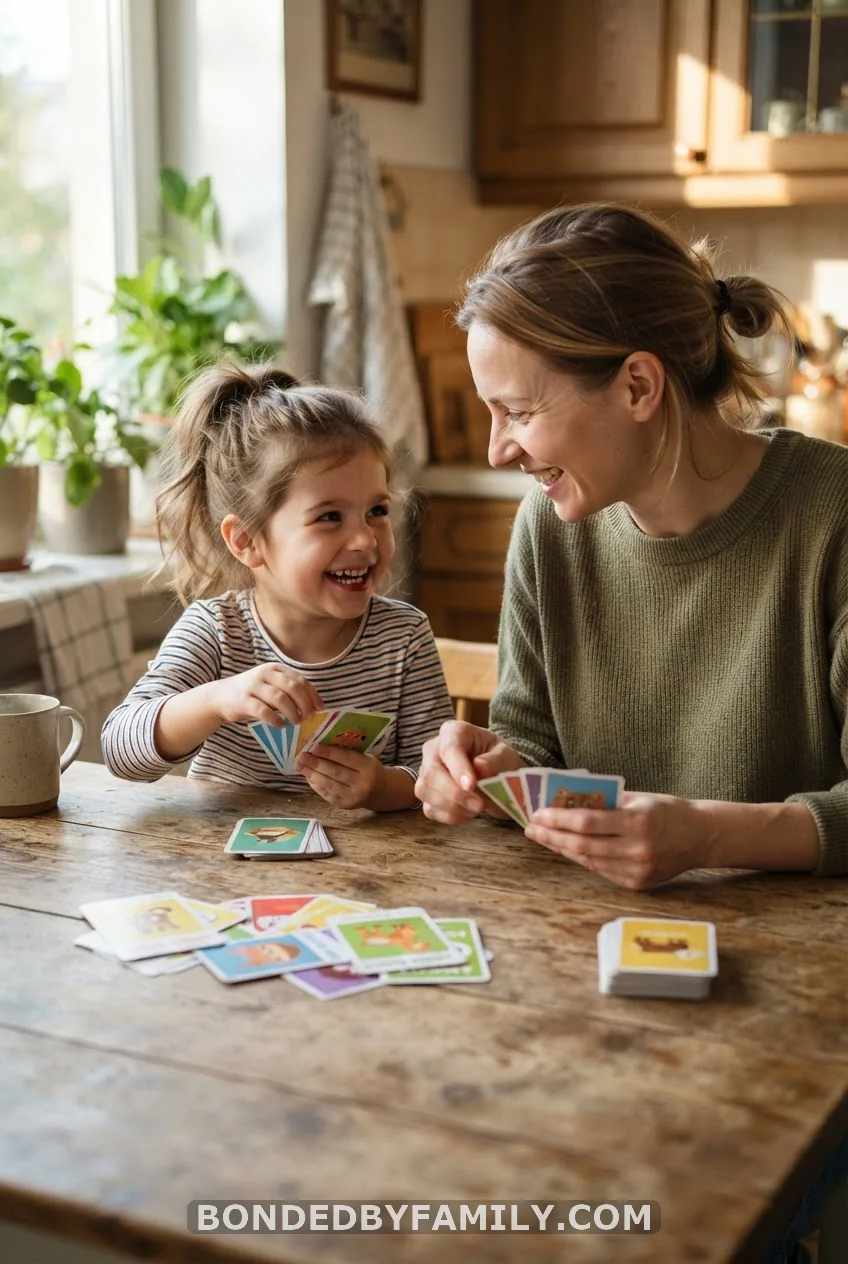
Kids listen better when they feel connected first. Before you correct behavior, spend sixty seconds connecting – a shared joke, eye contact, a hand on the back. It doesn’t need to be long. A car ride counts. Folding laundry side by side counts. Connection isn’t a scheduled event; it’s a habit of noticing your kid before you need something from them.
Model the Values, Keep the Consistency
Kids absorb what you do far more than what you say. If you want a grateful kid, they need to watch you notice good things out loud, regularly, not just during a holiday toast. If you want a resilient kid, replace “you failed” language with “not yet” – for yourself as much as for them. Show them your own fears and how you work through them; that’s a lesson no lecture can replicate.
Consistency matters here more than intensity. One perfect week of intentional parenting, followed by three weeks of autopilot, teaches your kid less than five imperfect minutes practiced daily. Pick one habit from this list. Repeat it for two weeks before adding another. Give yourself the same grace you’re trying to give your child – intentional parenting is a practice, not a performance, and nobody’s grading the version of you that snapped at 7:12 a.m. over spilled milk.
Frequently Asked Questions
What does it mean to be an intentional parent?
It means parenting with a clear sense of purpose and a plan for your family’s values, time, and relationships, rather than reacting to whatever the day throws at you. It’s a mindset shift more than a specific set of rules.
How is intentional parenting different from gentle parenting?
Intentional parenting is a broader approach that’s compatible with many styles, including gentle parenting. It focuses on consciously choosing methods based on your family’s values and your child’s specific needs, instead of following one strict doctrine.
I’m already overwhelmed. Does intentional parenting mean I need to do more?
No – and this is worth repeating because so many parents assume the opposite. Intentional parenting is about adding meaning to what you’re already doing, not adding more activities, more rituals, or more pressure. Pick one small shift and let the rest wait.
What should I do when my child lies to me?
Stop, take a breath, and make honesty feel safer than fear. Try “Thank you for telling me – let’s figure out what happened and solve it together,” then follow through with a consequence that fits the behavior, not the confession.
So, the next time the milk hits the floor – and it will – which one of these five little things will you reach for first?