Your kid’s squirming at homework again. The third time you’ve asked them to focus, and they’re doodling on the margins instead of solving math problems. Sound familiar?
Here’s what most parents don’t realize: that fidgeting isn’t defiance. It’s your kid’s brain literally screaming for movement to wake itself up.
Brain gym exercises—specific physical movements designed to activate both sides of the brain—can transform a distracted kid into a focused one in under 5 minutes. No apps, no worksheets, no nagging required. Just deliberate movement that rewires how their brain processes information.
I’ve watched my own daughter go from “I can’t concentrate” meltdowns to breezing through reading assignments after we started doing these exercises before homework. The difference isn’t magic—it’s neuroscience wrapped in activities kids think are games.
By the end of this guide, you’ll know exactly which exercises work, why they work, and how to make them stick in your daily routine without adding another “mom task” to your already-full plate.
What Brain Gym Actually Is (And Why It Works)
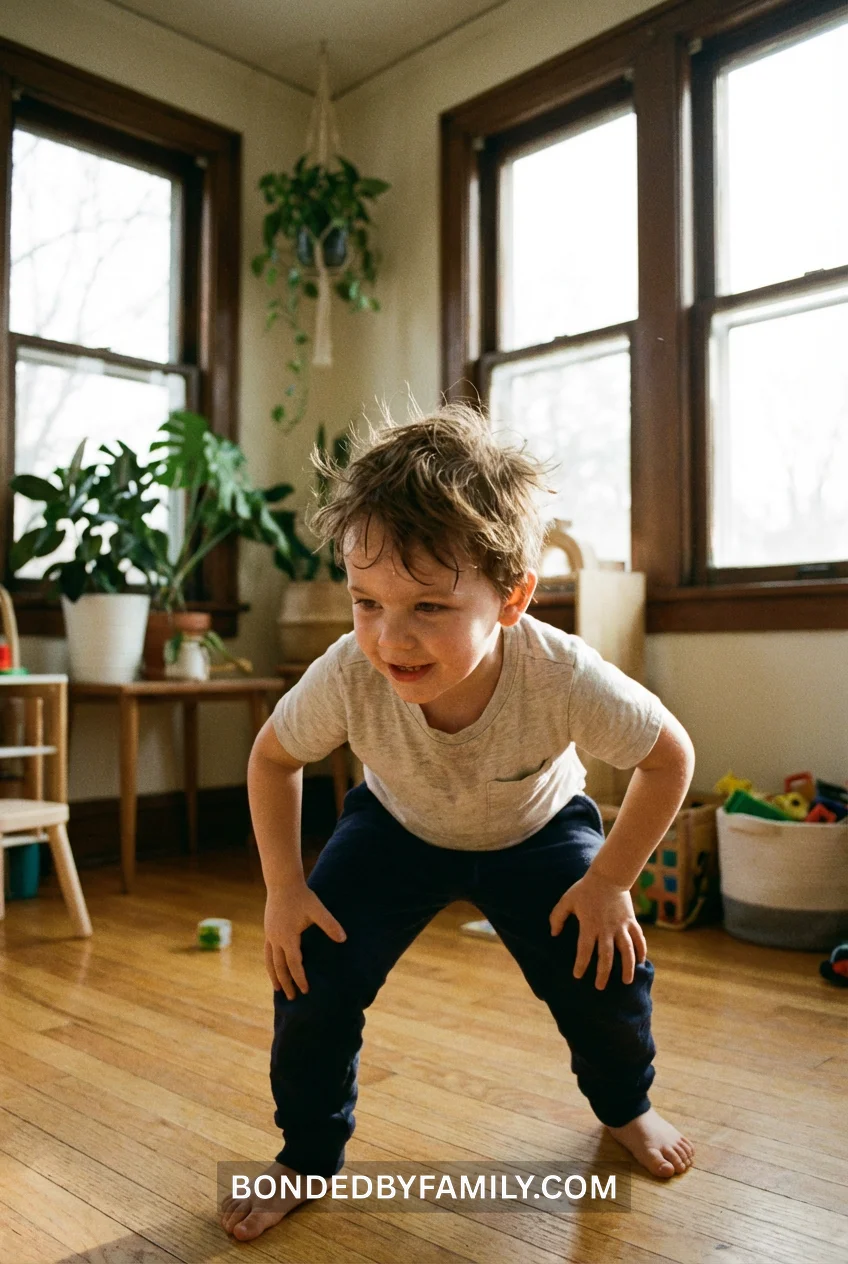
Brain gym isn’t some trendy parenting fad. It’s a collection of movements developed by Dr. Paul Dennison in the 1980s based on the principle that physical movement activates neural pathways. When kids cross the midline of their body (left hand to right knee, for example), they’re forcing both brain hemispheres to communicate.
Think of it like this: your kid’s brain has a left side (logical, sequential) and a right side (creative, spatial). Most school tasks need both sides working together. Reading? Left brain decodes words while right brain visualizes the story. Math word problems? Right brain pictures the scenario, left brain calculates the answer.
The problem? Many kids live in a world that keeps both sides separate. They sit still for hours. They stare at screens that don’t require cross-body coordination. Their brains get lazy about talking to each other.
Brain gym exercises force that conversation to happen. When your kid touches their left elbow to their right knee, neurons fire across the corpus callosum—the bridge between brain hemispheres. Do it regularly, and that bridge gets stronger. Stronger bridge = better focus, easier learning, fewer “I don’t get it” tears.
Research backs this up. A 2019 study in the Journal of Physical Education found that kids who did 10 minutes of cross-lateral movements before class showed 23% improvement in reading comprehension compared to kids who sat still. Another study from Turkey tracked 120 students and found significant gains in attention span after just 8 weeks of daily brain gym.
The catch? You have to do the movements correctly and consistently. Random arm-waving doesn’t cut it.
The 5 Core Brain Gym Exercises Every Parent Should Know
These aren’t all the brain gym exercises that exist, but they’re the ones with the strongest research support and the ones kids will actually do without complaining.
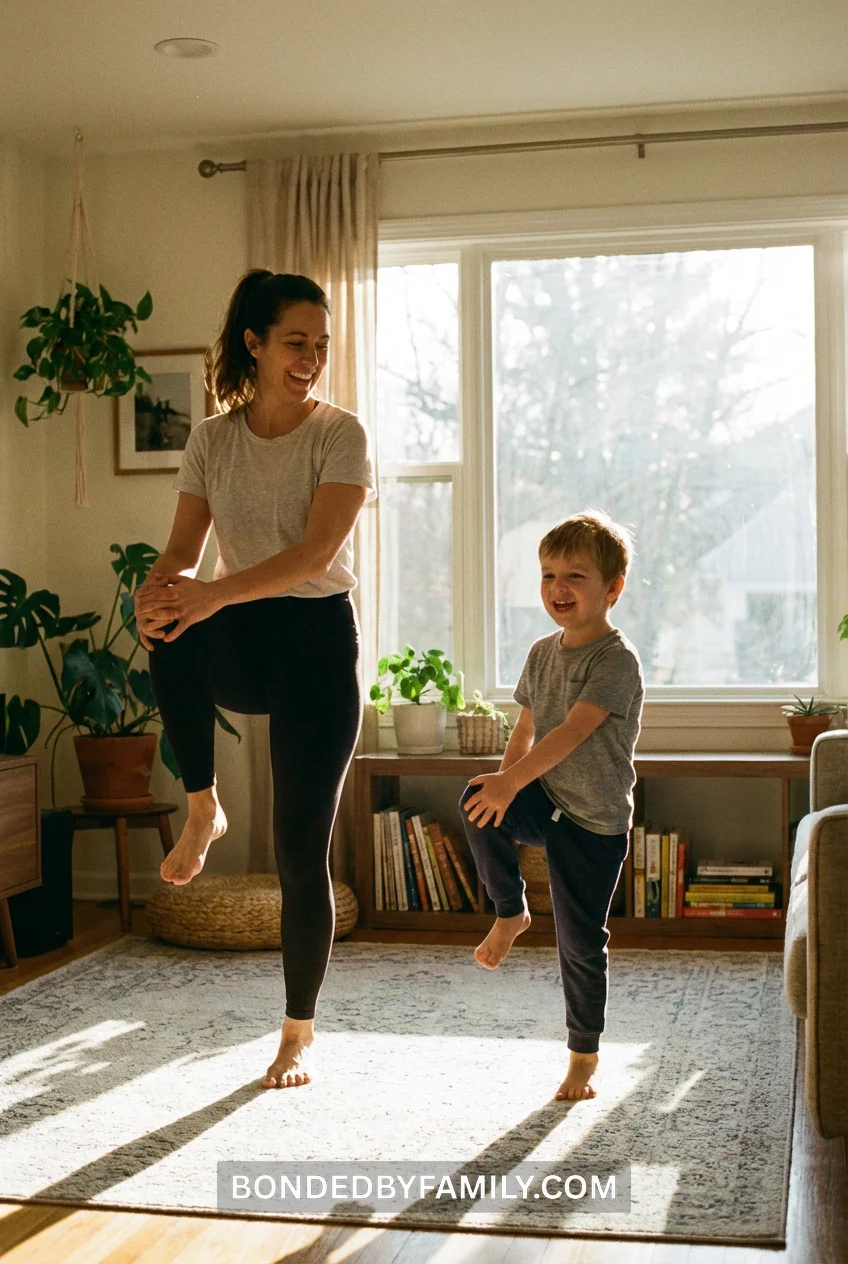
1. Cross-Crawl (The Foundation)
Why it works: Forces both brain hemispheres to fire simultaneously, improving focus and bilateral coordination.
How to do it:
- Stand with feet hip-width apart
- Lift right knee high (aim for waist level)
- Touch right knee with left hand
- Lower and repeat on opposite side (left knee, right hand)
- Continue alternating for 1 minute, moving at a steady rhythm
Pro move: Do this to music with a strong beat (120 BPM works perfectly). Turns it into a game kids love.
Common mistakes parents make: Letting kids barely lift their knees or touch the same-side knee and hand. That’s not cross-lateral. It has to cross the midline to work.
When to use it: Before homework, after screen time, or when you notice your kid zoning out during reading.
2. Lazy 8s (For Reading and Eye Tracking)
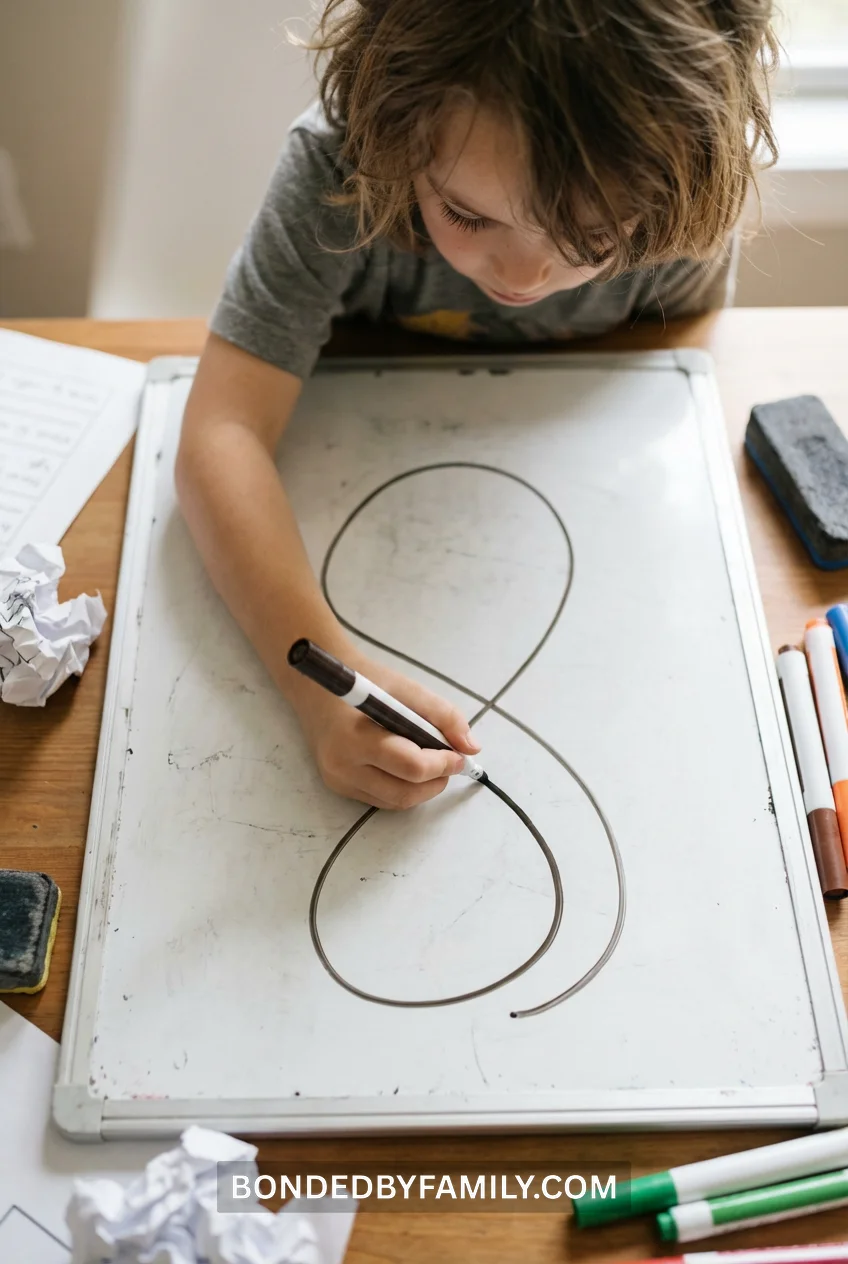
This one looks deceptively simple. It’s not.
Why it works: Strengthens eye muscles for tracking across a page and integrates left-right visual fields. Kids who struggle with reading often have weak eye coordination—their eyes “jump” instead of flowing smoothly across text.
How to do it:
- Stand or sit comfortably
- Extend dominant arm straight ahead, thumb up
- Trace a large horizontal figure-8 in the air (think infinity symbol lying down)
- Keep your head still—only eyes follow the thumb
- Trace 3 times clockwise, then 3 times counter-clockwise
- Switch to non-dominant hand and repeat
What you should see: The movement should be fluid, not jerky. If your kid’s eyes jump or they lose track of their thumb, their eye muscles need this exercise.
Installation note: Some kids resist this because it makes them dizzy at first. Start with smaller movements and build up to wider 8s over a week.
3. Brain Buttons (The Wake-Up Call)
This exercise looks bizarre. It works anyway.
Why it works: Stimulates blood flow to the brain by activating pressure points connected to the carotid arteries. Think of it as hitting the reset button when your kid’s brain fog rolls in.
How to do it:
- Place two fingers of one hand in the soft spots just below the collarbone (about 1 inch from the center)
- Place the other hand flat over the belly button
- Gently rub the collarbone spots in small circles for 30 seconds
- Keep breathing normally
- Switch hands and repeat
Pro tip: Do this before tests, before difficult homework, or first thing in the morning if your kid is a slow-waker.
The catch: The collarbone spots can be tender. Tell kids to press firmly but not painfully.
4. Hook-Ups (For Calming Anxiety and Overwhelm)

This is the brain gym equivalent of a warm hug for the nervous system.
Why it works: Crosses multiple midlines at once (legs, arms, hands) which activates the parasympathetic nervous system—your body’s natural calm-down mechanism. When kids are overwhelmed, their sympathetic system (fight-or-flight) dominates. This exercise literally rewires them back to calm.
How to do it – Part 1 (Active):
- Sit in a chair or cross-legged on the floor
- Cross left ankle over right ankle
- Extend arms straight ahead, cross left wrist over right
- Interlock fingers and pull clasped hands up to chest
- Rest tongue on roof of mouth
- Close eyes and breathe deeply for 1 minute
How to do it – Part 2 (Resting):
- Uncross legs, place feet flat on floor
- Uncross arms, touch fingertips together in a “steeple” shape
- Keep tongue on roof of mouth
- Continue deep breathing for 1 more minute
Cost reality: This takes 2 minutes total. But kids in full meltdown mode won’t cooperate. Teach it when they’re calm so it’s familiar when they need it.
When it’s worth it: Before big events (recitals, games, presentations), during homework frustration, or at bedtime for anxious kids.
5. The Elephant (For Memory and Auditory Processing)
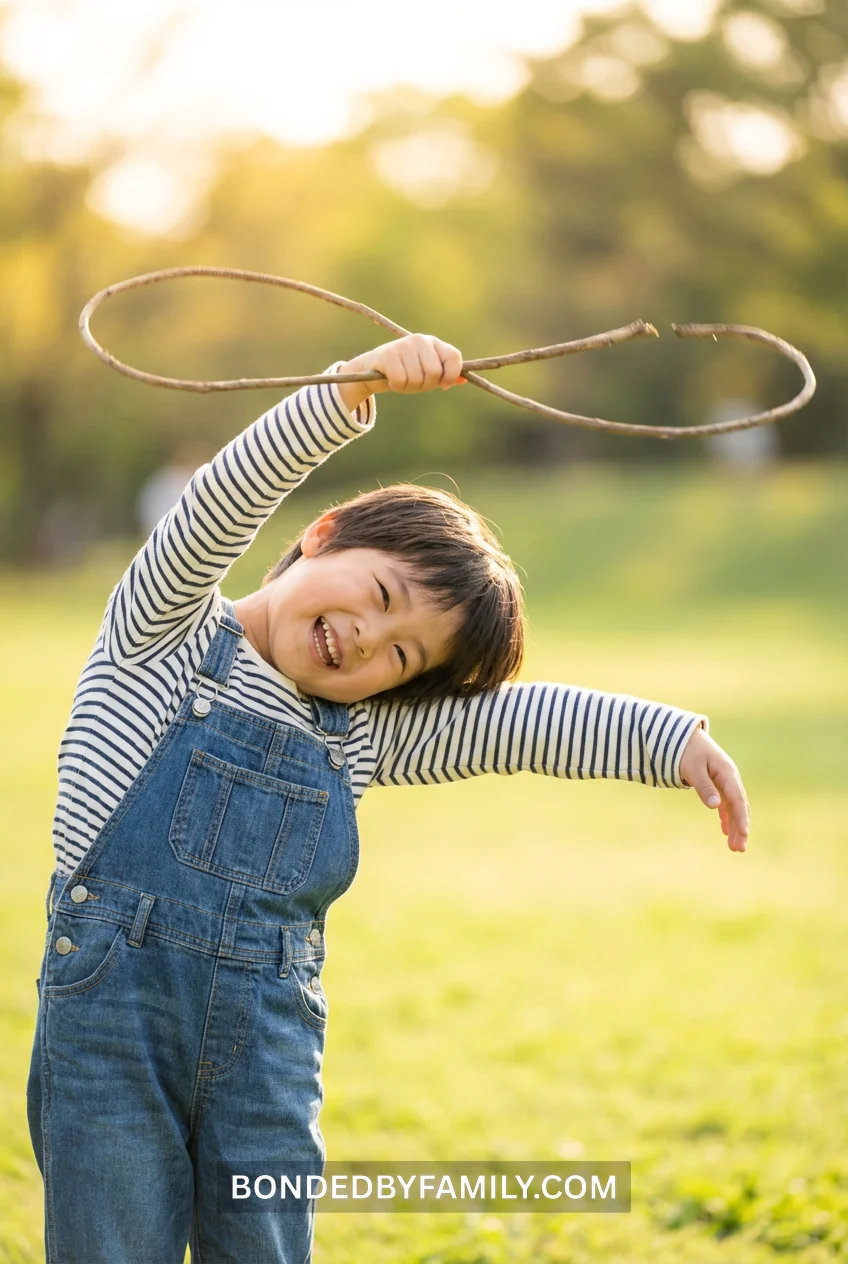
Kids think this one is hilarious because they get to pretend to be elephants. That’s why it works—they’ll actually do it.
Why it works: Combines vestibular stimulation (ear-shoulder contact) with cross-lateral movement, activating the parts of the brain responsible for listening comprehension and auditory memory.
How to do it:
- Choose one arm to be the “trunk”
- Extend that arm straight ahead
- Tilt head until ear rests on the shoulder of the extended arm
- Draw large horizontal figure-8s in the air with the extended arm
- Keep head glued to shoulder—the whole upper body should move together
- Trace 3 times, then switch arms
Pro move: Do this before listening-heavy activities like audiobooks, verbal instructions, or spelling tests.
Common mistakes: Kids try to keep their head upright and just wave their arm. Doesn’t work. The ear HAS to touch the shoulder to activate the vestibular system.
Creating a Brain Gym Routine That Actually Sticks
You know these exercises work now. But knowing and doing are different universes.
Here’s the truth: brain gym only works if you do it consistently, and consistency only happens when it’s stupid-easy to remember.
The 2-Minute Morning Reset (My Go-To Routine):
- Cross-Crawl: 30 seconds
- Lazy 8s: 30 seconds (both hands)
- Brain Buttons: 30 seconds
- Hook-Ups: 30 seconds (just Part 1 when rushed)
Total time: 2 minutes. Do it every morning before breakfast. That’s it.
When to add The Elephant: Save it for homework time or before activities requiring heavy listening (story time, instructions for a game, following multi-step directions).
Making it stick without being the nagging parent:
Set a phone alarm for the same time every day. When the alarm goes off, everyone stops and does the 2-minute routine together. Don’t make it optional. Don’t make it punishment. Just make it part of the morning like brushing teeth.
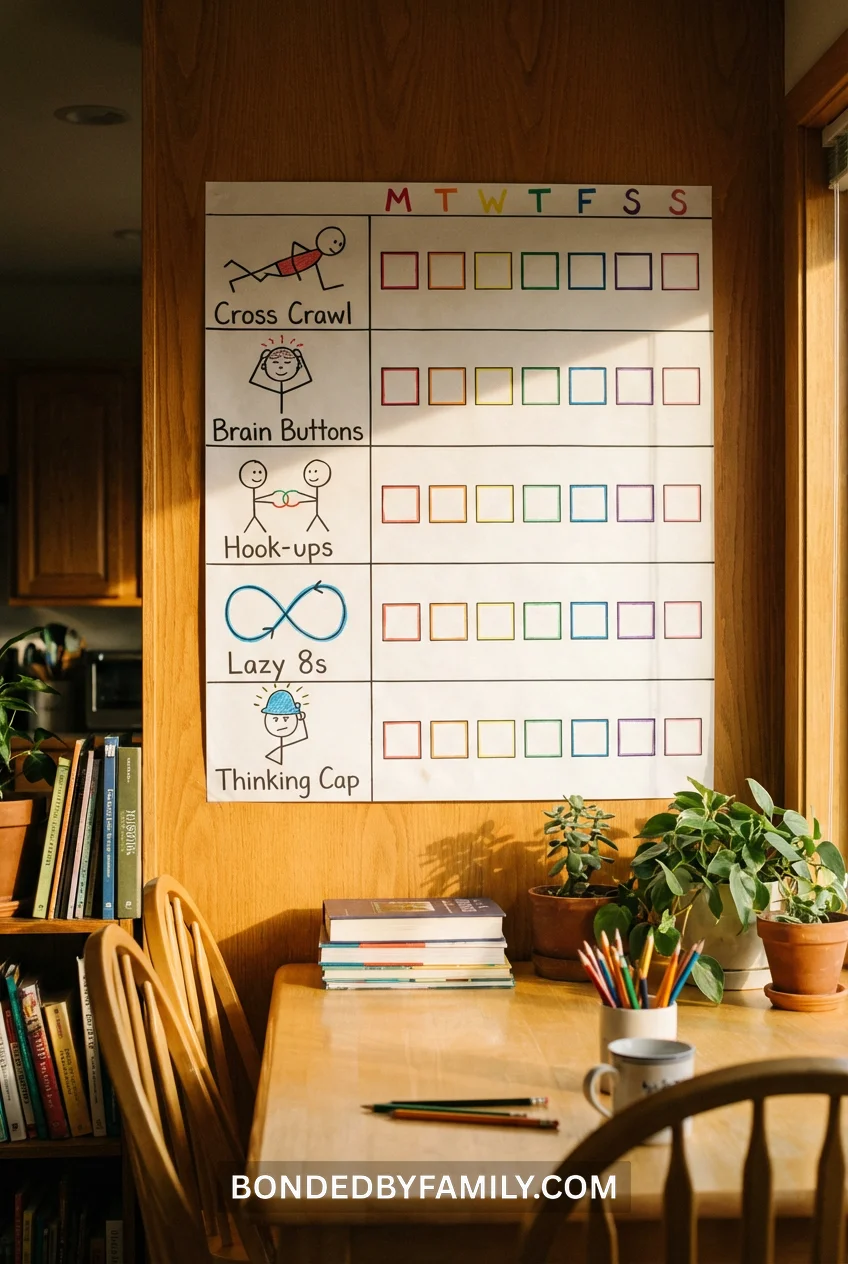
Put a visual chart on the wall showing the exercises. Kids are more likely to do them independently if they can see what comes next without asking you.
Celebrate the streak, not perfection. Miss a day? No guilt spiral. Just start again tomorrow.
Age-Specific Modifications (Because One Size Doesn’t Fit All)
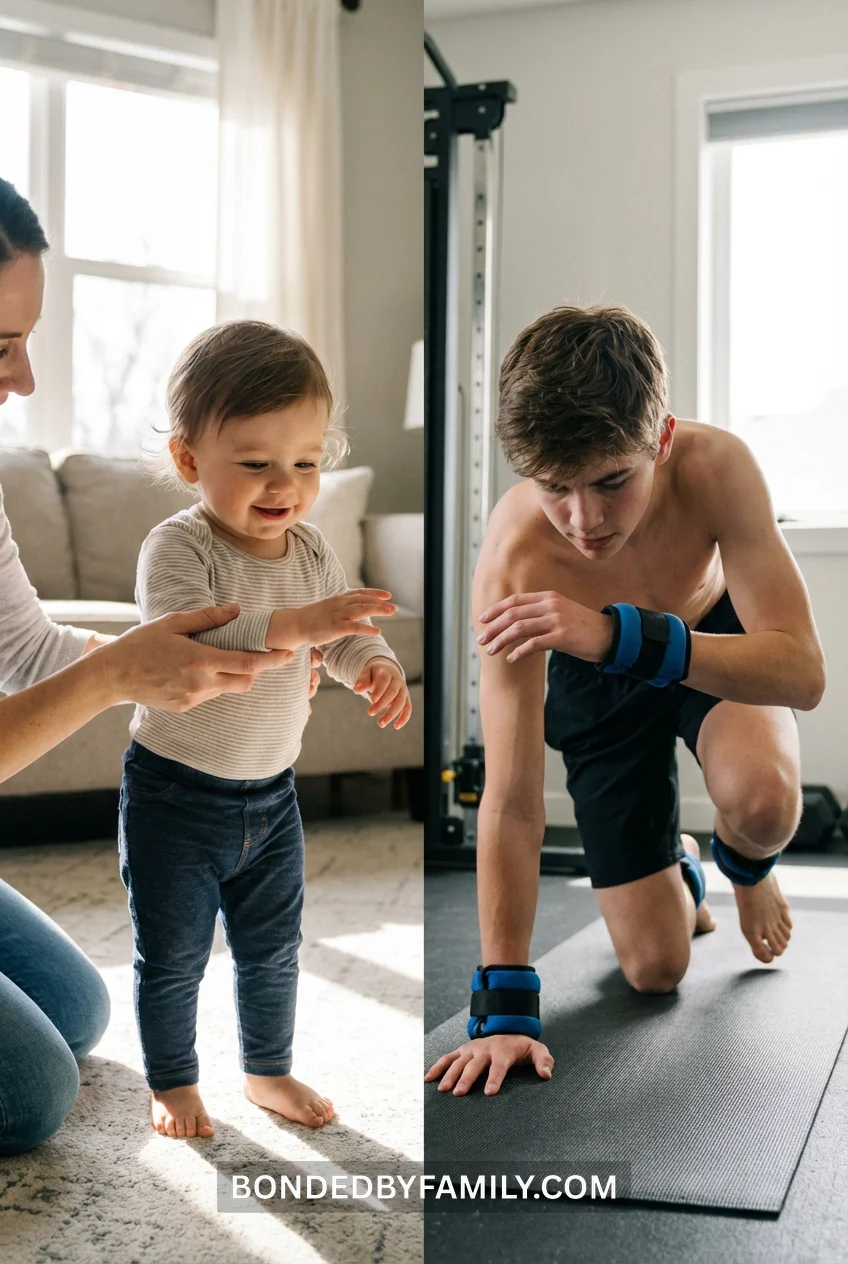
The core exercises work for ages 3-18, but execution changes based on development.
Ages 3-5 (Preschool):
- Do exercises together, not solo. They need modeling.
- Keep it to 30-60 seconds per exercise max. Attention spans are short.
- Make it silly. “Can you march like a robot? Can you make infinity symbols like a wizard?”
- Skip Hook-Ups (too complex). Focus on Cross-Crawl and Brain Buttons.
Ages 6-10 (Elementary):
- This is the sweet spot. They’re coordinated enough to do exercises correctly and young enough to think it’s fun.
- Full routine works great.
- Add challenge by doing Cross-Crawl with eyes closed or on one foot.
- Tie exercises to specific subjects: Lazy 8s before reading, Elephant before spelling tests.
Ages 11-14 (Middle School):
- Expect eye-rolls. Do them anyway.
- Frame it as “athlete training” or “brain performance” instead of “kid exercise.”
- Let them control the playlist for Cross-Crawl timing.
- They’re old enough to do the routine independently after you teach it once.
Ages 15-18 (High School):
- Sell the benefits: better focus for SAT prep, less test anxiety, improved sports performance.
- They’ll resist doing it with you. Teach it, then let them own it.
- Hook-Ups becomes crucial during exam season for anxiety management.
When Brain Gym Isn’t Enough (Real Talk)

Brain gym is powerful. It’s not a cure-all.
If your kid struggles with focus, coordination, or learning despite consistent brain gym practice, something else might be going on. Here’s when to seek professional evaluation:
Red flags that need more than brain gym:
- Can’t do cross-crawl even after 6 weeks of practice (may indicate developmental coordination disorder)
- Extreme resistance to crossing midline (possible retained primitive reflexes)
- Reading difficulties persist despite improved eye tracking (could be dyslexia requiring specialized intervention)
- Anxiety remains high even with daily Hook-Ups (may need counseling or medical evaluation)
Brain gym works alongside, not instead of:
- Occupational therapy for sensory processing issues
- Speech therapy for auditory processing disorders
- Tutoring for specific learning disabilities
- Medical treatment for ADHD (though brain gym can reduce medication needs in some cases—talk to your doctor)
Think of brain gym as the foundation of a house. It makes everything else work better. But if there’s a structural problem with the house, you need more than a good foundation.
The Science Behind Why Parents See Results (Or Don’t)
Most parents see changes within 2-3 weeks of daily practice. But “changes” vary wildly.
What research shows you can expect:
- Improved attention span: 15-30% increase in focus duration (usually noticed week 2-3)
- Better reading fluency: 10-20% faster reading speed with comprehension maintained (usually by week 4-6)
- Reduced anxiety: Noticeable calming effect often within first week of Hook-Ups practice
- Enhanced coordination: Varies widely, but most kids show improvement in 6-8 weeks
Why some parents see zero results:
- Inconsistent practice (doing it “when we remember” doesn’t work)
- Incorrect form (same-side hand-knee touch, minimal knee lift)
- Expecting overnight miracles (neural pathways take weeks to strengthen)
- Using it as punishment instead of routine (“You can’t play until you do brain gym!”)
- Underlying issues that need professional intervention (see previous section)
What actually predicts success:
- Daily practice at the same time (consistency matters more than duration)
- Correct form, even if that means slower movements
- Whole-family participation (kids do what they see, not what they’re told)
- Patience with the process (celebrate small wins)
Your Next 48 Hours: The Brain Gym Kickstart Plan
You’ve read this far. That means you’re serious about trying this. Here’s exactly what to do in the next 48 hours to make it stick:
Today (next 30 minutes):
- Watch your kid do one Cross-Crawl to check their current coordination level
- Teach them proper form (opposite hand to opposite knee, high knee lift)
- Do it together for 30 seconds
- Set a daily phone alarm for tomorrow morning
Tomorrow morning:
- When alarm goes off, do the 2-Minute Morning Reset together
- Don’t explain why, don’t ask if they want to, just do it
- Mark day 1 on a calendar or chart
Tomorrow afternoon:
- Before homework, do Lazy 8s and Brain Buttons
- Notice if focus improves (don’t expect miracles, just notice)
Days 3-7:
- Repeat morning routine every single day
- Add before-homework exercises when needed
- Track streak on visible chart
Week 2:
- Routine should feel automatic by now
- Start noticing patterns: which exercises help most for which activities
- Adjust timing if needed (some kids need it before dinner instead of breakfast)
By week 3:
- You should see measurable focus improvements
- Kids should be able to do exercises independently with minimal prompting
- You’ll know if this is working for your family or if you need additional support
The difference between parents who see results and parents who give up? The first 72 hours. Make it through those three days without excuses, and you’ll make it to three weeks. Make it to three weeks, and you’ll never go back.
Your kid’s brain is waiting to be activated. Two minutes a day stands between frustrated homework battles and a kid who can actually focus.
FAQ
How long does it take to see results from brain gym exercises?
Most parents notice initial changes within 2-3 weeks of daily practice. Focus improvements typically appear first (around day 10-15), followed by reading fluency gains (weeks 4-6) and coordination improvements (6-8 weeks). The key is consistency—daily practice at the same time yields better results than sporadic longer sessions.
Can brain gym exercises help kids with ADHD?
Research shows brain gym can reduce ADHD symptoms in some children, but it’s not a replacement for medical treatment. A 2018 study found 30% reduction in hyperactivity and 25% improvement in attention among kids doing daily brain gym alongside their prescribed interventions. Always consult your child’s doctor before changing any ADHD treatment plan.
What’s the best time of day to do Brain Gym with kids?
Morning before school or homeschool works best for most families because it primes the brain for learning all day. However, the “best” time is whatever time you’ll actually do it consistently. Some families prefer before homework (around 3-4pm) or even before bedtime for anxious kids who struggle to settle down.
Do brain gym exercises work for teenagers or just young kids?
Brain gym works for all ages, though teenagers often resist the “kiddie” framing. Reframe exercises as “cognitive performance training” or “focus optimization” for older kids. High schoolers especially benefit from Hook-Ups during exam season for anxiety management and Cross-Crawl before SAT/ACT prep for improved concentration.
How do I know if my child is doing the exercises correctly?
Watch for these form indicators: Cross-Crawl requires opposite hand touching opposite knee (not same-side) with knees lifted to waist height. Lazy 8s should show smooth, continuous eye tracking without head movement. Hook-Ups must include crossed ankles AND crossed wrists simultaneously. If your child struggles with correct form after 2 weeks of practice, consider an occupational therapy evaluation to rule out underlying coordination issues.