You walk outside, set your toddler down on the grass, and within ninety seconds, they want to come back in. Sound familiar? I have lived that loop more times than I can count. The fresh air is right there. The energy is right there. And somehow the whole thing fizzles before you have even sat down with your coffee.
Good outdoor activities for toddlers fix that. Not elaborate setups. Not Pinterest projects that take you an hour to build and your toddler thirty seconds to abandon. I mean the small, repeatable things that hold a one, two, or three-year-old long enough that you get to breathe.
I have a wild, mud-loving toddler and a yard that has seen everything. Below are the 13 ideas that earn their keep in our house. For each one, I tell you what it costs, how long it really holds a toddler, and where the safety traps hide. Read to the end, and you will have a rotation you can pull from on any half-decent day, plus the one activity that bought me a full, uninterrupted half hour the first time we tried it.
Let’s go.
1. Set Up a Water Pouring Station
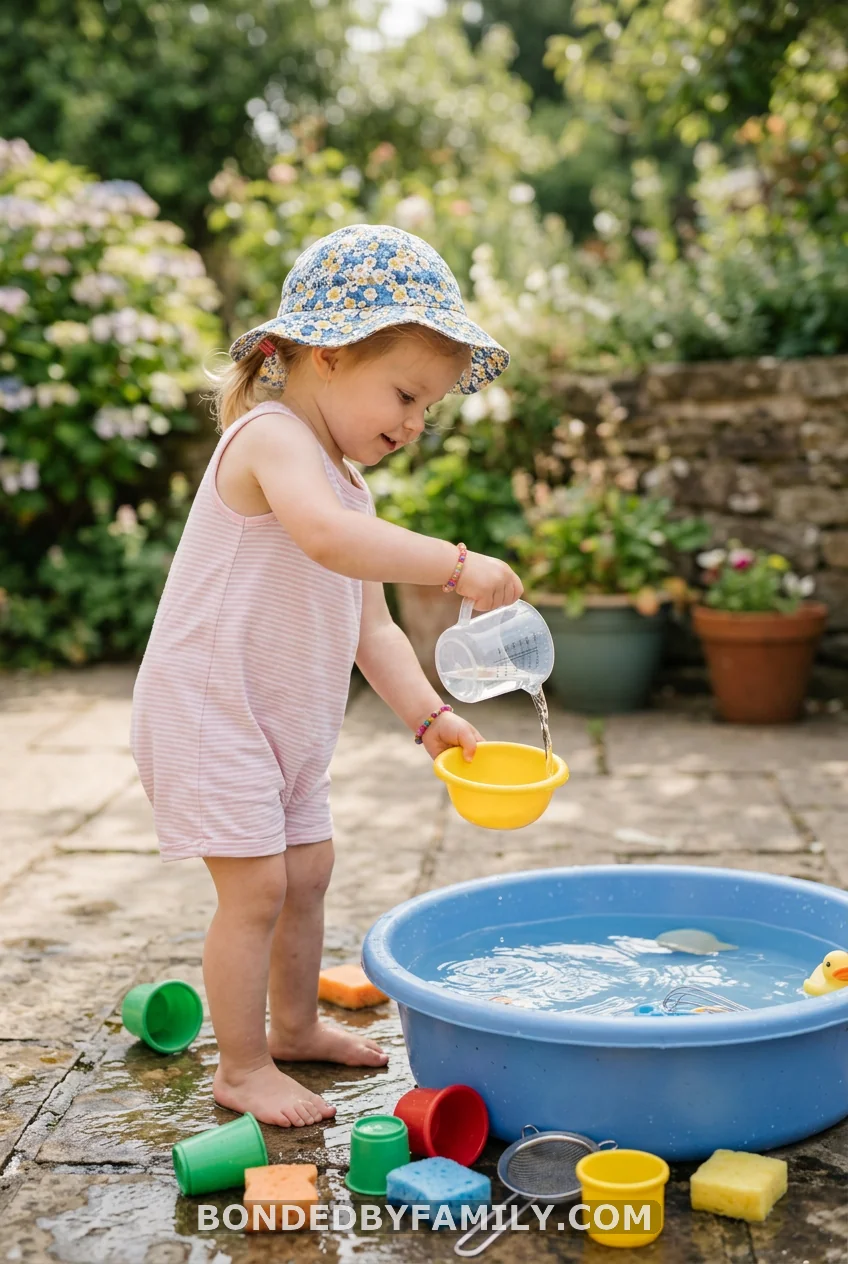
This is the one. If you read nothing else, read this. A water pouring station is the single activity that has held my toddler longest, costs almost nothing, and resets in two minutes. It is the proven heavyweight of the toddler-play world for a reason, and I want to give it the full treatment.
Why It Works
Toddlers are wired to transfer things. Watch a one-year-old at a sink, and you will see it: scoop, pour, spill, repeat, delight. Pouring water hits three developing systems at once. It builds hand-eye coordination, it strengthens the small muscles in the wrist and fingers, and it teaches early cause and effect. A toddler pouring water is not killing time. They are doing real developmental work that happens to look like splashing.
What You Need and What It Costs
You almost certainly own most of this already.
- One large shallow tub or under-bed storage bin. A clear one runs about $8 to $12 at any discount store. A dishpan works too.
- Two or three small cups, a measuring cup, and a funnel. Free from your kitchen.
- A sponge or two. About $1.
- Optional: a turkey baster or a small watering can, roughly $3 to $5, which adds a whole new skill.
Total spend if you buy everything fresh: under $15. If you raid your own cupboards: zero.
Step by Step
- Set the tub on a flat patch of patio, deck, or grass. Grass is the most forgiving for spills.
- Fill it about a third full with plain water. Warm water on a cool morning, cool water on a hot day.
- Drop in the cups, the measuring cup, and the funnel.
- Hand your toddler one cup to start. One. Too many tools at once overwhelm them.
- Show them once. Scoop, lift, pour. Then step back and let them lead.
- When the water gets low or grey, tip it onto a thirsty plant and refill.
Pro Move
Add a drop of baby-safe bubble bath and a few rubber toys, and the pouring station becomes a toy wash. My toddler scrubbed his plastic dinosaurs for forty minutes once. I sat down. I drank a hot drink. It was a small miracle.
Common Mistakes to Avoid
The biggest one is too much water. A deep tub turns a calm activity into a soaking, and it raises the safety stakes for no reason. Keep it shallow. The second mistake is walking away. Toddlers can drown in very little water, and it happens fast and silently, so you stay within arm’s reach the whole time, every time. The third is handing over ten tools at once. Start with one and add more only when interest dips.
Independent Play You Can Expect
Fifteen to thirty minutes for most toddlers, longer if you rotate the tools. This is your reliable workhorse.
2. Draw With Sidewalk Chalk
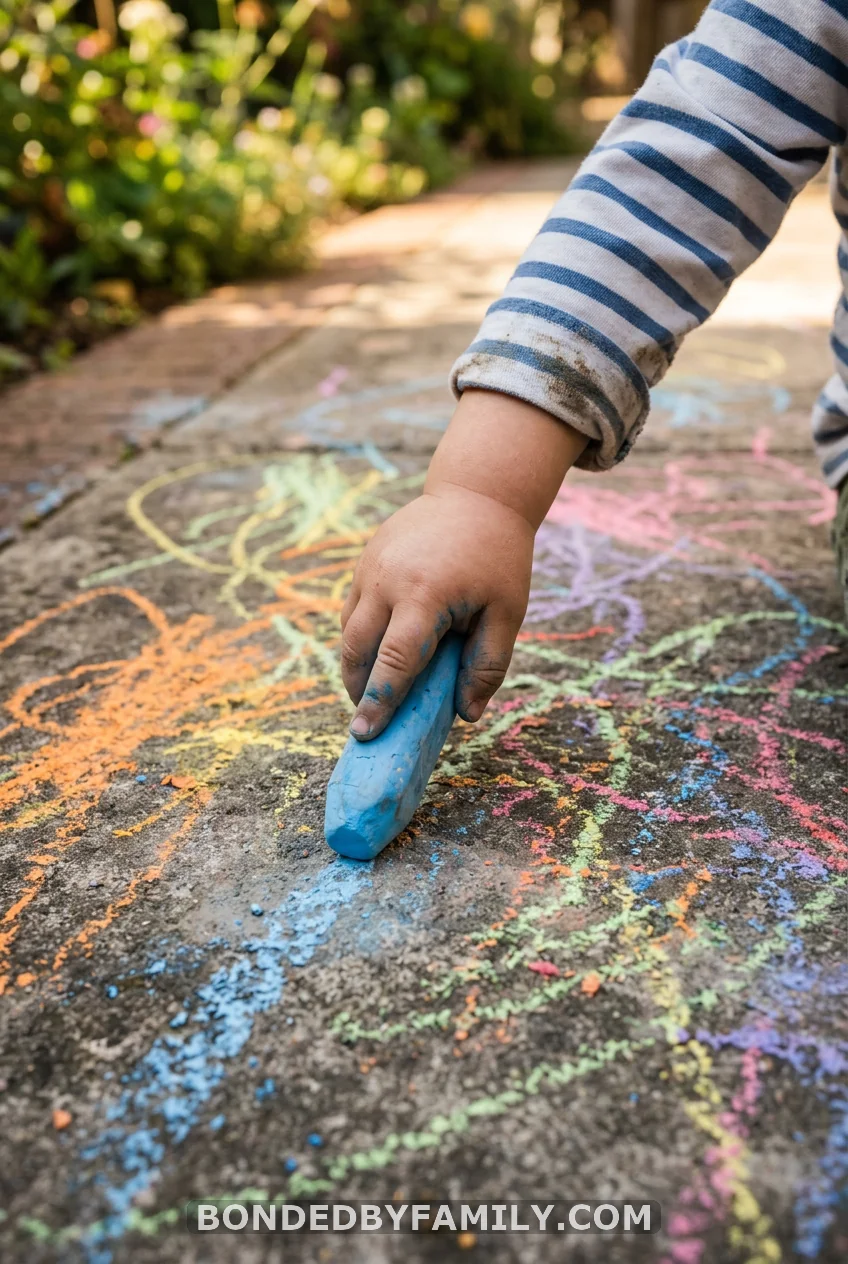
Chunky chalk, a patio, done. Toddlers do not draw pictures yet, and that is fine. They make marks, and marks are the whole point. Let them color the fence, the stones, even their own riding toys. Hand them a spray bottle of water to wash it all away after, and you have just doubled the activity for free around $4 a bucket.
3. Fill a Sandbox or Sand Bin
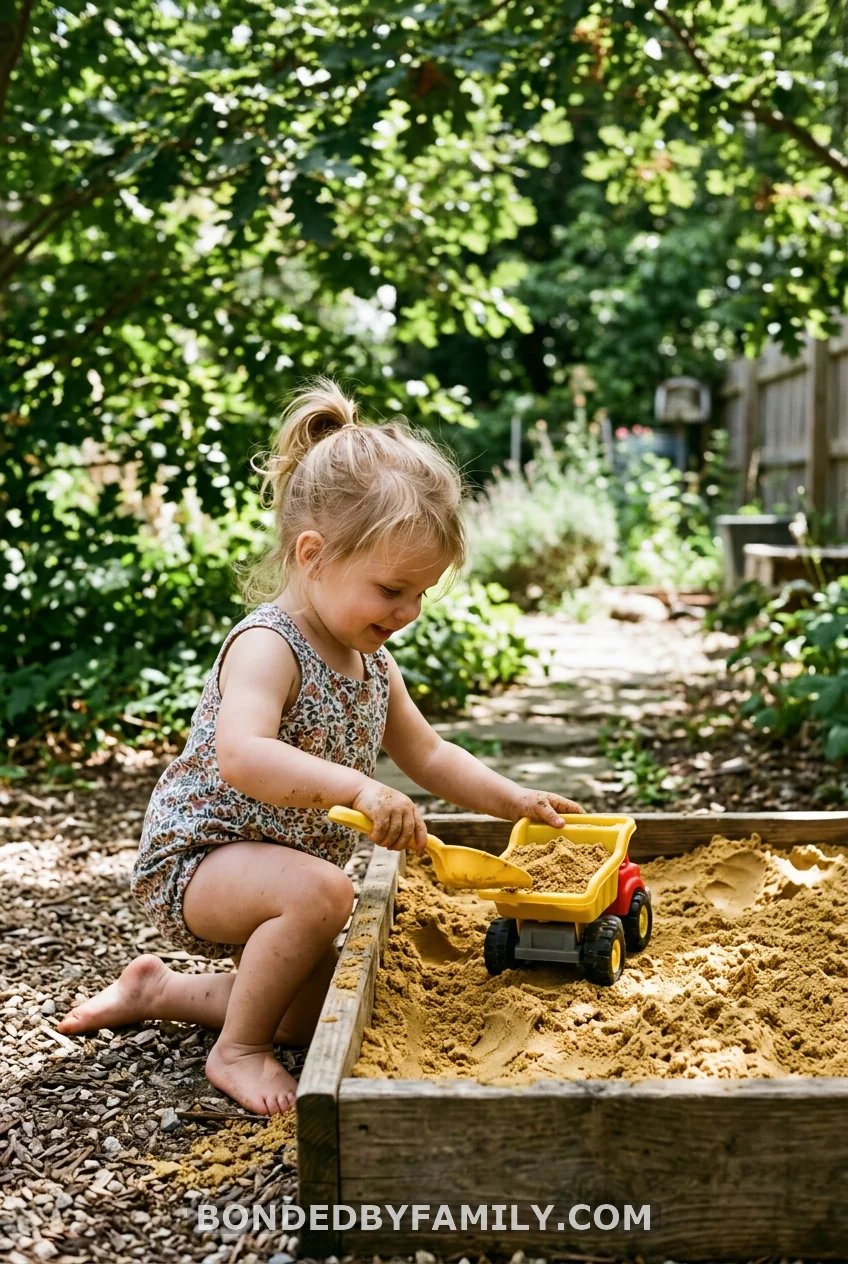
No sandbox? An under-bed storage tub with a lid solves it. Pour in play sand, drop in scoops, cups, and a small dump truck, and let them dig. Sand offers the same scoop-and-pour pull as water with zero spill risk, which makes it a great option on days you do not feel like managing wet clothes.
A few things matter here. Use proper play sand, not builder’s sand, which can contain fine silica dust that you do not want a toddler breathing. A 50-pound bag of play sand costs about $10. Cover the bin when you are done so neighborhood cats stay out. And expect sand everywhere, because there will be sand everywhere. That is the deal you sign.
Independent play runs twenty to forty minutes, and it climbs higher once they start “cooking” or burying toys.
4. Blow Bubbles
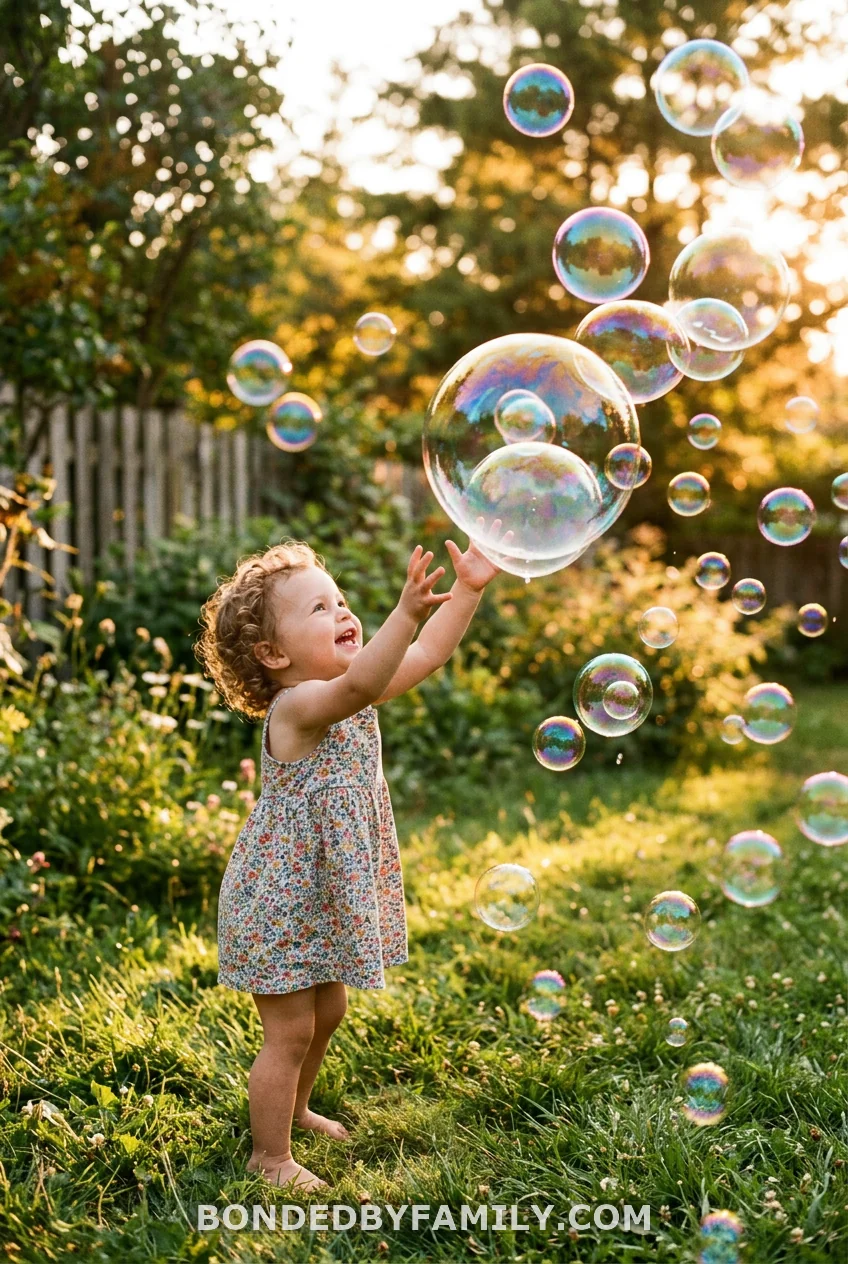
Pure joy, near-zero effort. You blow, they chase. Bubbles teach toddlers to track moving objects and burn a surprising amount of energy. A bubble machine, around $15, frees up your hands and your lungs. The catch: bubble solution is slippery on hard surfaces, so keep the chasing on grass.
5. Build a Mud Kitchen
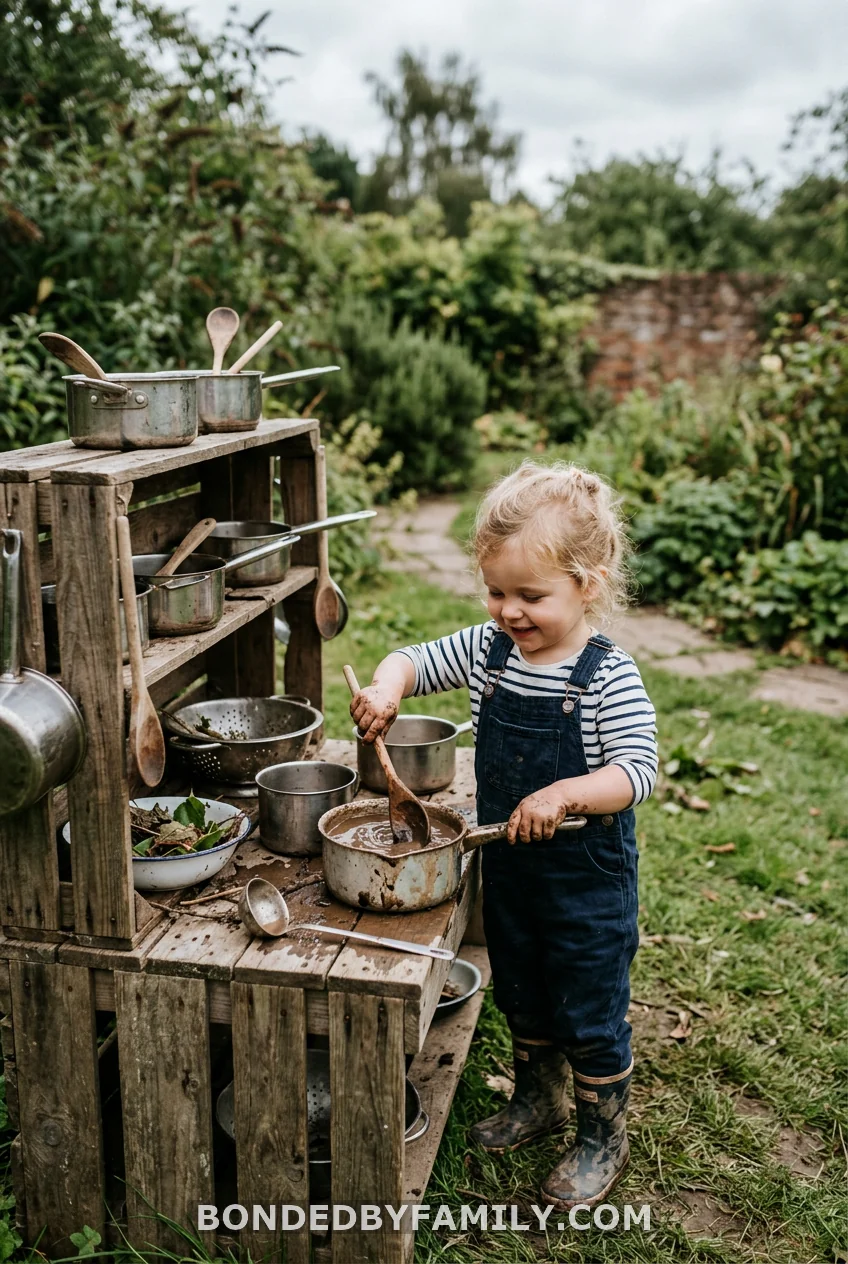
Some of the best play is the messiest, and a mud kitchen leans all the way in. Set up an old table or upturned crate with a few thrifted pots, pans, spoons, and bowls. Add a bucket of dirt and a jug of water nearby. Your toddler becomes a chef.
Mud play sounds like a parenting headache, and yes, you will hose someone down after. But the payoff is real. Squishing mud is deeply satisfying sensory input, the kind that calms an over-tired toddler better than almost anything indoors. It also invites hours of pretend play once they start “serving” you soup.
Keep the metal tools lightweight so a dropped pot does not land on small toes. Dress them in clothes you have written off. Then let them get filthy. Costs you nothing but a load of laundry.
6. Go on a Color Scavenger Hunt
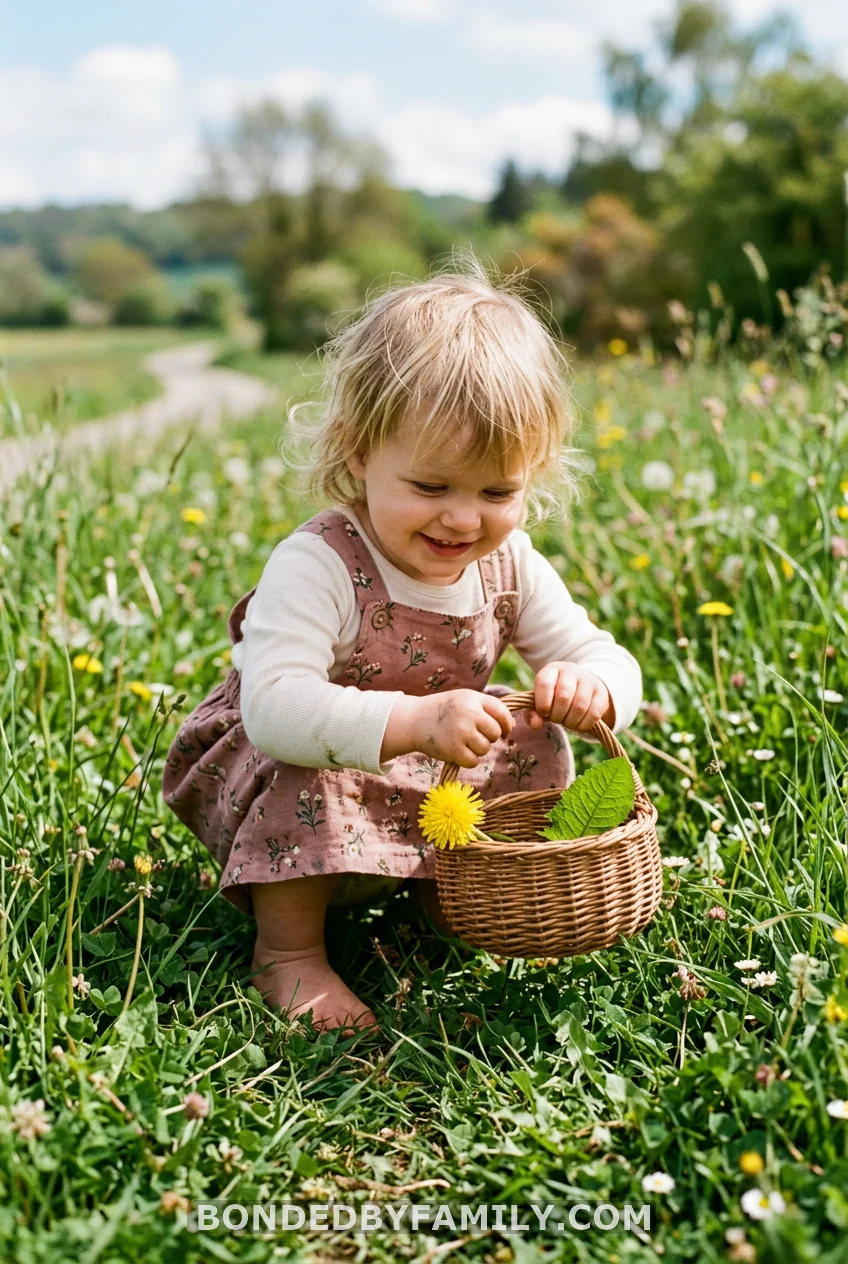
Forget the printable checklists made for older kids. For a toddler, a scavenger hunt is simpler and better as a color hunt. Pick one color and search together. “Can you find something green?” Then talk about each find. This builds vocabulary and observation skills, and toddlers love the thrill of the search.
Hand them a small bucket or basket to collect treasures. One real caution: toddlers put things in their mouths, so skip anything small enough to choke on, and steer them away from berries and unknown plants entirely. Stick to leaves, big rocks, and flowers you know. Free, and it doubles as a calming wind-down walk.
7. Run a Toddler Car Wash
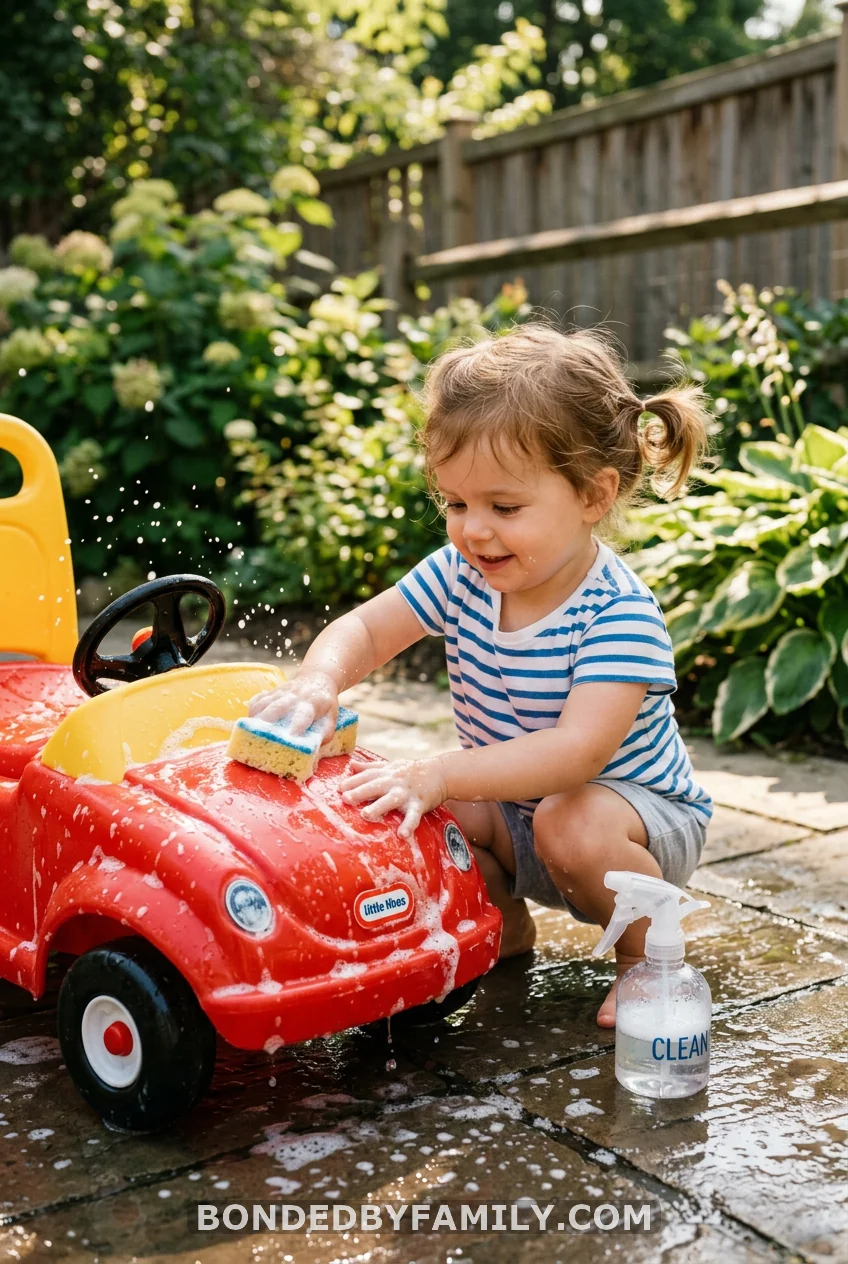
Give them a sponge, a spray bottle of soapy water, and their ride-on toys. Toddlers adore doing “real” grown-up jobs, and a car wash is exactly that. The spray bottle alone keeps small hands busy and builds grip strength. Nearly free, and it cools them off on a warm day.
8. Water the Garden
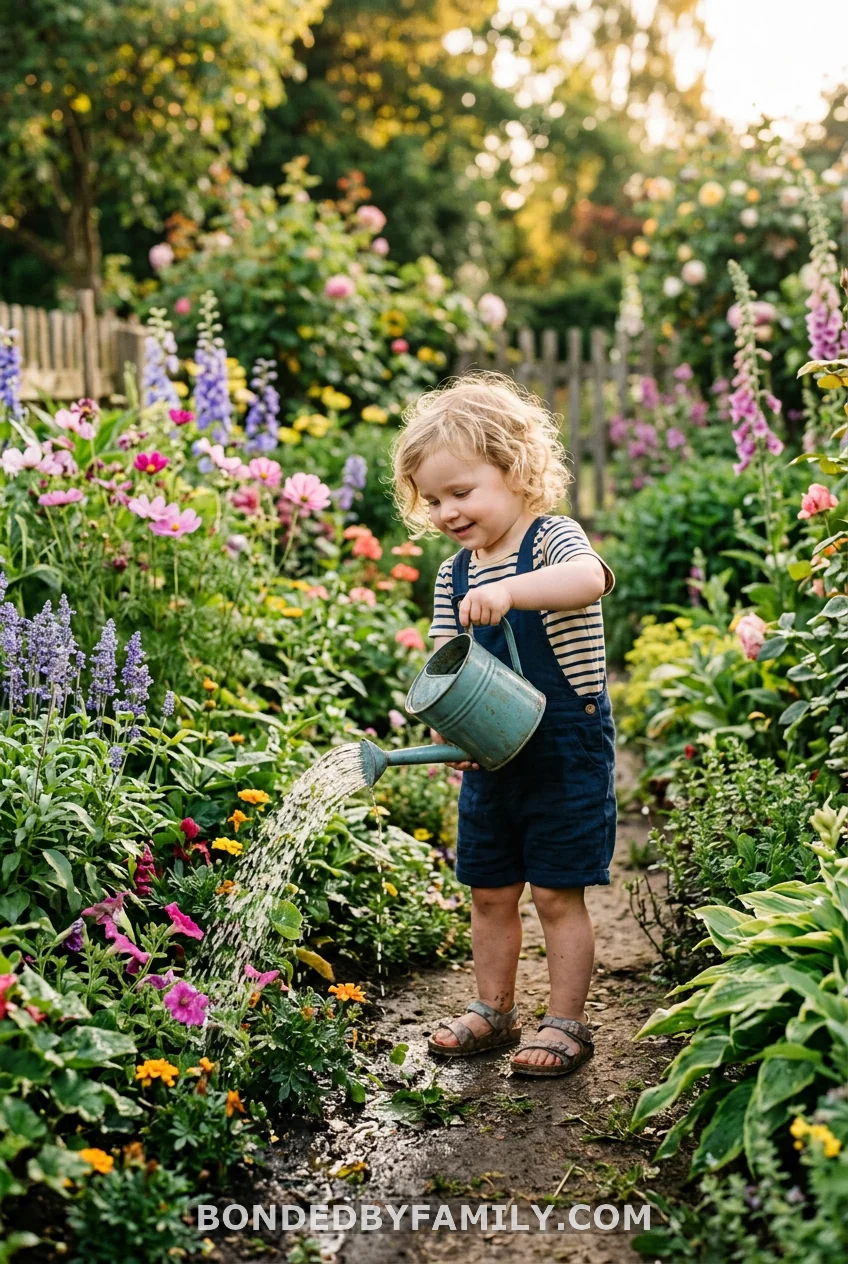
Hand your toddler a small watering can and a job. Watering plants is purposeful work, and toddlers crave purpose more than we realize. They get to carry, tip, and pour with a real outcome at the end. A toddler-size watering can costs about $5. Fill it only partway so it stays liftable, and accept that some water will land on their shoes. That is part of the fun.
9. Hunt for Bugs and Worms
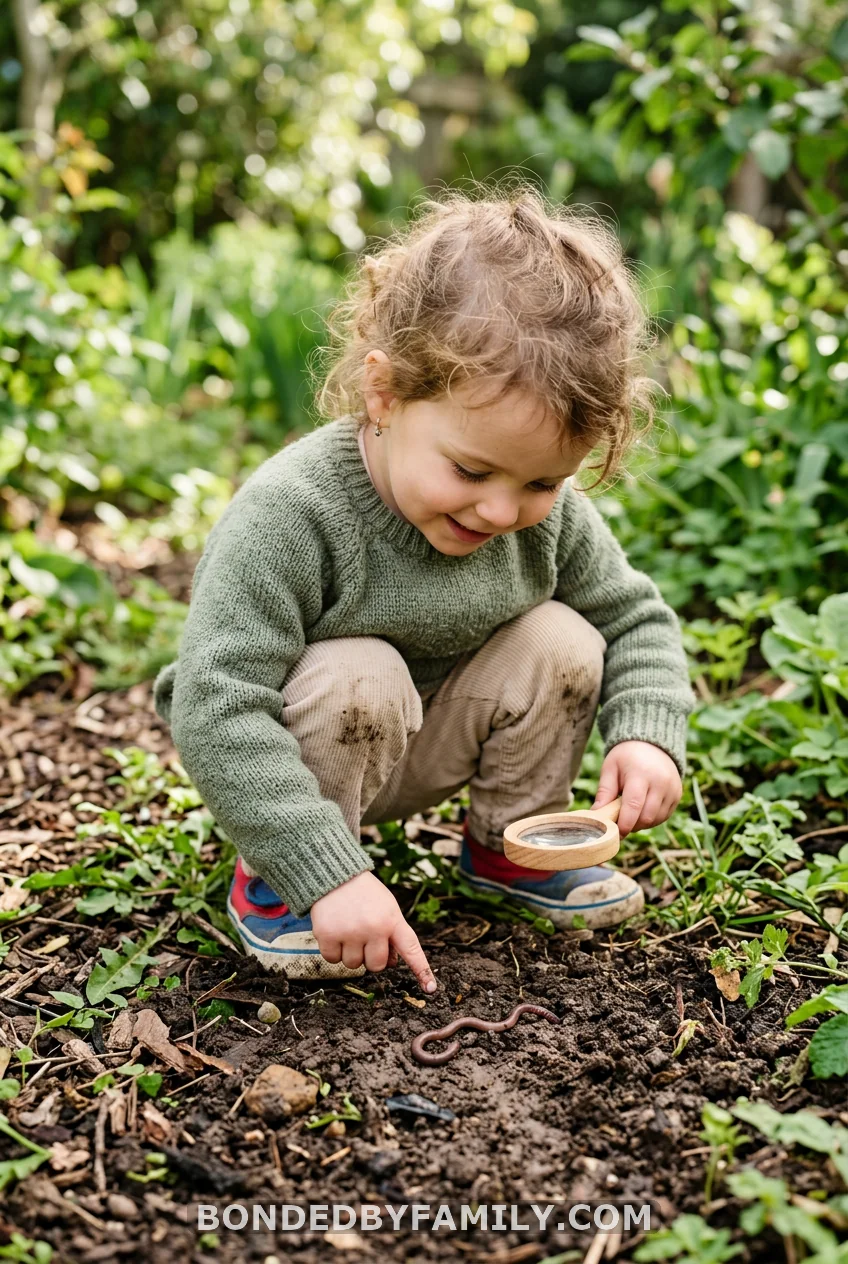
This one earns a different format, because the bug hunt is where parent assumptions and toddler reality collide.
What most parents think: Bugs and dirt are gross, a little risky, and probably best avoided with a toddler who eats everything.
What is closer to the truth: Hunting for bugs is one of the richest outdoor activities for toddlers, and the dirt is part of the benefit, not a flaw in the plan.
Flip over a rock or a log and watch what happens. Your toddler will be transfixed by a single roly-poly for longer than any toy holds them. You are building early science here, the very first sparks of curiosity about living things. Talk about what you see. How many legs? Where does it live? Is it fast or slow?
A growing body of research suggests that early contact with soil and the everyday microbes in it supports a child’s developing immune system, so the muddy hands are doing more than you think. None of that means abandon caution. You teach gentle hands so the bug survives the meeting, you keep them away from anything that stings or bites, and you wash up before snacks. But the squeamishness? You can mostly let that go. A magnifying glass, around $4, turns this from a five-minute poke into a long, slow, wonderful study.
10. Rescue Frozen Toys From Ice
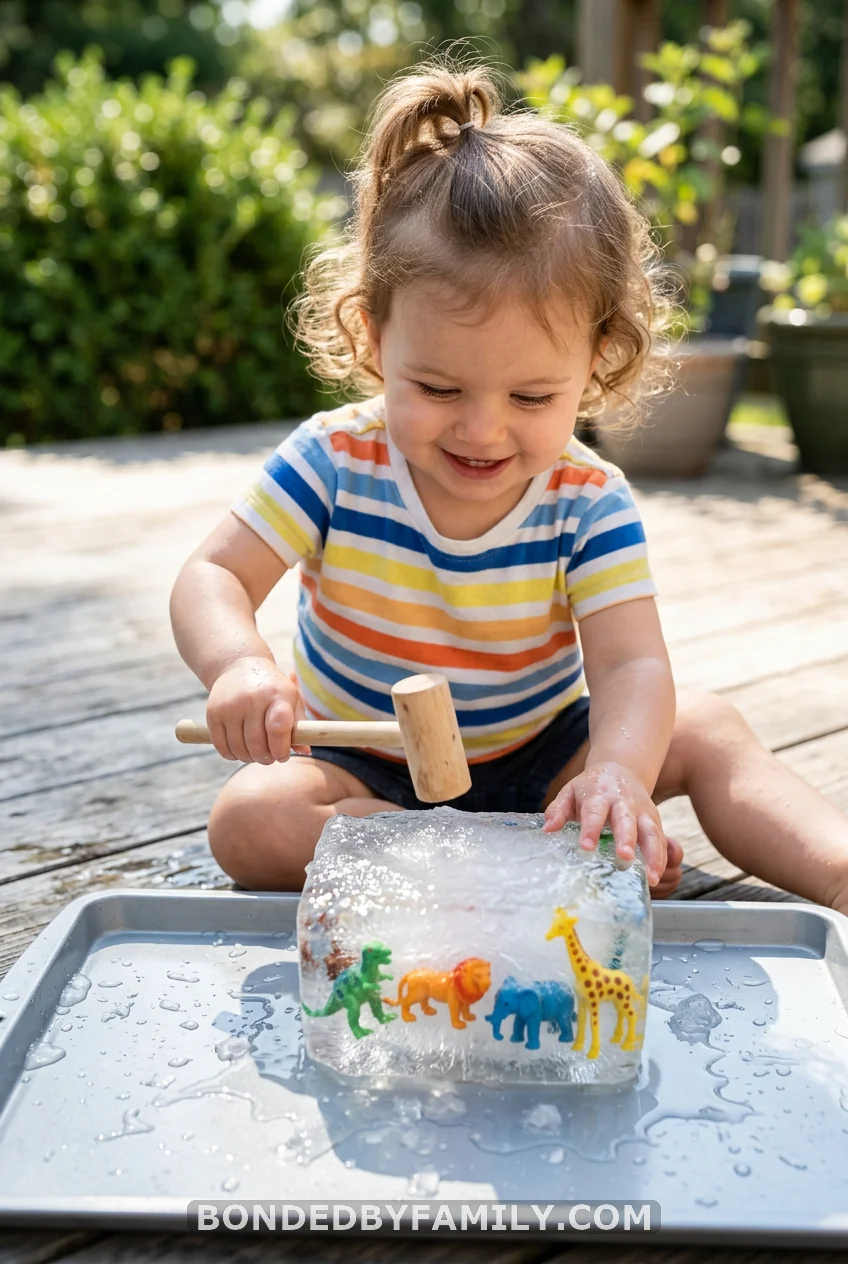
The night before, freeze a few small plastic toys in a bowl or tub of water. The next day, set the ice block on a tray outside and hand your toddler warm water, a spoon, and a small brush. Their mission: free the animals.
This is a brilliant hot-day activity. Toddlers stay cool, work at the melting ice with real focus, and feel a genuine win each time a toy pops loose. It builds patience and problem-solving in a package that feels like pure play. Make sure the frozen toys are too big to swallow, since ice shrinks and small parts can surface. Costs nothing beyond the toys you already own.
11. Walk a DIY Balance Beam
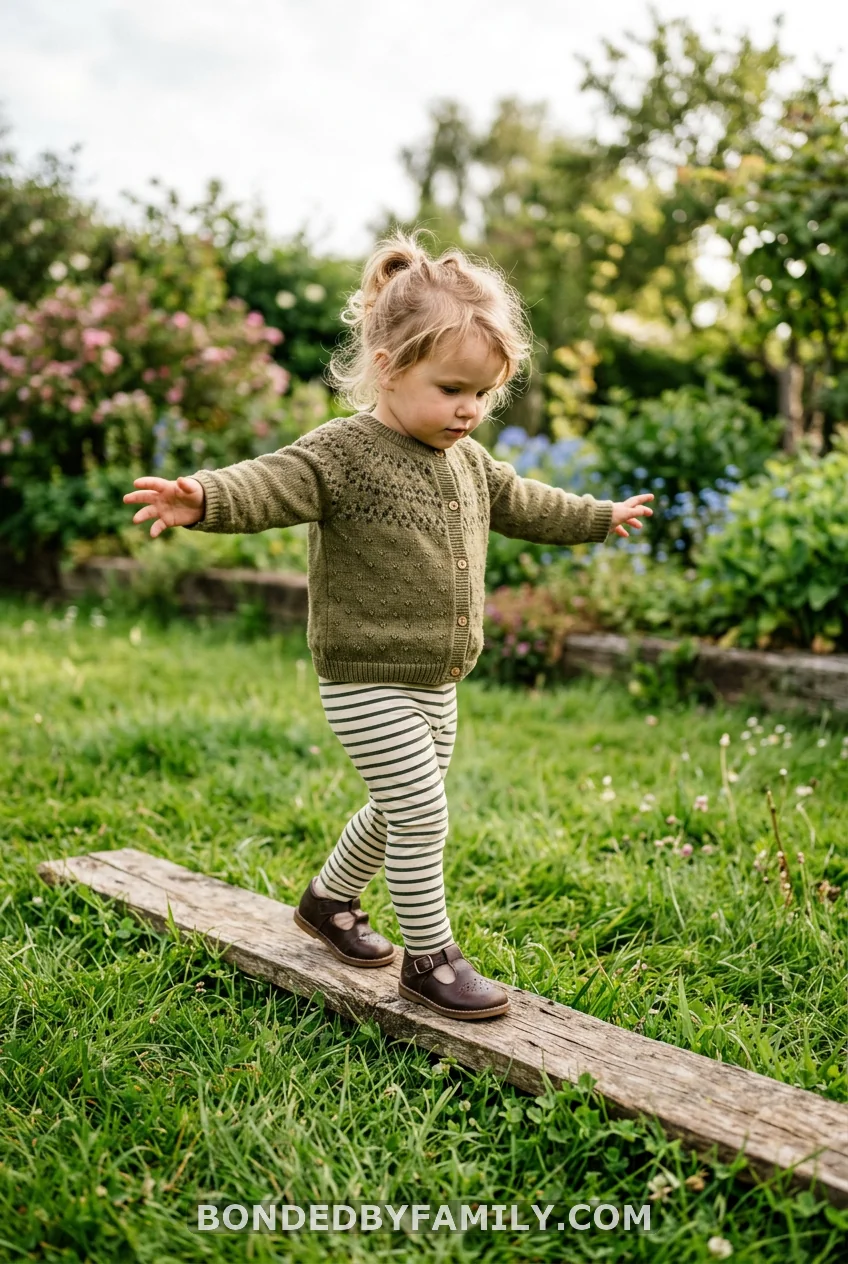
Lay a wide plank or a length of two-by-four flat on the grass. That is your balance beam. Toddlers wobbling along it are building core strength, balance, and serious body confidence. Keep it on the ground, never raised, so a stumble is just a soft step into the grass.
You can stretch this into a tiny obstacle course. Add a hula hoop to step into, a cushion to climb over, and a cone to walk around. Toddlers love the loop of a course, and it gives shape to all that wild energy. Use what you already own, and it costs nothing. The plank is the only real ingredient, and most garages have one.
12. Have a Snack Picnic
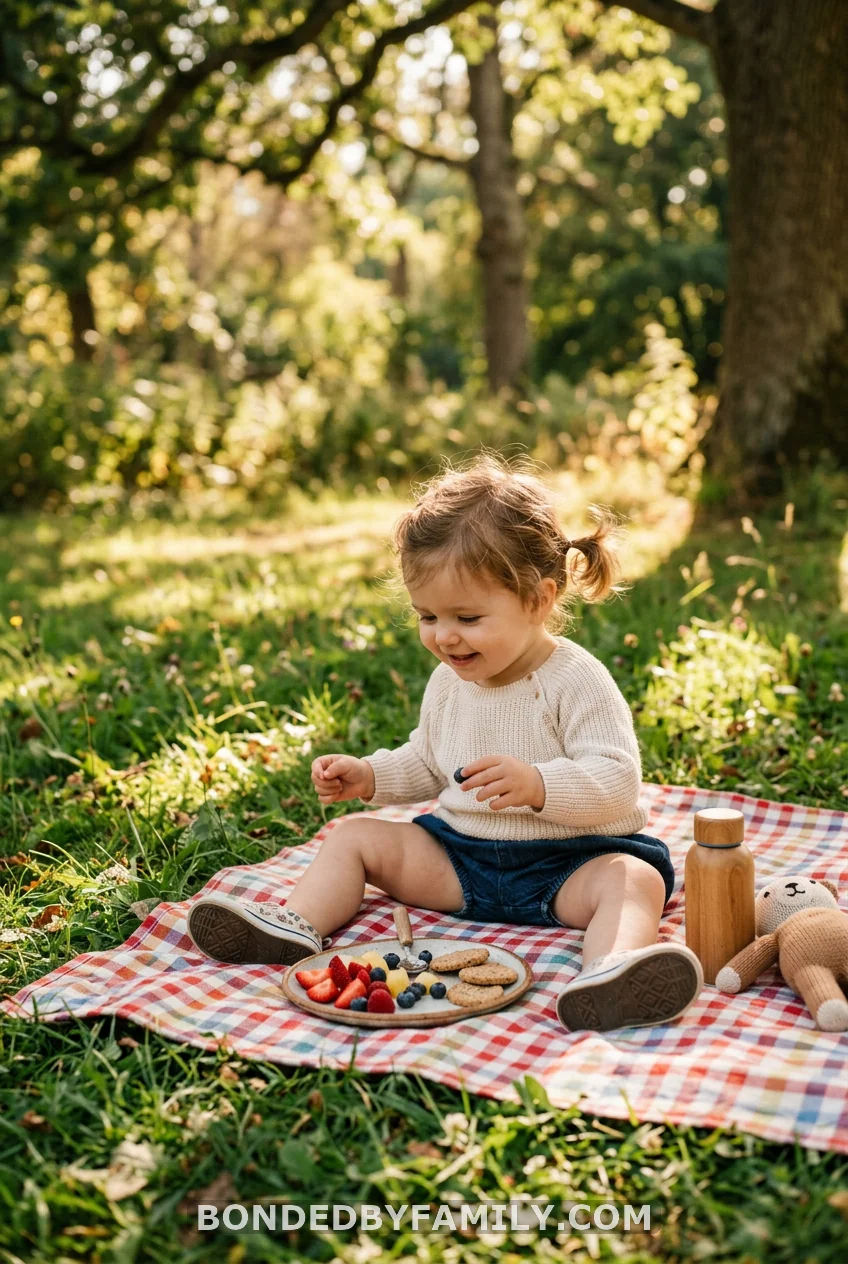
Spread a blanket. Pack the snack they were going to eat anyway. Sit outside. That is the whole activity, and toddlers adore it. Eating on a blanket in the grass feels like an adventure to a two-year-old. It also gives you both a calm, sitting-down moment after the wilder games. Free, and it doubles as lunch.
13. Collect a Treasure Basket
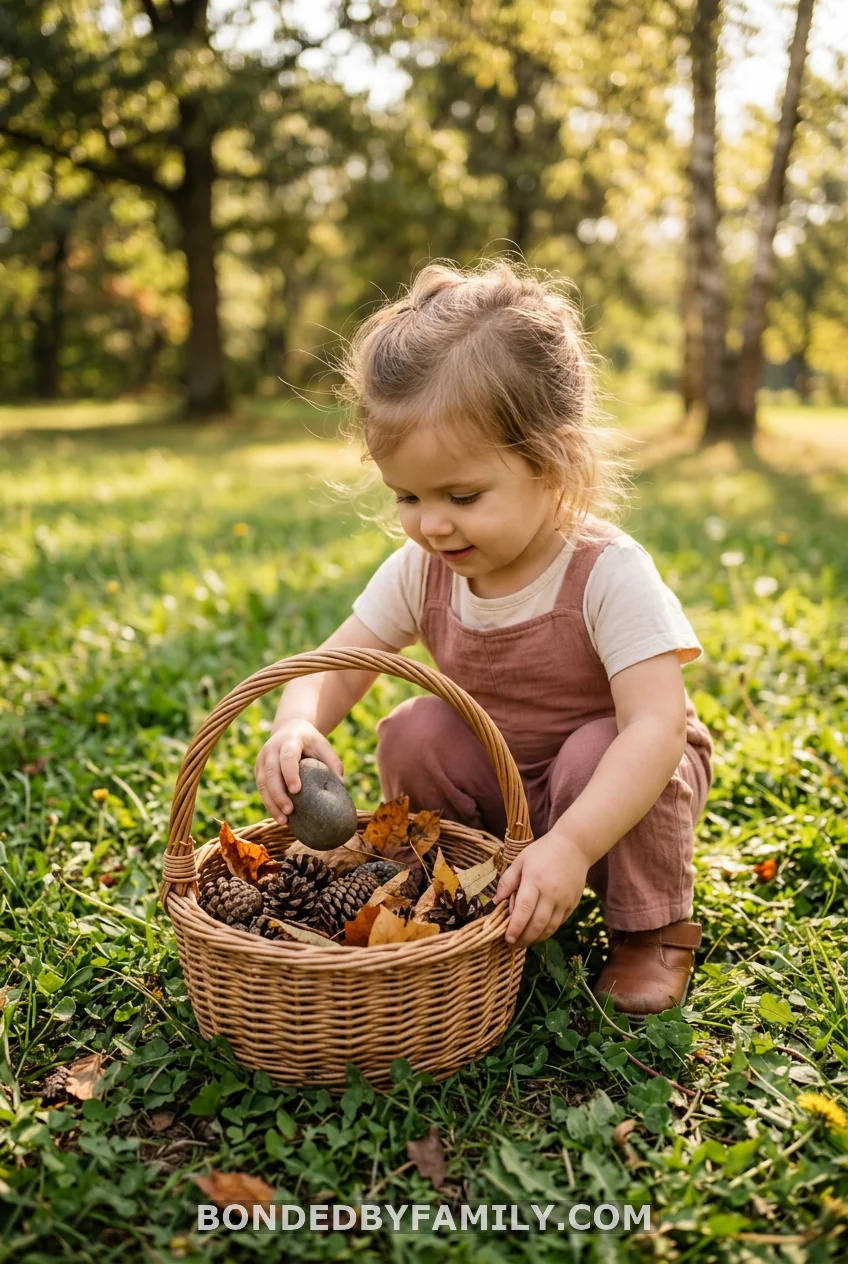
Hand your toddler a basket and let them gather what catches their eye outside. Smooth rocks, big pinecones, sturdy leaves, fallen petals. Then sort and talk about the haul together: this one is rough, this one is smooth, this one is heavy. It is sensory play, early sorting, and a treasure hunt rolled into one.
The single rule that matters: nothing smaller than their fist, because anything that fits in a toddler’s mouth is a choking risk, and toddlers test everything that way. Steer the collecting toward bigger finds and stay close. Costs nothing but a free basket and a slow lap of the yard.
Picking the Right Activity for the Day
You do not need all 13 at once. That is the trap. Rotate based on what you have and what your toddler needs.
Hot day? Go to a water station, a car wash, or frozen toy rescue. Wild, pent-up energy? Balance beam, bubbles, or a mud kitchen. Cranky, over-tired toddler who needs to slow down? Color hunt, treasure basket, or a snack picnic. Almost no time to set up? Chalk, bubbles, or water the garden.
And keep a couple of these going in steady rotation. Toddlers thrive on the familiar, so the activity that bored them today might be their favorite next week.
You Have Got This
The truth about outdoor activities for toddlers is that simpler almost always wins. Your toddler does not need a Pinterest-worthy setup. They need a little water, a little dirt, a basket, and you nearby. Start with the water pouring station, add one or two more as you find your rhythm, and watch how much calmer your outdoor time gets.
Some days will still fizzle in ninety seconds. That is toddlers. But more days will stretch into real, happy, fresh-air stretches where everyone, including you, gets what they need. Now go fill a tub with water and give it a try.
Frequently Asked Questions
What outdoor activities are best for a 1-year-old?
Younger toddlers do best with no-fuss sensory play that needs little instruction. A shallow water tub, a sand bin, bubbles, and a color hunt all work beautifully for one-year-olds. Keep tools chunky and choke-safe, and stay within arm’s reach for any water play.
How long should toddlers play outside each day?
Many pediatric and early-childhood groups suggest aiming for a few hours of active, outdoor time daily when weather allows, split across the day rather than all at once. Toddlers regulate their mood and sleep better with regular fresh air and movement, so even short, repeated bursts add up.
What are good, cheap outdoor activities for toddlers?
Most of the best ones cost little to nothing. A water pouring station, a mud kitchen, a color scavenger hunt, a snack picnic, and a treasure basket all use things you already own or items under a few dollars. Expensive equipment rarely outperforms a tub of water and your attention.
How do I keep my toddler safe during outdoor water play?
Stay within arm’s reach the entire time, since toddlers can drown in very little water, and it happens silently. Keep tubs shallow, empty them right after, and never leave water unattended where a toddler can reach it. Close supervision matters more than any product.
What outdoor activities help toddler development the most?
Activities that combine movement, sensory input, and a small challenge give the biggest payoff. Pouring water builds fine motor skills, a balance beam builds gross motor control, and bug hunts spark early science curiosity. The richest play usually looks the simplest from the outside.