“Mom, why does the kitchen smell like cookies if we can’t eat them?” My four-year-old asked me that while I stirred my first batch of gingerbread playdough recipe trials. Good question. It smells exactly like a cookie shop and tastes like a salt lick.
This guide gives you one recipe and two ways to make it. You get a no-cook method that takes five minutes and a stovetop method for the smoothest dough. You also get a cream of tartar swap, texture fixes, storage rules, and the math for a whole classroom.
Gingerbread Playdough Ingredients and Supplies
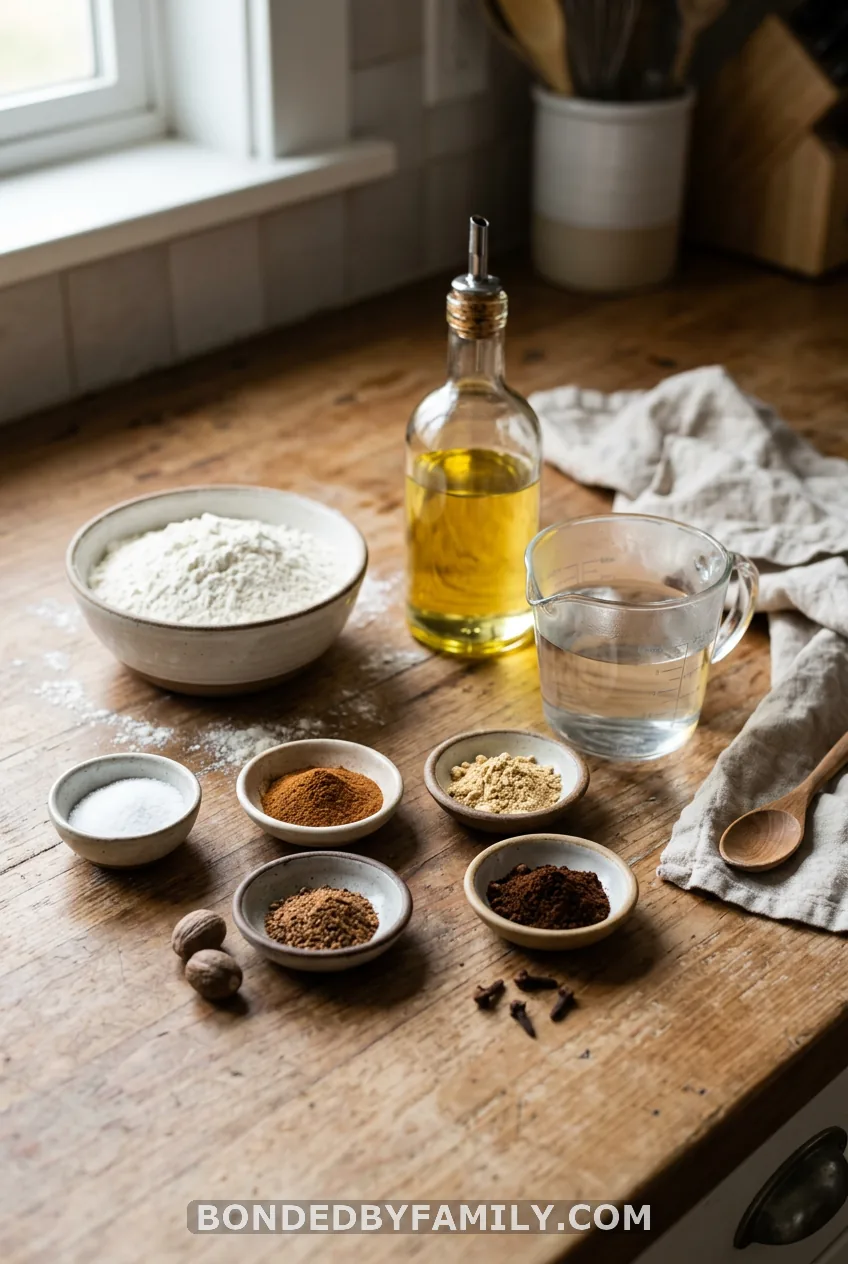
Everything here comes from your pantry. The spices give you the brown color and the smell, so you do not need food coloring.
The Ingredient List
- 2 cups all-purpose flour
- ½ cup table salt
- 2 tablespoons cream of tartar (optional for no-cook)
- 1 tablespoon ground cinnamon
- 1 tablespoon ground ginger
- 1 teaspoon ground nutmeg
- 1 teaspoon ground cloves
- 2 tablespoons vegetable oil (canola works too)
- 1 cup warm water
Want a stronger smell? Add another teaspoon of cinnamon or a pinch of allspice or cardamom. Want a deeper brown? Stir in 1 tablespoon of cocoa.
Tools
You need a mixing bowl or a medium saucepan, a silicone spoon, measuring cups and spoons, and parchment paper for kneading. Grab an airtight container or zip-top bag for storage.
Yield, Time, and Safety
One batch makes about 3 cups, enough for 3 to 4 children. The no-cook method takes about 5 minutes. The stovetop method takes about 15, including cooling.
The dough is made from food, so people call it taste-safe. It is not a snack. It is very salty and heavily spiced, and it will smell like cookies, so tell your kids it is for playing only. Watch any child under 4 who still mouths toys.
Choose No-Cook or Stovetop Gingerbread Playdough
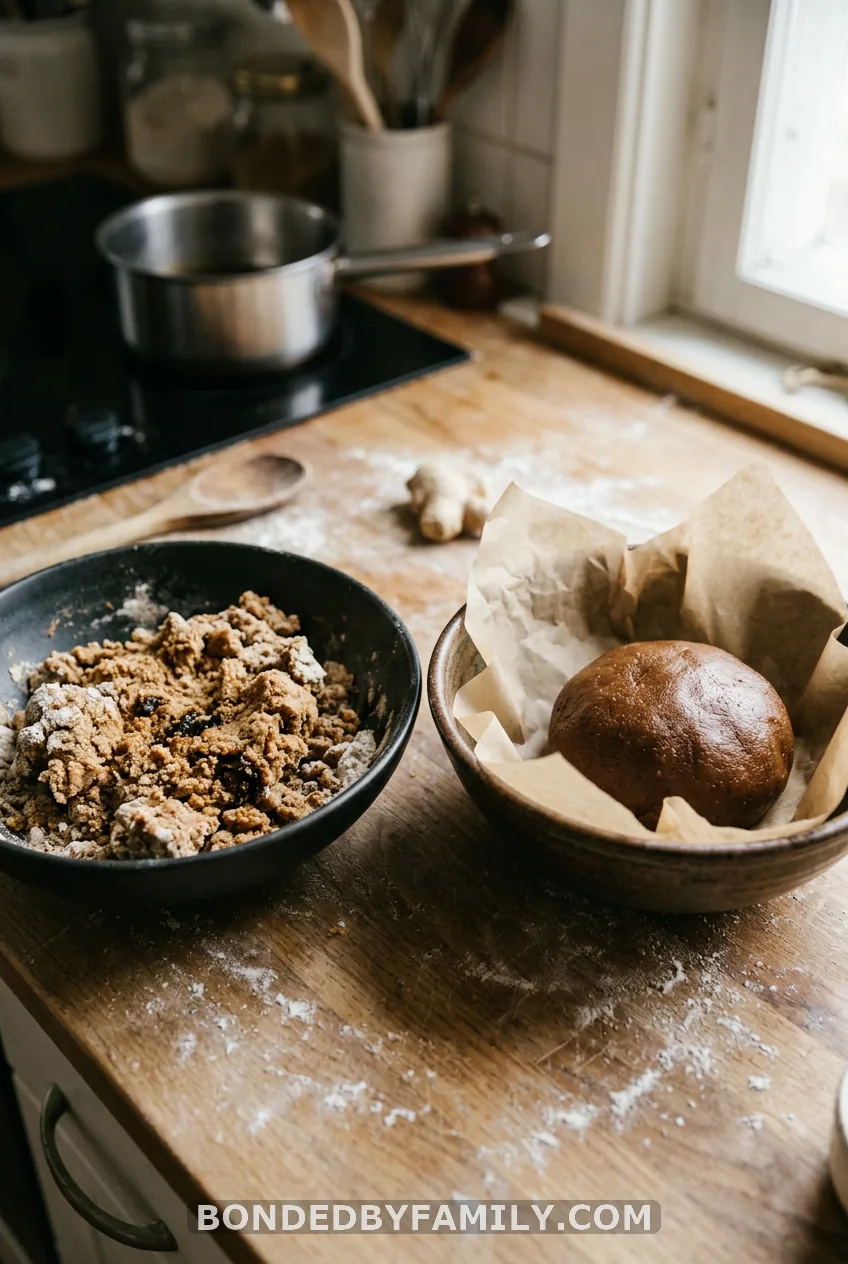
Both methods use the same ingredients. The difference is heat.
| No-Cook | Stovetop | |
|---|---|---|
| Time | About 5 minutes | About 15 minutes with cooling |
| Texture | Soft, a little grainy | Smooth, like store-bought dough |
| Kids can help | Yes, all of it | Only with the dry mix |
| Cleanup | One bowl | One pot |
| Cream of tartar | Skip it | Include it |
I use no-cook when toddlers are helping. I use stovetop when I want a batch to last all month.
What Cream of Tartar Does
Cream of tartar makes cooked dough stretchy and helps it keep. Skip it in the no-cook version. If you leave it out of the stovetop version, the dough comes out a bit less elastic. It still works.
How to Make Gingerbread Playdough Step by Step
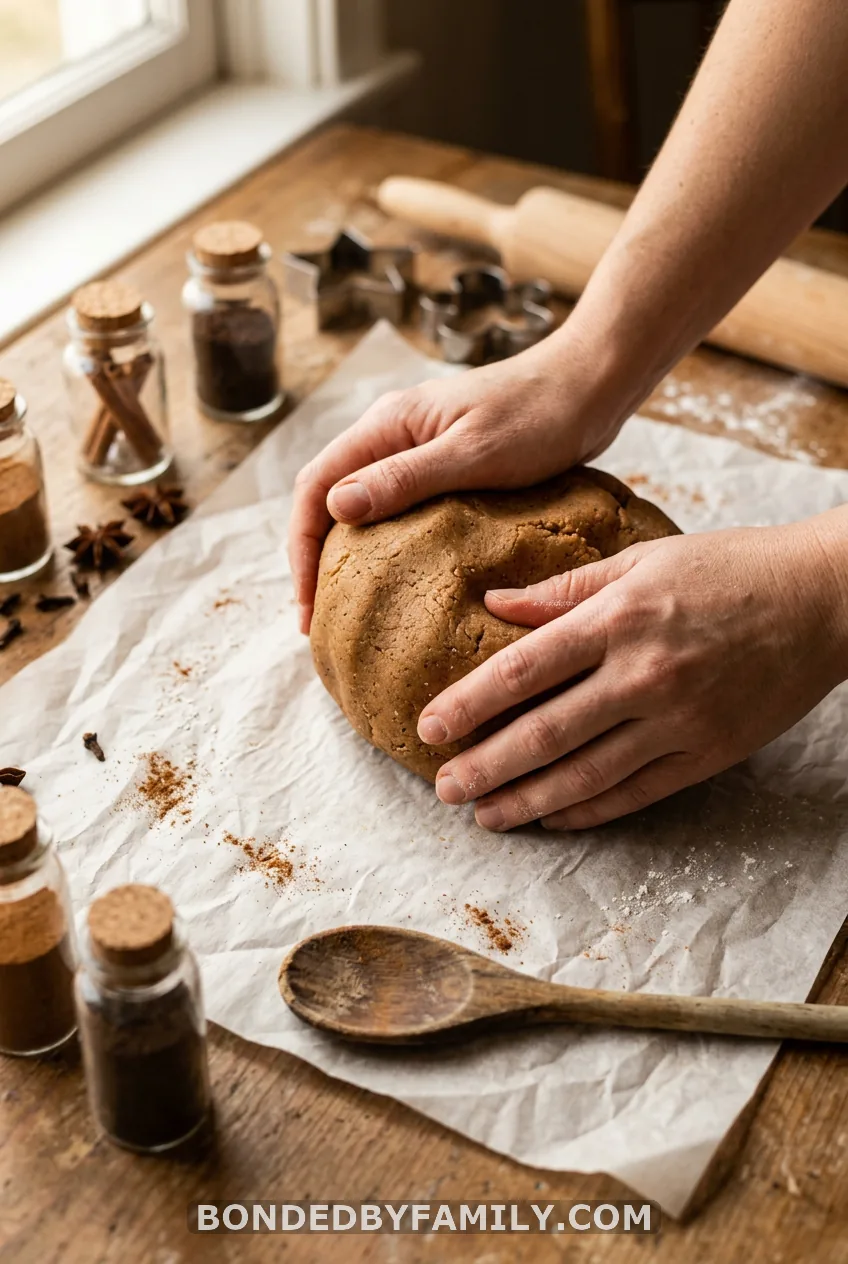
Start with the dry mix. Then pick your method.
Mix the Dry Ingredients
Whisk the flour, salt, cream of tartar and all four spices in your bowl or pot first. This stops spice clumps and streaky color.
Measure the flour the right way. Spoon it into the cup and level it with a knife. Scooping packs in too much, and your dough turns dry.
The No-Cook Method
- Add the oil and warm water to the dry mix.
- Stir until a shaggy dough forms.
- Turn it onto parchment paper or a clean counter.
- Knead for 2 to 3 minutes until smooth.
Warm water matters. It dissolves the salt and gives you a softer dough. If it sticks to your hands, knead in 1 tablespoon of flour at a time.
The Stovetop Method
- Put the water, oil and dry mix in a saucepan. Stir until it looks like thick batter.
- Cook over medium-low heat. Stir constantly with a silicone spoon.
- Keep going until the dough pulls away from the pan and forms a ball. This takes about 3 to 5 minutes.
- Turn it onto parchment paper and let it cool until it is safe to touch.
- Knead until smooth.
Sticky and wet means it needs another minute on the heat. Dry and crumbly in the pan means you cooked it too long, so knead in water later. Never let children touch the dough until it has cooled.
Fix and Store Your Gingerbread Playdough
Fix the Texture
- Sticky: Knead in 1 tablespoon of flour at a time. On the stovetop, cook it another minute.
- Crumbly: Add water 1 teaspoon at a time and knead. If it still feels stiff, add a few drops of oil.
- Hard or dry: Wrap it in a damp towel for 10 minutes, then knead.
- Too salty on little hands: Cut the salt to ⅓ cup next time and do not over-knead.
Store It So It Lasts
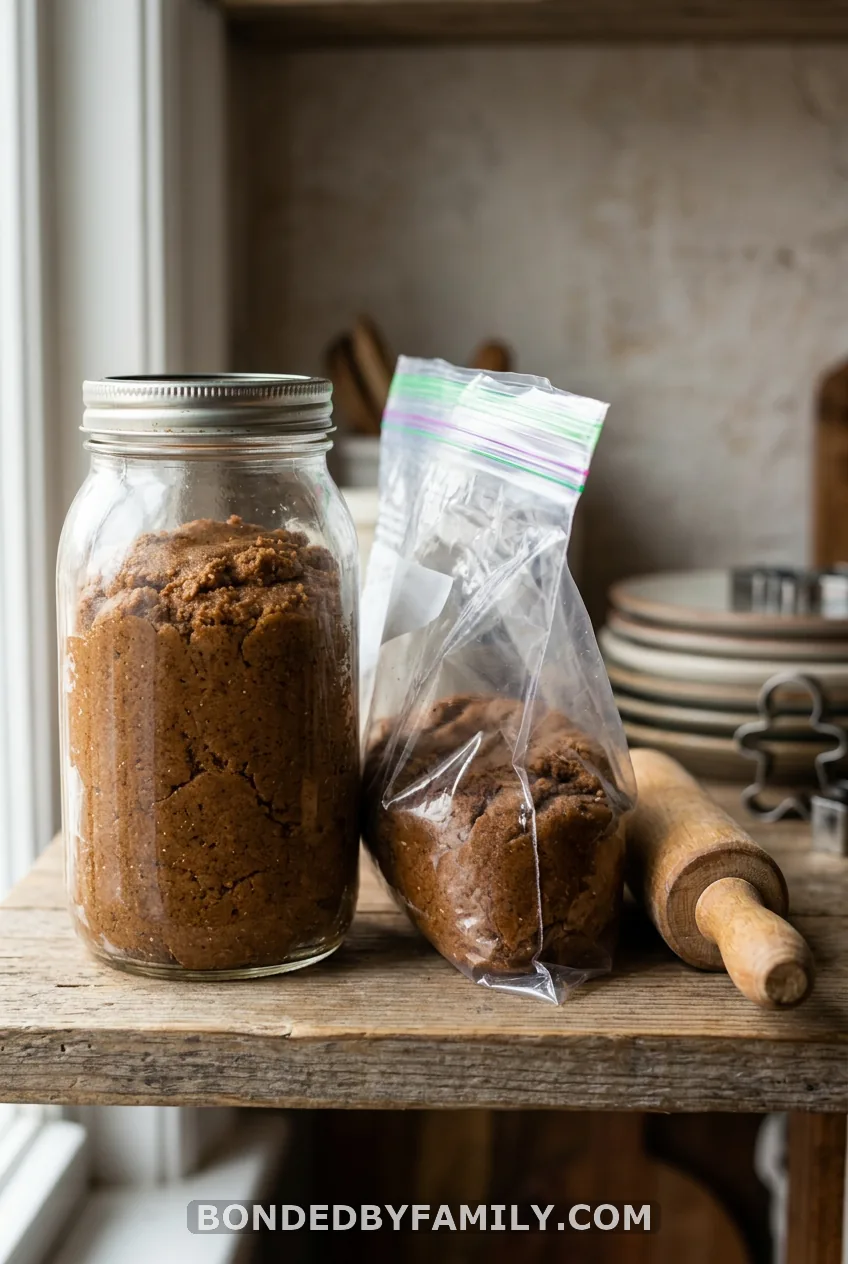
Press out the extra air and seal the dough in an airtight container or zip-top bag. At room temperature it lasts about 1 to 3 months.
Refrigerate it only if your home is humid or the dough turns damp. Let it warm up and knead it for a minute before play.
Check before every session. Throw it out if you see mold, smell something sour, or feel slime.
Scale, Gift, and Play With Gingerbread Playdough
Classroom Math
Divide one batch into six ½-cup portions. That means 2 batches for 12 children, 3 batches for 18 and 4 batches for 24. Make the no-cook version in a stand mixer with a dough hook, one batch at a time. For a large stovetop pot, keep one adult at the stove and stir with a long spoon, because the steam is hot.
Gift Jars
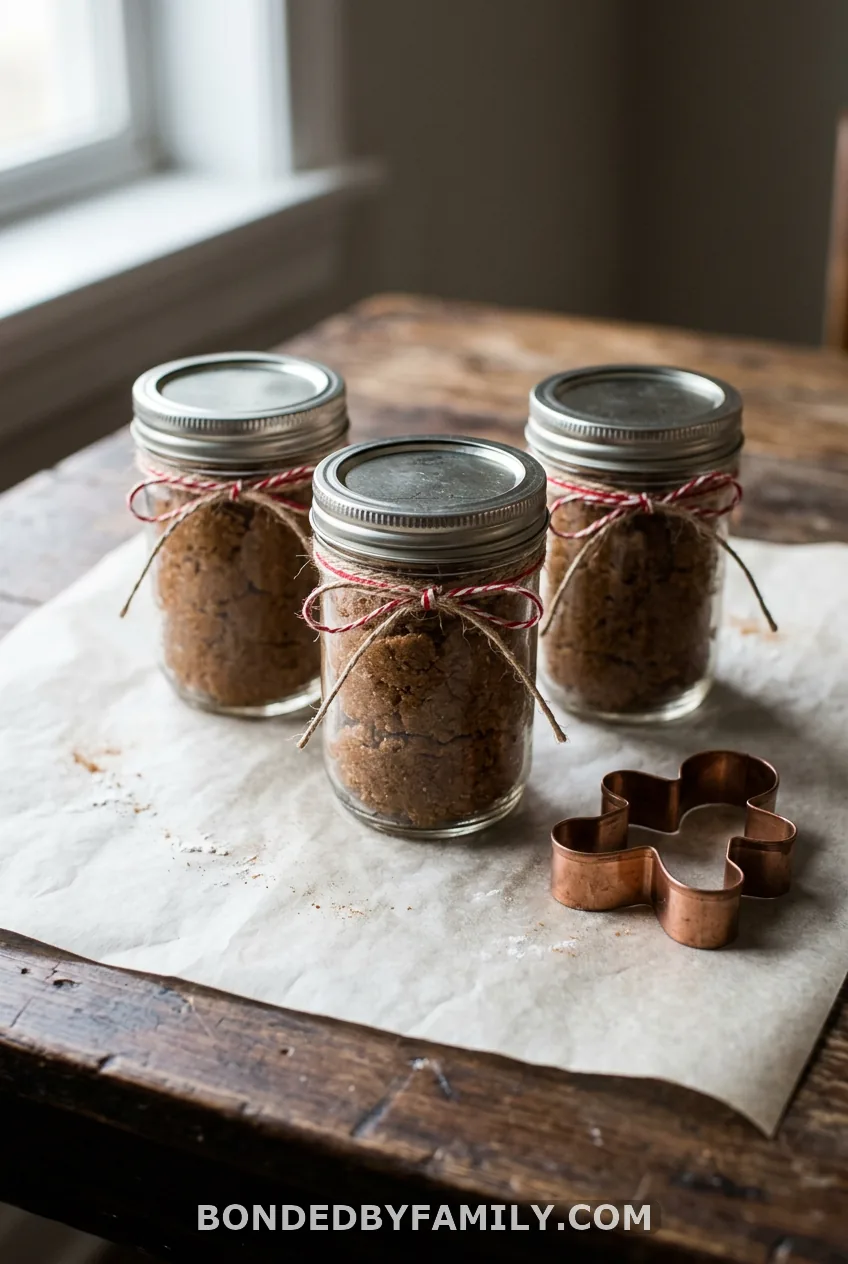
A batch fills three 8-ounce mason jars with about 1 cup each. Tie a gingerbread cookie cutter to each lid with ribbon. Add a gift tag that says “For play only, not for eating.”
Variations
- Microwave: Mix everything in a microwave-safe bowl. Heat in 30-second bursts, stirring between each, until a dough ball forms. Cool, then knead.
- Gluten-free: Regular flour is not gluten-free. I have not tested a gluten-free blend, so I will not promise one. For allergy-sensitive kids, skip this recipe.
Set Up the Play
Build a cookie shop on a baking sheet. Add a rolling pin, cookie cutters, and large pom-poms or big play pieces for gumdrops. Buttons and beads are choking hazards for children under 4, so only offer them to older children, and always stay close and supervise. Rolling and pressing builds fine motor strength, and pretend baking gets toddlers and preschoolers talking.
Play at a table, not on a rug or couch, because spices stain fabric. Wash hands after play and wipe the table with a damp cloth.
One batch of salty, spicy dough gives you a whole afternoon of cookie-shop play.
FAQ
Is gingerbread playdough edible?
It is made from food ingredients, but it is not meant to be eaten. The salt and spices make it unpleasant and too salty for small bodies. Treat it as a sensory material and supervise young children.
Can I make gingerbread playdough without cream of tartar?
Yes. Use the no-cook method, which needs none. In the cooked version you can leave it out, but the dough will be a little less stretchy, so add flour if it feels sticky.
How long does homemade gingerbread playdough last?
In an airtight container it lasts about 1 to 3 months at room temperature. Check for mold, a sour smell or sliminess before each use.
Can I microwave gingerbread playdough?
Yes. Heat it in a microwave-safe bowl in 30-second bursts, stirring between each, until it forms a ball. Let it cool before kneading.
How much does one batch make?
About 3 cups, enough for 3 to 4 children. Multiply the recipe for a classroom and portion it into baggies.