“She’s going to eat the whole thing,” my sister said, staring at the tiny cake on the counter. She was right. My niece ate every crumb of her healthy smash cake, wore half of it in her hair, and never missed the sugar.
This list gives you 10 healthy smash cake recipes, from banana-oat to no-banana, vegan, and gluten-free. After the list, you get a frosting guide, a make-ahead timeline, and a swap cheat sheet so you can build the cake your baby needs.
Healthy Smash Cake Basics
What a smash cake is
A smash cake is a small cake just for the birthday baby. It is made for squishing, tasting, and photos. It is not the cake you serve guests.
Most bakers use two or three 4-inch layers or one 6-inch cake. That is plenty for one baby.
What “healthy” means here
Recipes online use three different labels, so here is what each one means in this list:
- No added sugar: the sweetness comes only from fruit, like banana or applesauce.
- No refined sugar: a small amount of maple syrup may appear.
- Naturally sweetened: fruit and plain yogurt do the work, and nothing else is added.
Skip honey completely. It is not safe for babies under 12 months.
What to expect
These cakes are denser and less sweet than bakery cake. That is normal. Your baby has never tasted frosting-sweet cake, so they will not compare.
Before the party, make sure your baby has already tried each major allergen in the recipe, such as egg, dairy, or nuts. A birthday is a bad day for a first reaction. Stay close while your baby eats, and cut any fresh fruit toppings into tiny pieces.
The 10 Healthy Smash Cake Recipes
1. Best Overall: Banana-Oat Cake with Whipped Greek Yogurt Frosting
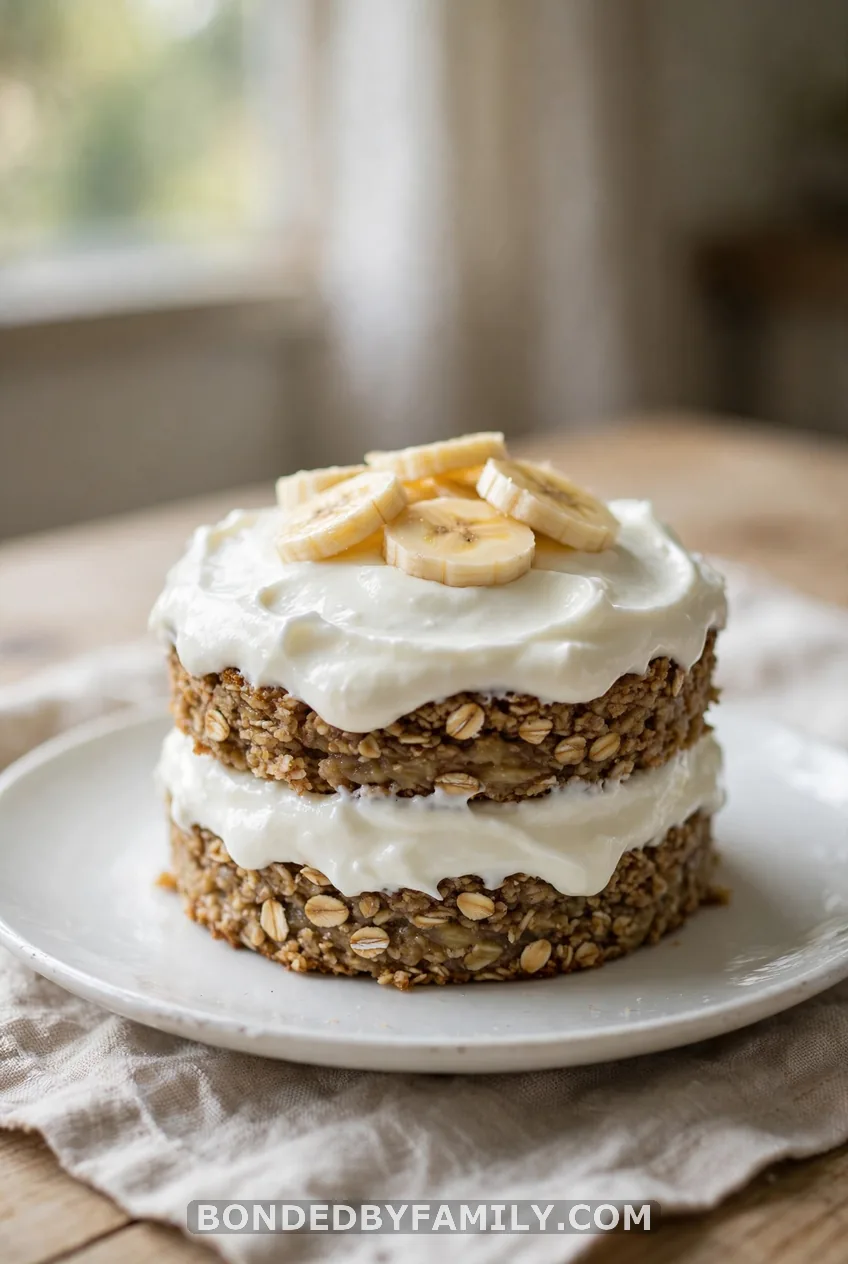
This is the one I would make first. It uses one bowl, a handful of pantry items, and no mixer.
You need:
- 1 cup oat flour (blend 1 cup rolled oats until powdery)
- 2 very ripe bananas, mashed (about ¾ cup)
- 1 egg
- 2 tablespoons avocado oil
- ¼ cup milk of your choice
- 1 teaspoon vanilla
- ½ teaspoon cinnamon
- ½ teaspoon baking powder and ¼ teaspoon baking soda
Here is the method:
- Heat the oven to 350°F. Grease two 4-inch pans and line the bottoms with parchment rounds.
- Whisk the banana, egg, oil, milk, and vanilla.
- Stir in the oat flour, cinnamon, baking powder, and baking soda just until no dry spots remain.
- Divide the batter between the pans and bake 18 to 22 minutes. A toothpick should come out clean.
- Cool in the pans for 10 minutes, then move to a cooling rack. Cool fully before you frost.
For the frosting, stir ¾ cup thick whole-milk Greek yogurt with 1 tablespoon fruit puree. Spread it between the layers and on top. Chill the finished cake for an hour.
The most common mistake is frosting a warm cake. The yogurt slides right off. Be patient.
Cost reality:
The whole cake costs about $5 to $7 if you own oats and cinnamon. The yogurt is the priciest part.
2. Best No-Banana Option: Applesauce-Oat Cake with Cream Cheese Frosting
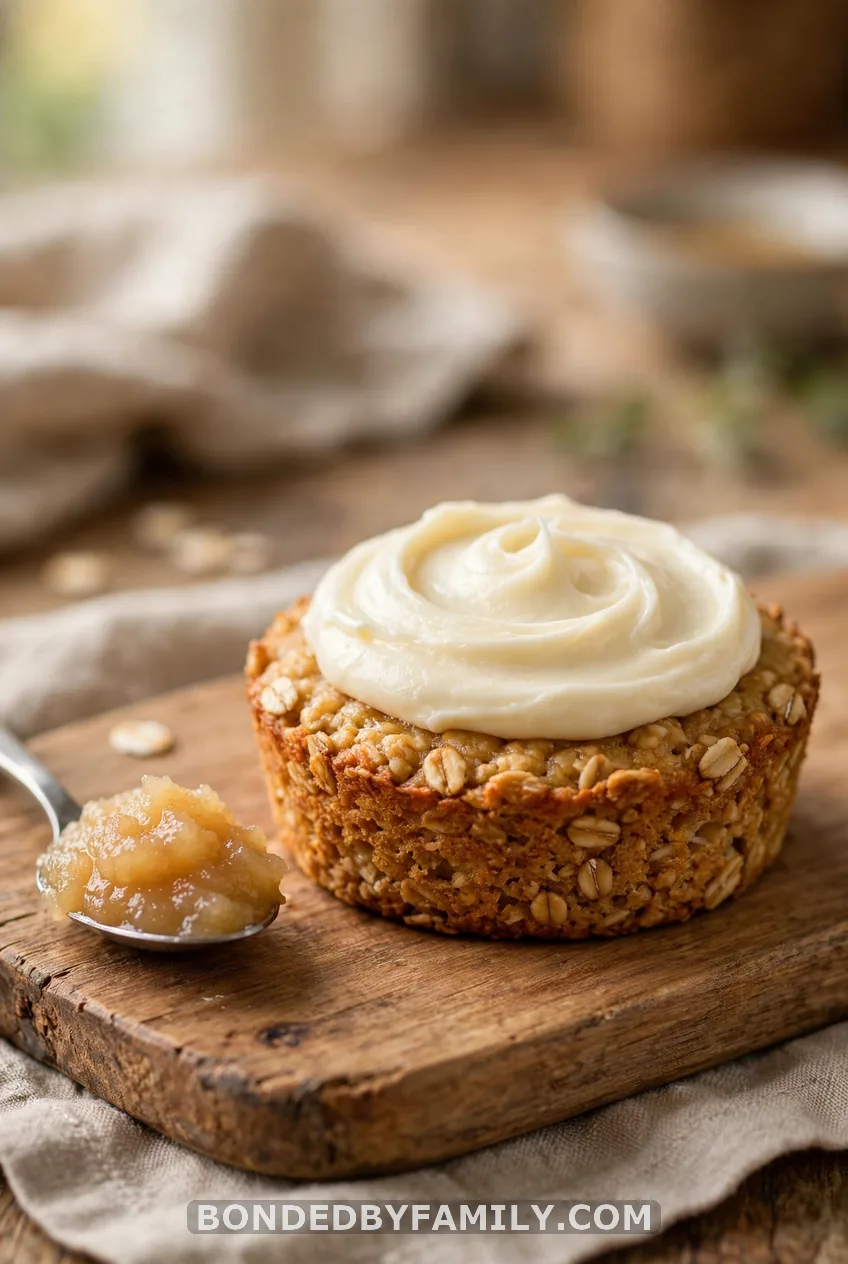
Plenty of parents search for a healthy smash cake with no banana, and this is my answer. Swap the mashed banana in recipe 1 for ¾ cup unsweetened applesauce. Everything else stays the same.
Applesauce batter is wetter, so the cake bakes up softer. Do not overmix, or it turns gummy. Whip 4 ounces of softened cream cheese with 2 tablespoons applesauce and a splash of vanilla for the frosting.
3. Best Vegan and Egg-Free: Flax-Applesauce Cake with Coconut Cream Frosting
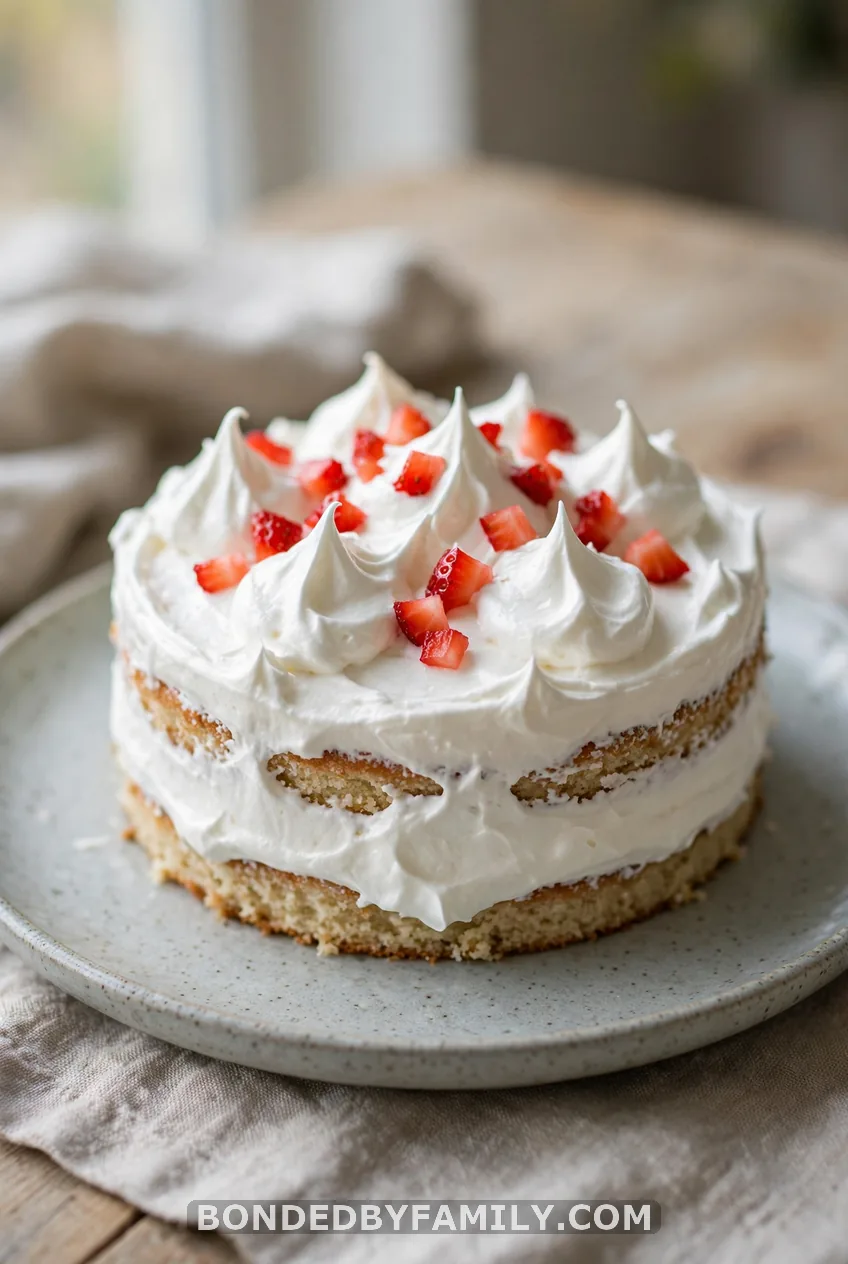
Make a flax egg by mixing 1 tablespoon ground flax with 3 tablespoons water. Wait 5 minutes until it turns gel-like. Use it in place of the egg in recipe 2, with whole wheat flour or a 1:1 gluten-free blend.
For the frosting, chill a can of full-fat coconut cream overnight. Scoop out only the solid cream, then whip it with ¼ teaspoon cream of tartar until stiff peaks form. Keep the finished cake cold until the smash.
Cost reality:
A can of coconut cream runs about $2 to $4. Buy two, because some cans have less solid cream than others.
4. Best Gluten-Free Almond Flour Vanilla Cake
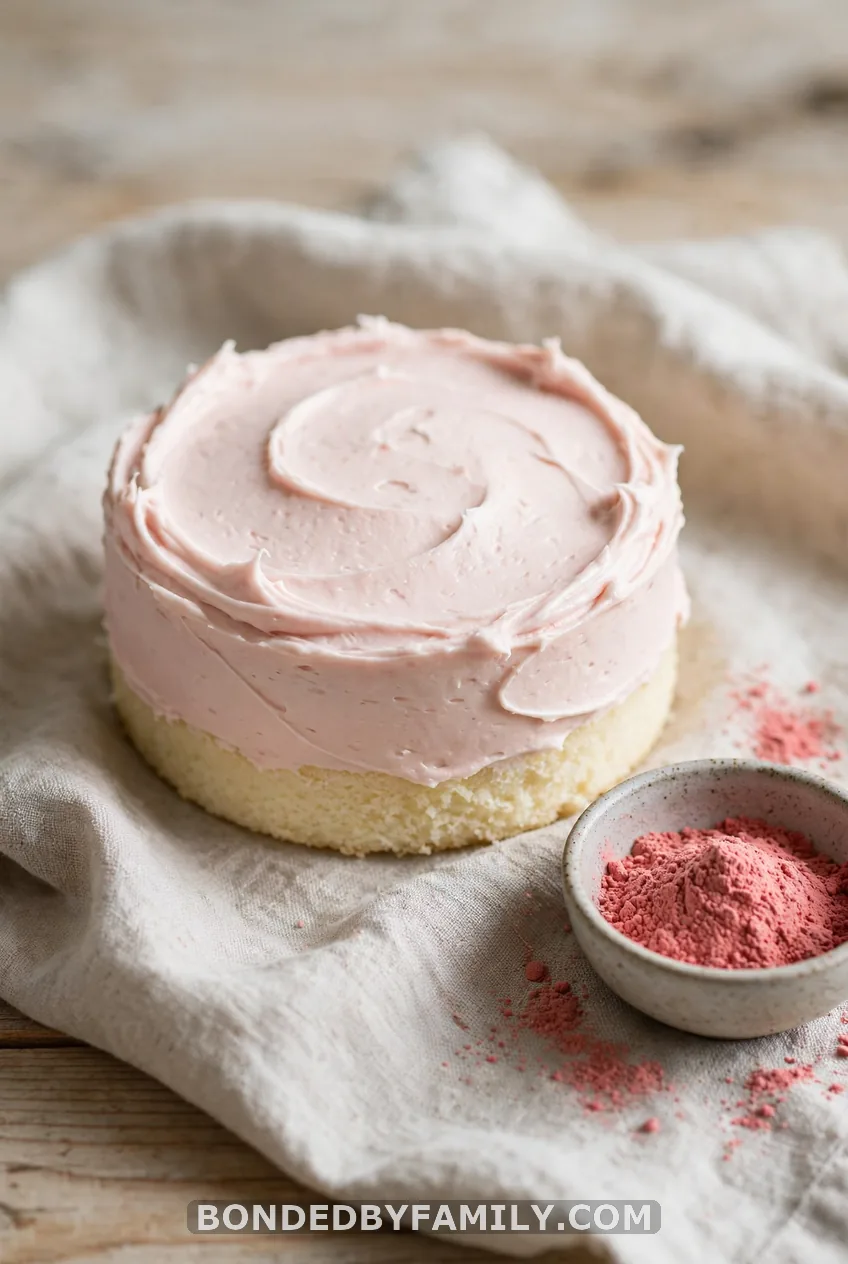
Mix 1 cup almond flour with ¼ cup cornstarch, 1 egg, ¼ cup applesauce, 2 tablespoons maple syrup, and 1 teaspoon vanilla bean paste. Add ½ teaspoon baking powder. Bake in one 6-inch pan for 25 to 30 minutes.
Tint the yogurt frosting with ½ teaspoon beet powder for pink, or a pinch of blue spirulina for blue. No dye needed. Almond flour is a tree nut, so skip this recipe until your baby has tried nuts.
5. Best for Baby-Led Weaning: Soft Oat Flour Cake
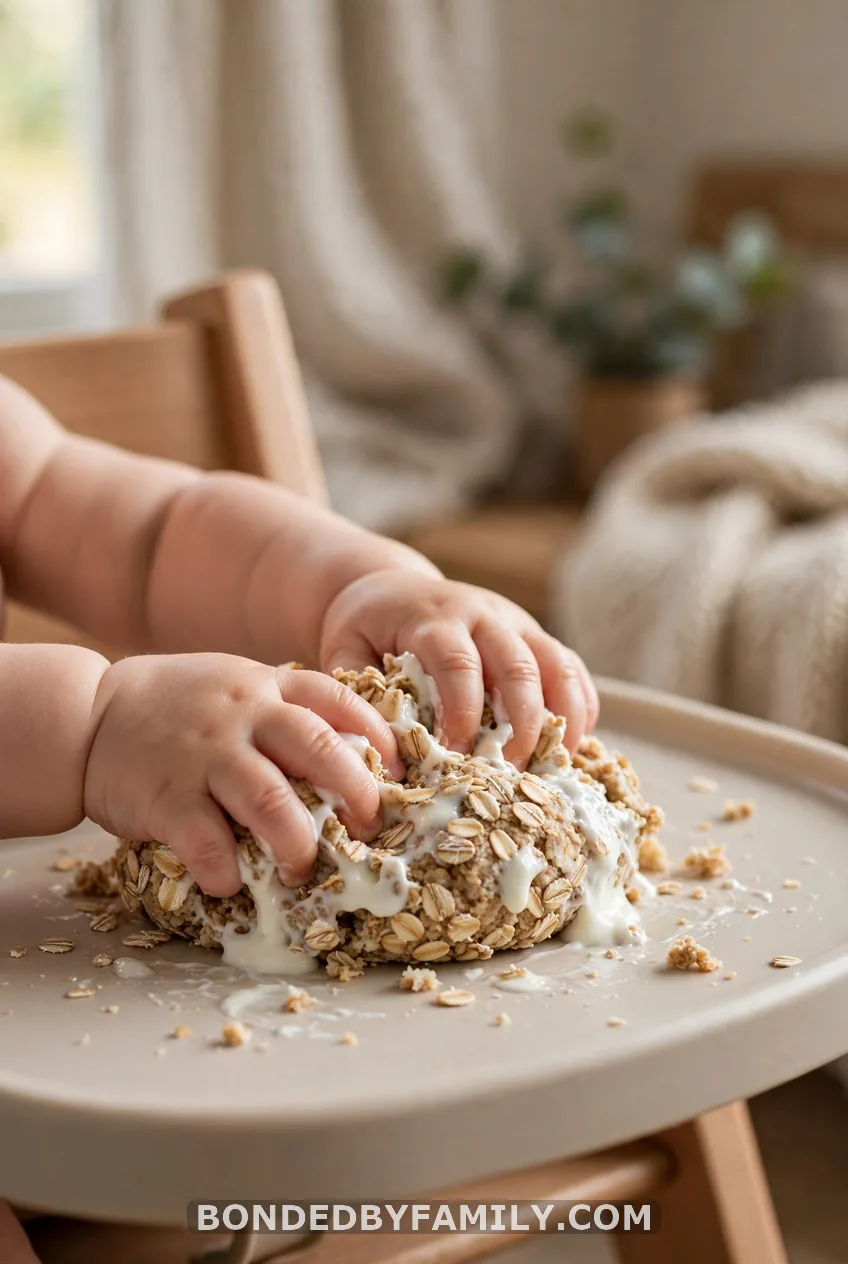
Use recipe 1, but skip the frosting. Spread a thin yogurt layer on top only. The cake holds together, and small hands can grab it.
6. Best Yogurt Frosting for Warm Parties
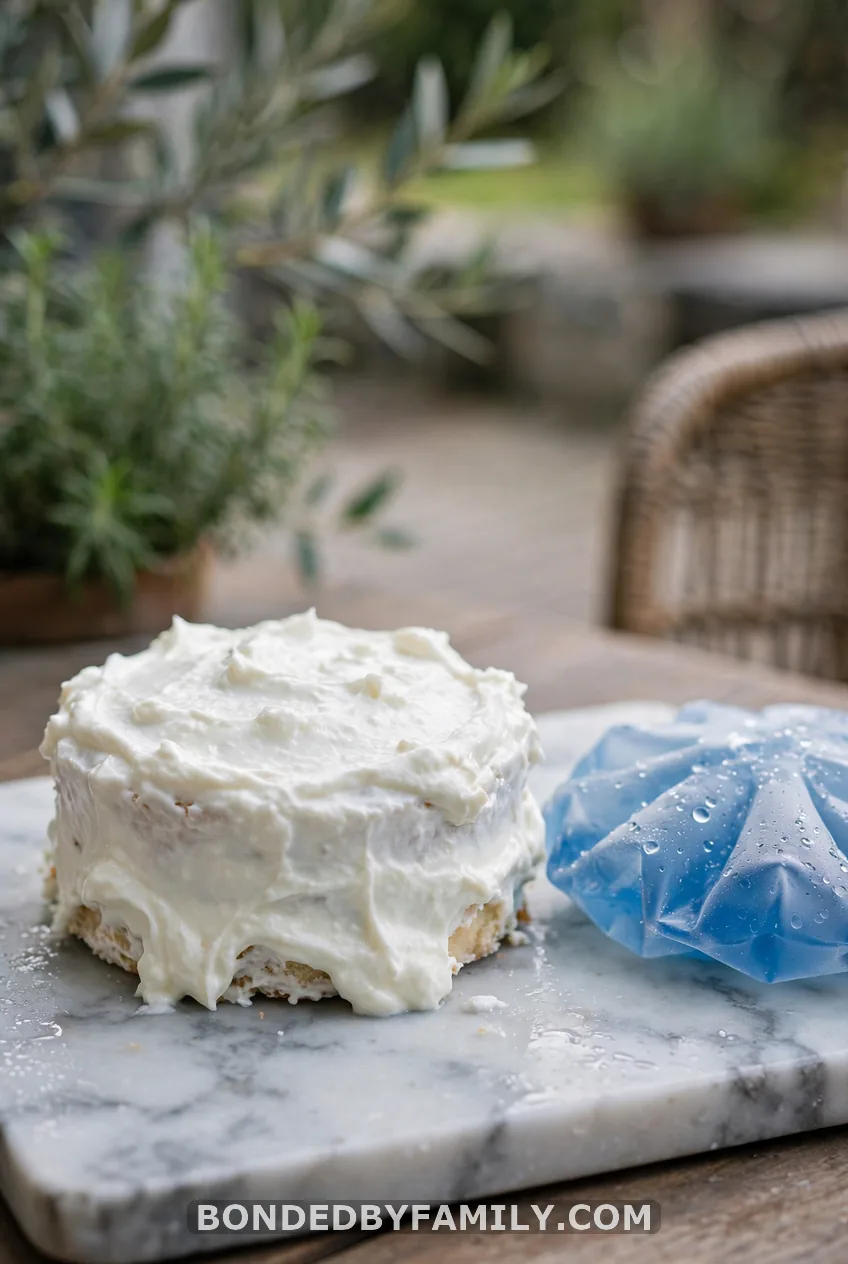
Watery yogurt frosting is a disaster waiting to happen on a summer afternoon. Strain 1 cup of plain whole-milk yogurt through a coffee filter in the fridge for 2 hours. Skyr works too and is already thick.
Frost right before the party starts. Keep the cake in a cooler until it is time.
7. Best Applesauce Cake with No Oil or Butter
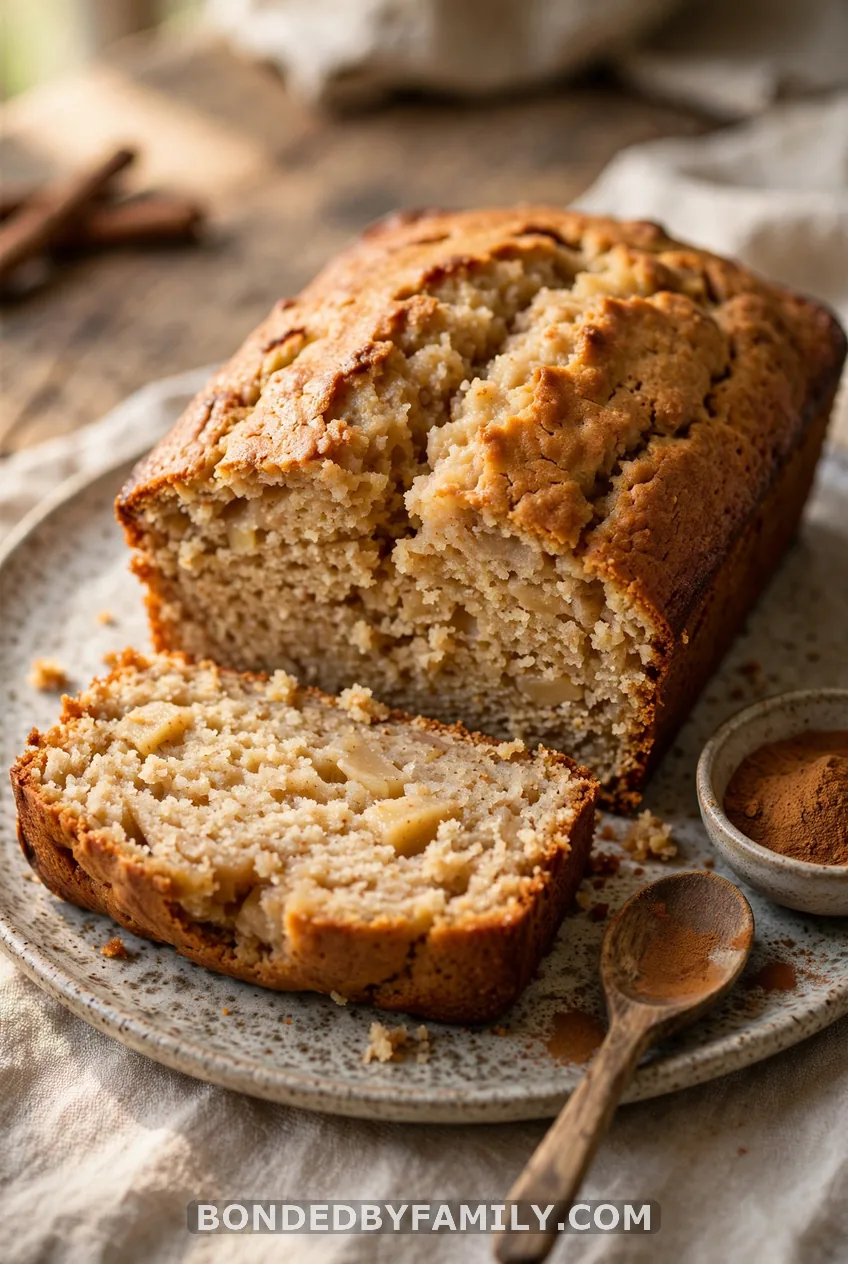
Swap the 2 tablespoons of oil in recipe 2 for 2 more tablespoons of applesauce. The cake is lower in fat and very moist.
The catch is texture. Oil-free batter turns gummy fast. Stir for about 15 strokes and stop.
8. Best Layered 4-Inch Cake for Photos
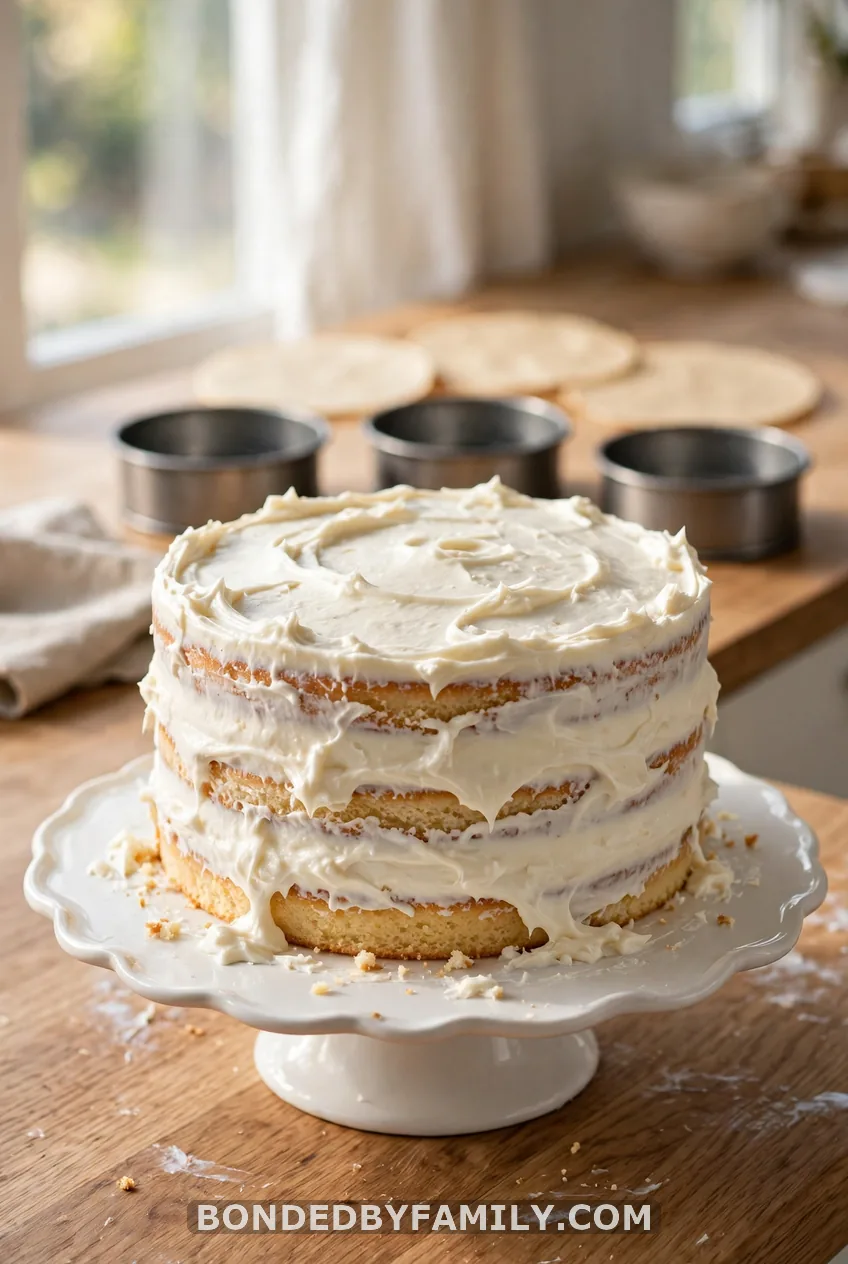
Bake the batter from recipe 1 in three 4-inch pans for slimmer layers. Cut parchment rounds so the cakes release cleanly. Wrap each cooled layer and freeze for 30 minutes before stacking, which cuts down on crumbs.
Use about 3 tablespoons of frosting between layers and a thin coat on top. A bare-sided look photographs beautifully and uses less icing. Take the cake out of the fridge 10 to 15 minutes before photos.
9. Myth vs. Reality: The Allergy-Friendly Cake
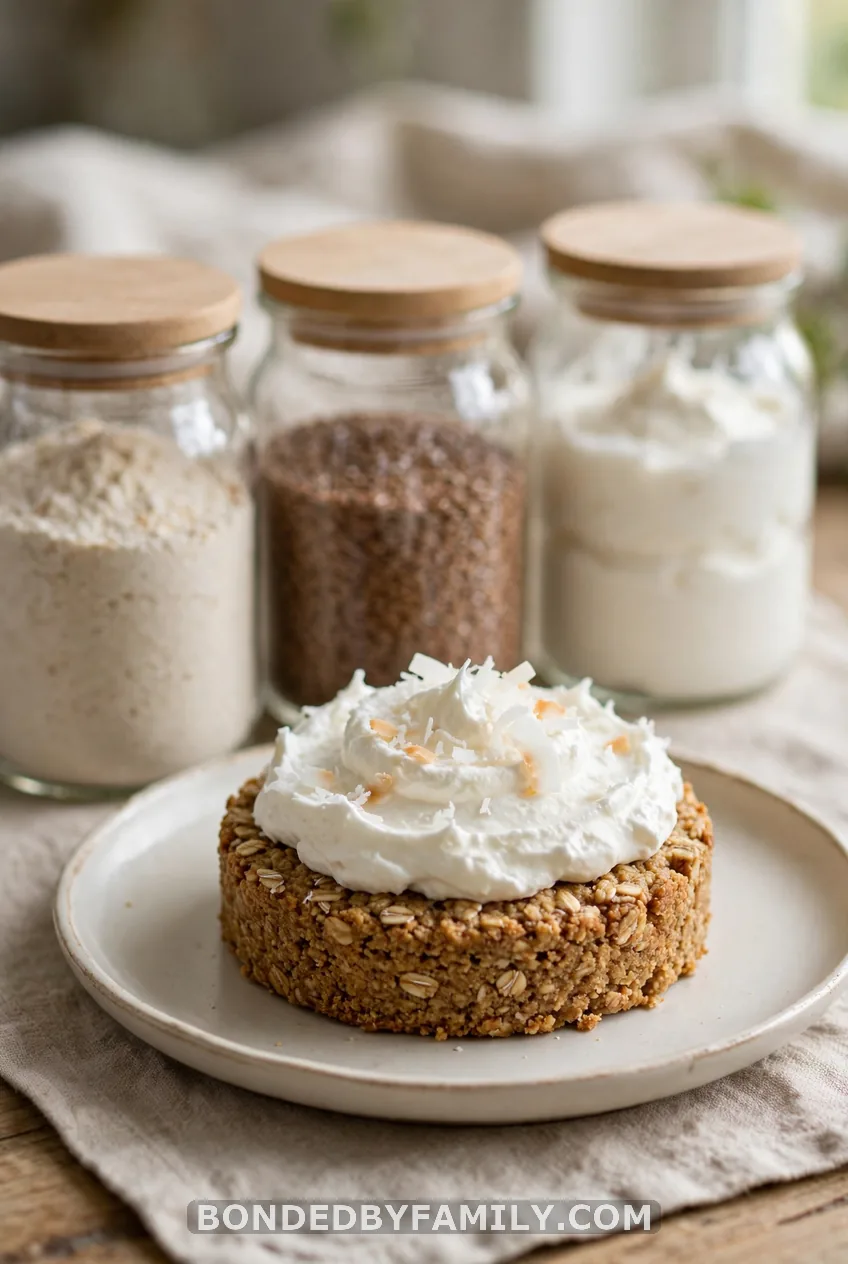
What most people think: an allergy-friendly cake is dry, sad, and tastes like cardboard.
Reality: it is a bit denser, and that is all. Babies do not mind.
Here is how to cover each allergy:
- Gluten-free: use certified gluten-free oat flour or a 1:1 gluten-free blend.
- Dairy-free: use oat or almond milk and coconut cream frosting.
- Egg-free: use a flax egg per egg.
- Nut-free: skip almond flour and use oat or whole wheat flour.
Read every label. Oats are often cross-contaminated with wheat.
10. Best Mini Cake for Just Baby
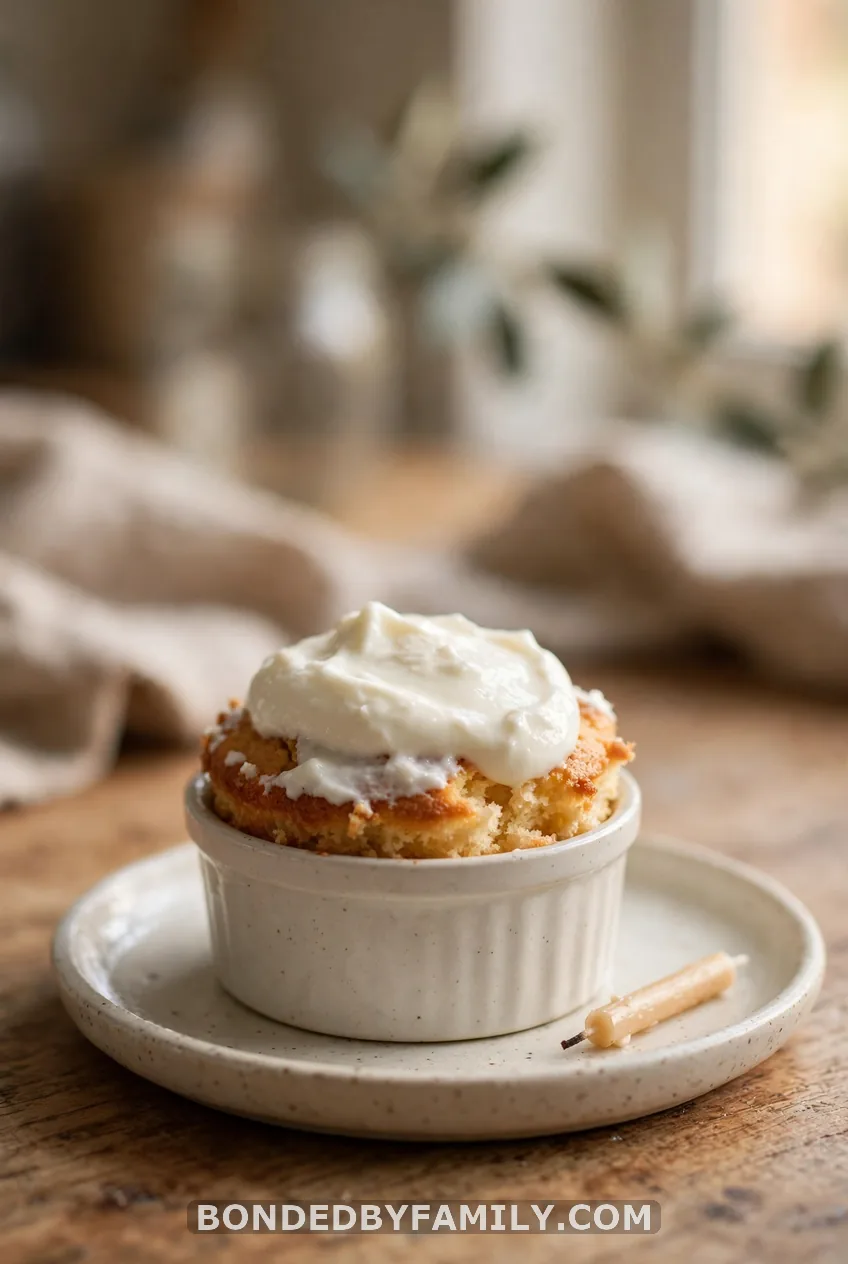
Bake the batter in two ramekins or one 4-inch pan. Use two tablespoons of frosting. Freeze leftover batter as muffins.
Frosting, Storage, and Swap Guide
The frosting guide
Pick your frosting by how warm the party will be:
- Greek yogurt: easiest, but it softens fast. Serve it soon after frosting.
- Coconut whipped cream: best dairy-free choice. It needs the overnight chill and cream of tartar.
- Cream cheese: richer and sturdier. Sweeten it with applesauce, not powdered sugar.
For color, use beet powder (pink), blue spirulina (blue), or fruit puree. Skip sprinkles.
Make-ahead timeline
Bake layers up to a month ahead. Cool, wrap tightly, and freeze them. Frost the layers while they are still cold for clean edges.
A frosted cake keeps in the fridge up to 3 days. Take it out 10 to 20 minutes before the smash. That is just enough time for baby to squish it easily.
Pan size and swap cheat sheet
- Pans: two 4-inch pans, one 6-inch pan, or an 8×8 square cut into rounds all work. Cupcakes bake in 15 to 18 minutes.
- Egg swaps: flax egg, aquafaba, or extra fruit puree. Expect a denser cake.
- Flour swaps: oat flour, whole wheat, or a 1:1 gluten-free blend all work cup for cup. Almond flour is richer and denser.
- Sweeteners: ripe banana gives the most sweetness. Applesauce is milder. Use maple syrup sparingly.
Healthy Smash Cake FAQ
What is a healthy smash cake?
It is a small baby-sized cake made with whole ingredients. Most are sweetened with banana or applesauce and frosted lightly with yogurt, coconut cream, or cream cheese.
What is the best healthy smash cake frosting?
Greek yogurt is the easiest. Coconut whipped cream is the best dairy-free pick. Keep both cold and serve them soon after frosting.
Can I make the cake ahead of time?
Yes. Bake and freeze unfrosted layers for up to a month. Thaw them in the fridge, frost while chilled, and keep the cake cold until serving.
Does a healthy smash cake need to be sugar-free?
No. Most parents aim for no added sugar or no refined sugar. If you use maple syrup, keep the amount small, and ask your pediatrician if you have questions.