Your kid just told you they want a sweet 16 party. Your brain went straight to venue rental costs. Stop right there. The best sweet 16 party activities cost almost nothing and beat a rented hall every time. Sixteen-year-olds don’t remember the venue. They remember the moment someone got a marshmallow stuck to their face during a game, or the photo booth shot where everyone’s making the same ridiculous pose. That’s the goal here: fifteen activities that turn a regular backyard or living room into the party your teen keeps talking about for years.
1. Backyard Olympics
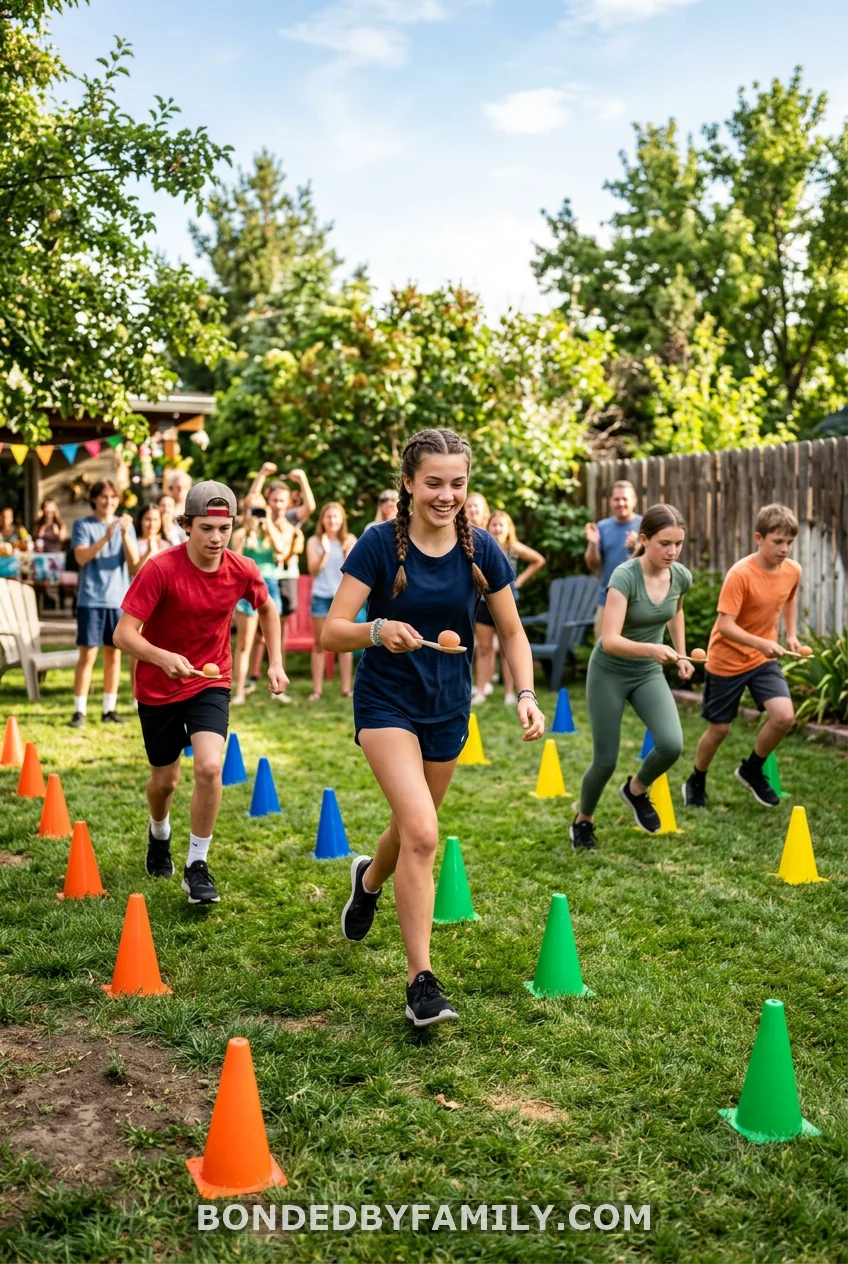
Split guests into teams of three or four. Run classic events back to back: egg-and-spoon relay, sack race, water balloon toss, tug of war. Hand out medals or ribbons at the end (a dollar store find). The whole setup costs under $20 and fills two hours without a single lull. Teens who claim they’re “too old” for games get competitive within the first five minutes. Every time.
2. DIY Mocktail Bar
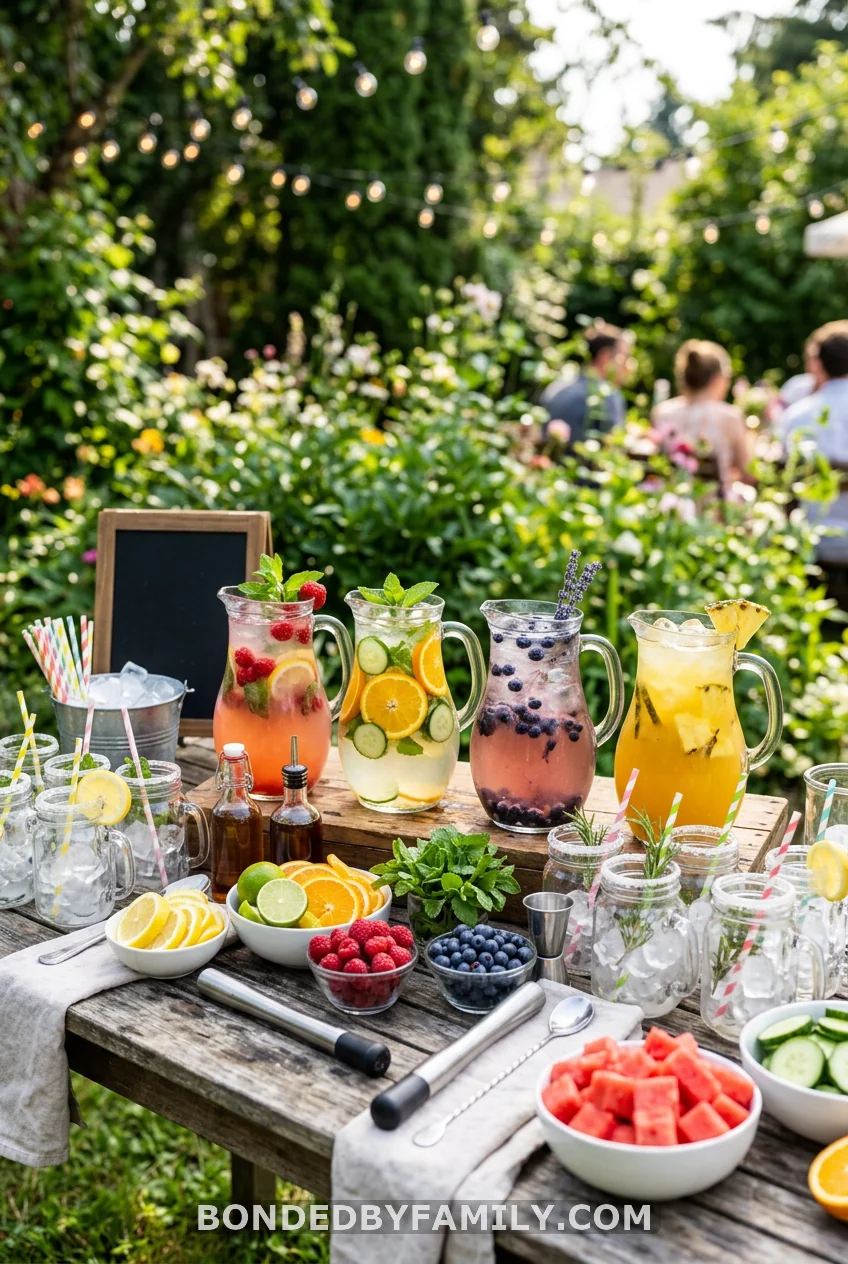
Set out sparkling water, fruit juices, and fresh fruit garnishes on a table. Let guests build their own drinks. Add a chalkboard sign with two or three “recipe” combos to get them started. Ten minutes of setup, zero supervision needed after that.
3. Escape Room Challenge at Home
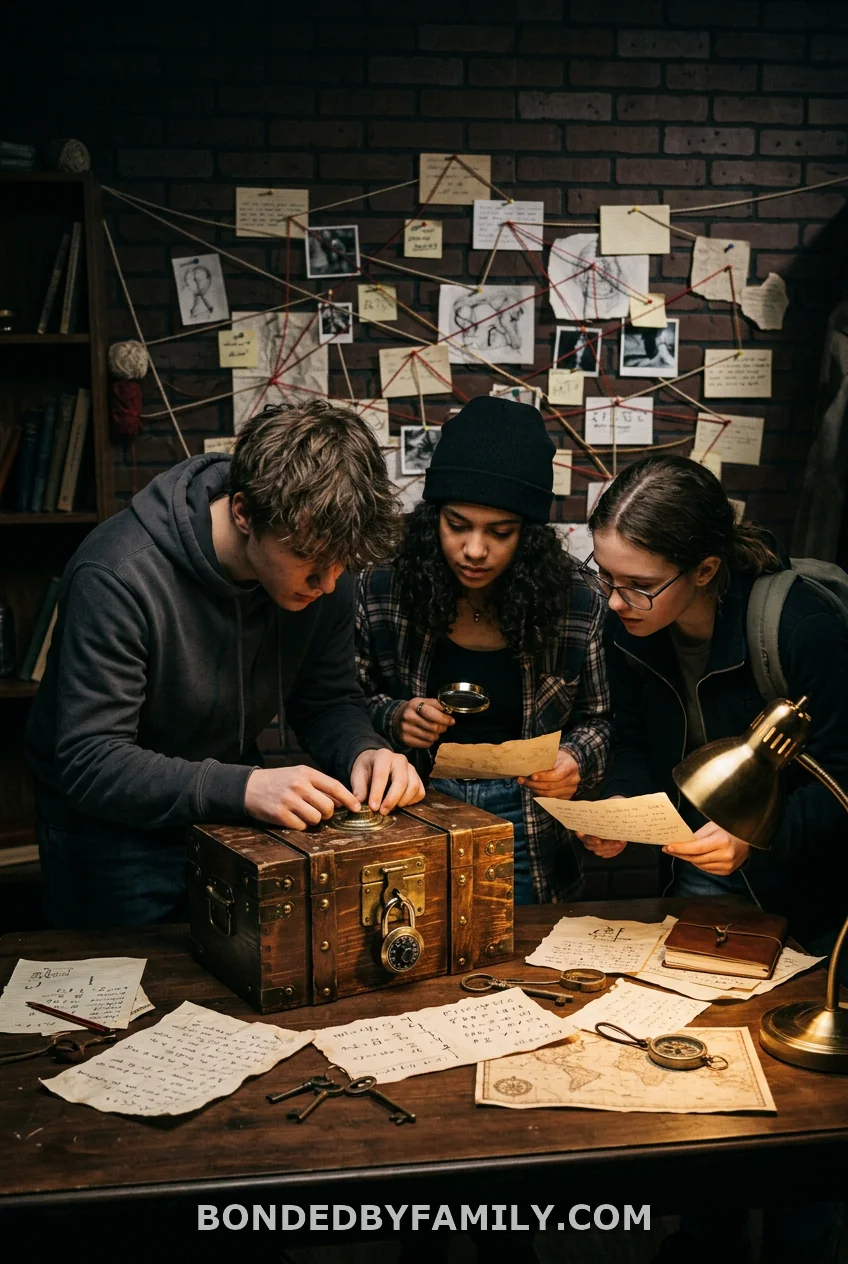
This is the activity that gets talked about at school on Monday. An at-home escape room turns any spare room into an hour-long experience, and it works for groups of six up to twenty if you split them into competing teams.
Why It Works
Sixteen-year-olds want to feel like the party trusts them with something harder than pin-the-tail games. A puzzle room does that. It also solves the “what do we do for the next hour” problem in one shot, since a well-built room runs 45 to 75 minutes on its own.
Room Themes That Fit This Age
Skip the kid-coded themes like pirates or dinosaurs. Go with a heist, a “trapped in detention” scenario, or a locked-diary mystery tied to a missing person. Printable kits built around these themes run $15 to $25 on Etsy, or you can build your own with index cards and a padlock.
Step-by-Step Setup
- Pick one room, ideally with a door that locks or can be blocked off.
- Choose a three-clue chain: each clue leads to the next, and the final clue opens a locked box.
- Buy two or three combination padlocks (around $8 each) and set each to a three-digit code tied to a clue.
- Hide clues inside envelopes taped under furniture, inside books, or folded into origami shapes.
- Write one “red herring” clue that looks important but leads nowhere. This slows down the fastest team and keeps things close.
- Set a 60-minute timer visible in the room. Pressure makes the game.
- Stock a “hint jar” with three folded hints the group can request if they’re stuck for more than 10 minutes.
Materials and Costs
Three combination padlocks: roughly $24 total. A printable puzzle kit: $15 to $25, or free if you write your own clues. A lockbox or decorative chest to hold the final prize: $10 to $15 from a craft store. Total spend lands between $50 and $65 for a room that entertains 15 to 20 teens for a full hour.
Common Mistakes
Don’t make the first clue too hard. Groups that stall in the first five minutes lose interest fast, so the opening clue should be solvable in under two minutes to build momentum. Don’t skip a test run. Have one sibling or friend walk through the whole chain before the party to catch any clue that has no real solution. And don’t forget the hint jar. Watching a team spiral in frustration for 20 minutes kills the energy for the rest of the party.
Pro Move
Tie the final prize to something guests keep, like a photo strip printout or a small charm. Solving the room feels better when there’s a tangible payoff waiting at the end.
4. Tie-Dye Station
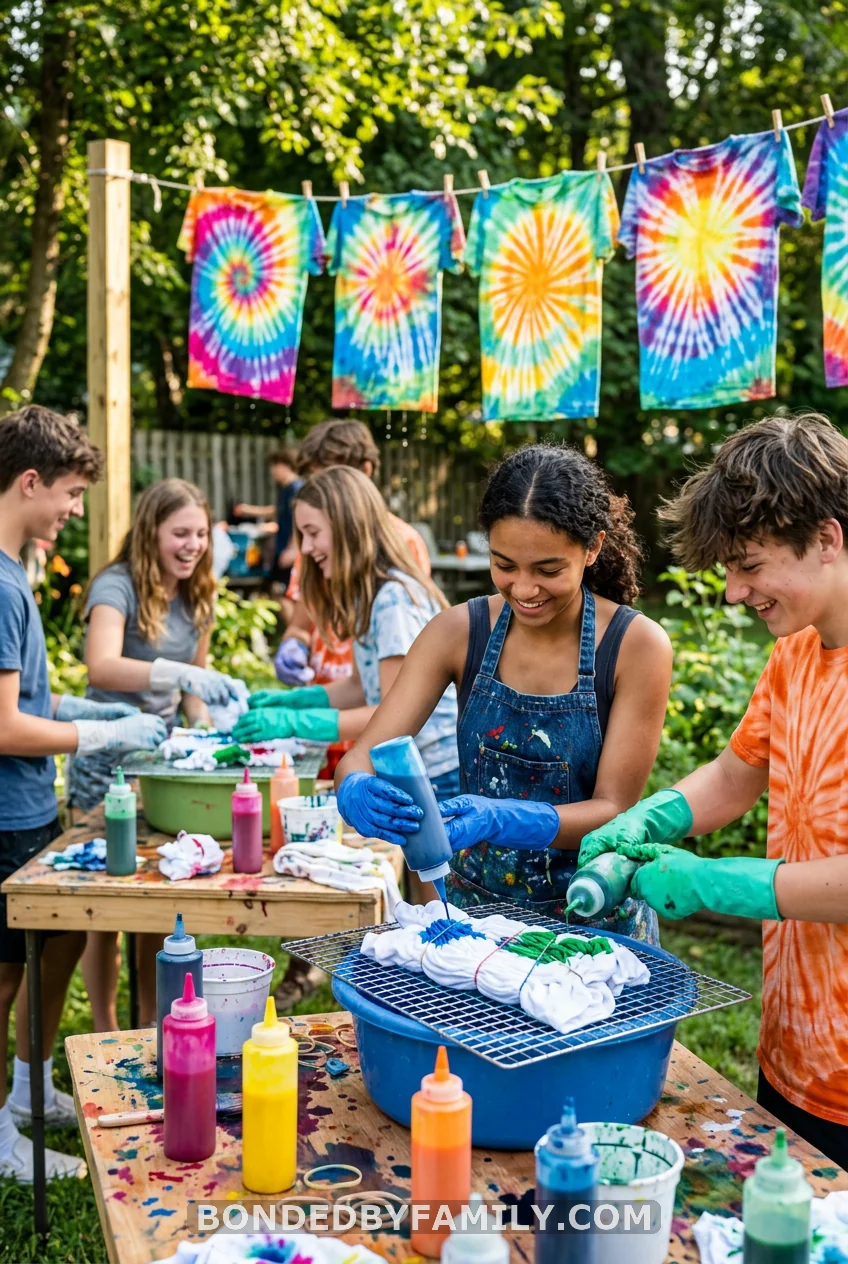
Buy plain white t-shirts or bandanas in bulk and a tie-dye kit (around $12 for enough dye to cover 15 shirts). Each guest twists their own shirt and takes it home as a party favor. Set this up outside. Dye stains anything it touches.
5. Karaoke Battle
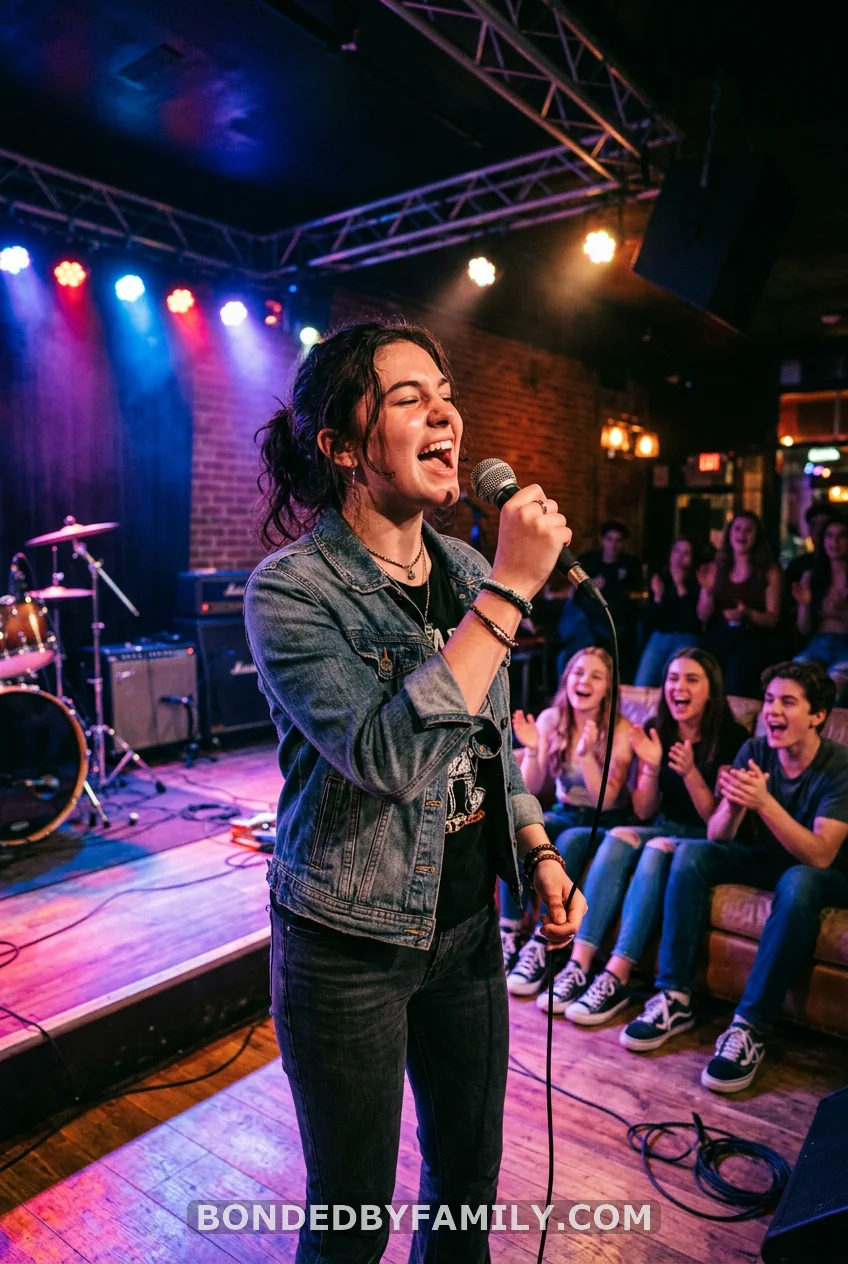
A karaoke app on a smart TV replaces a rented machine for free. Split guests into teams and score each performance out of 10. Add a “mystery song” round where nobody knows the track until it starts playing. The scoring is what makes this stick. Without it, karaoke turns into three confident kids singing and everyone else scrolling on their phones.
6. Glow-in-the-Dark Games
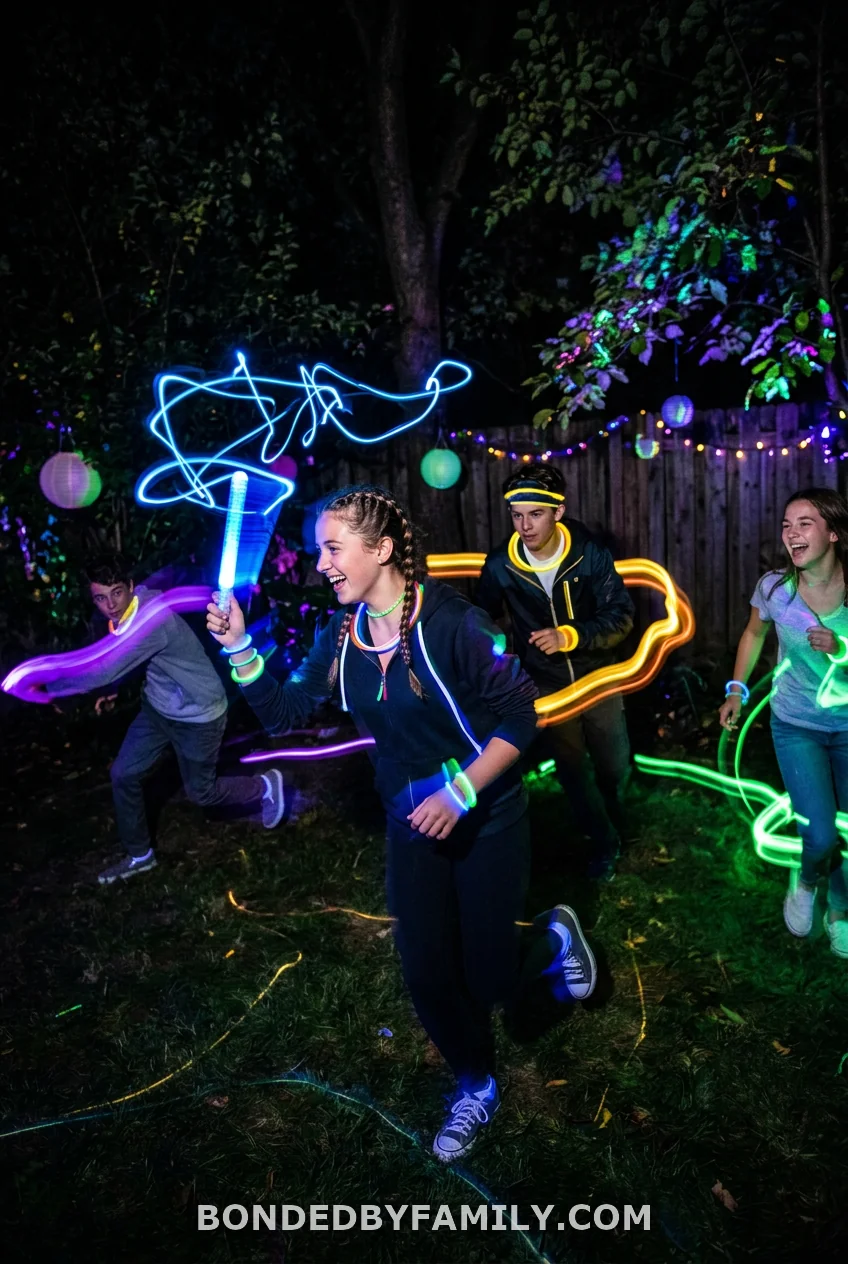
Turn off the lights, hand out glow sticks, and run a game of tag or capture the flag after dark. Glow-in-the-dark bracelets run about $10 for a pack of 100. Add a blacklight bulb in an outdoor socket for around $8, and the whole yard turns into a different kind of party after sunset.
7. Photo Booth with a DIY Backdrop
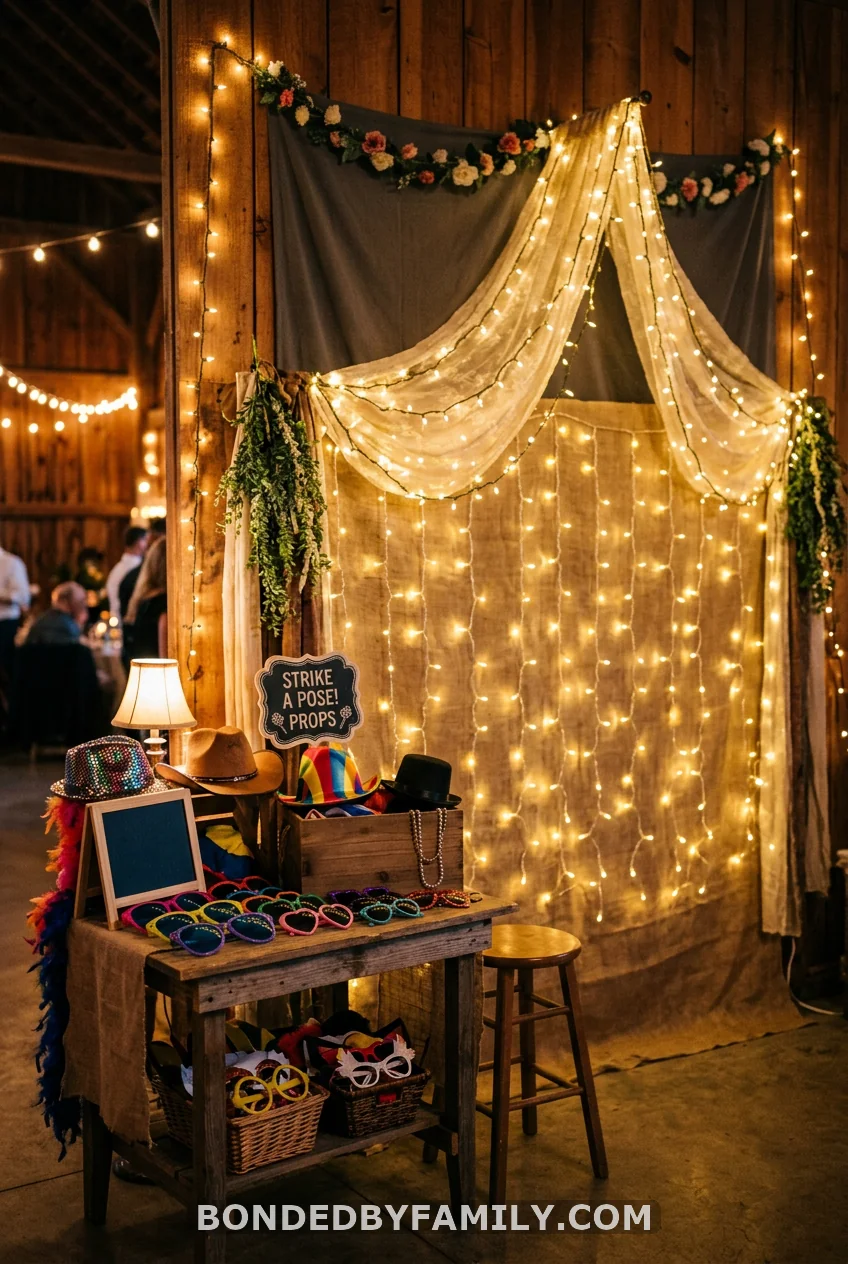
Hang string lights or fringe curtains against a blank wall. Set out a basket of sunglasses, hats, and cardboard cutout props. A phone on a tripod does the job a rented photo booth used to do, minus the $300 rental fee.
8. Silent Disco
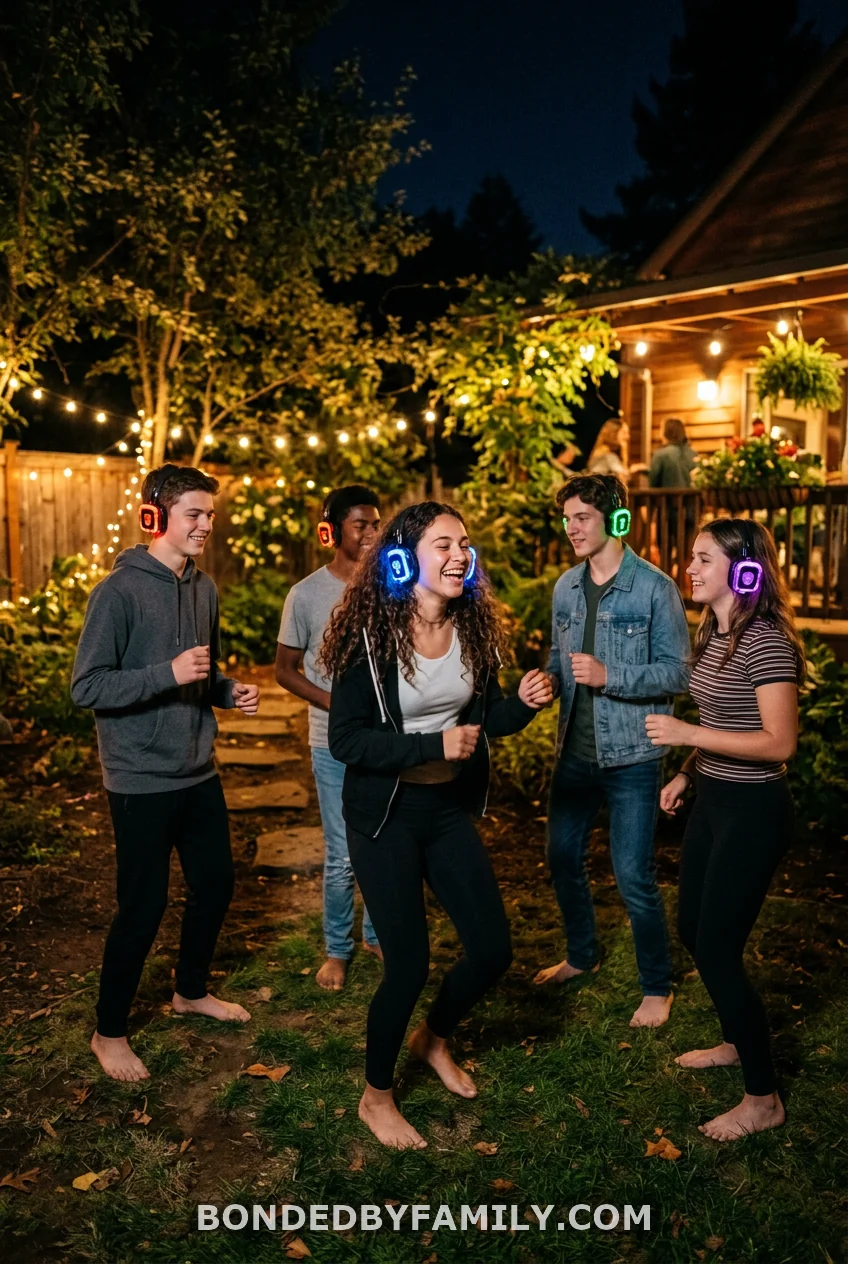
Rent wireless headphones for a night (roughly $8 to $12 per set from a local party supplier) and split the group into two music channels, one pop and one hip-hop. The room stays silent to anyone without headphones on, which turns into its own running joke of the night. Neighbors don’t hear a thing, which matters if the party runs past 10 p.m.
9. Murder Mystery Night
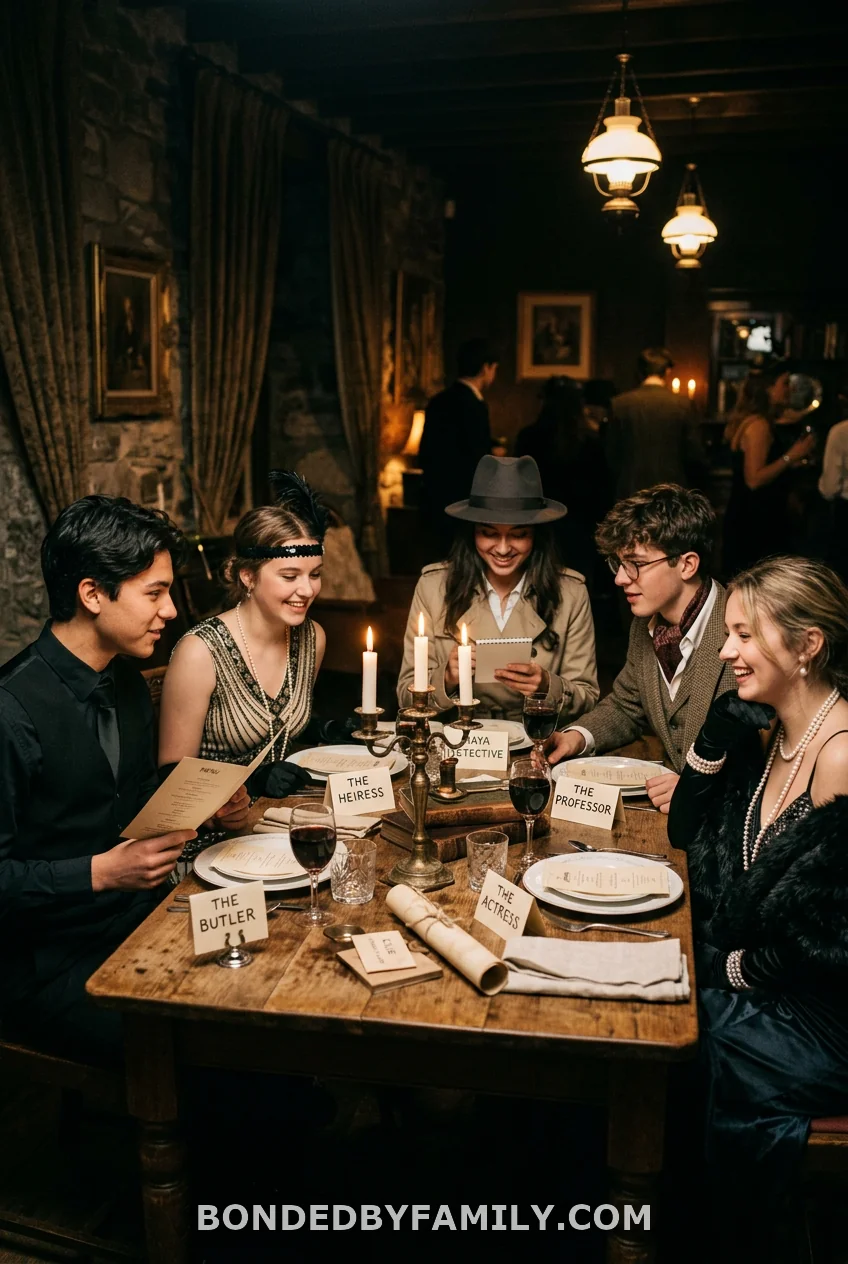
What most parents think: a murder mystery party means hiring an actor, buying an expensive kit, and hoping teenagers take it seriously instead of laughing through the whole thing.
The reality: printable murder mystery kits for teen groups run $10 to $20 and include everything needed, character cards, a script, and clue sheets. Assign each guest a character an hour before the party, so they have time to read their backstory. The “laughing through it” part isn’t a failure. It’s the actual fun. Half the enjoyment comes from watching a normally quiet friend commit fully to playing a dramatic suspect. Groups of 8 to 16 work best, since smaller groups run out of suspects too fast and larger ones get chaotic without a moderator keeping the story on track.
10. Movie Night Under the Stars
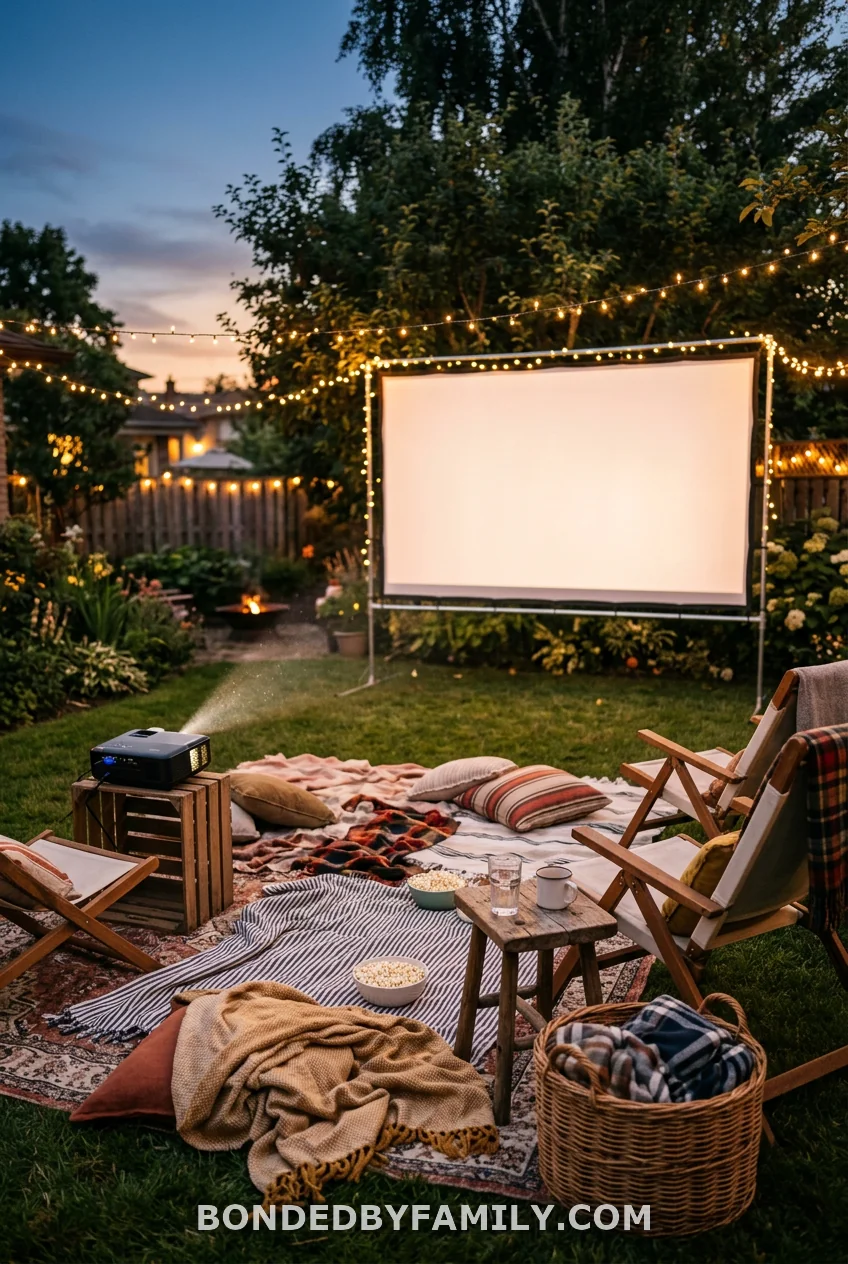
A projector and a bedsheet stretched between two trees replace a movie theater rental. Add blankets, pillows, and a popcorn bar. Renting a projector for one night runs about $25 if you don’t already own one.
11. Spa Night Stations
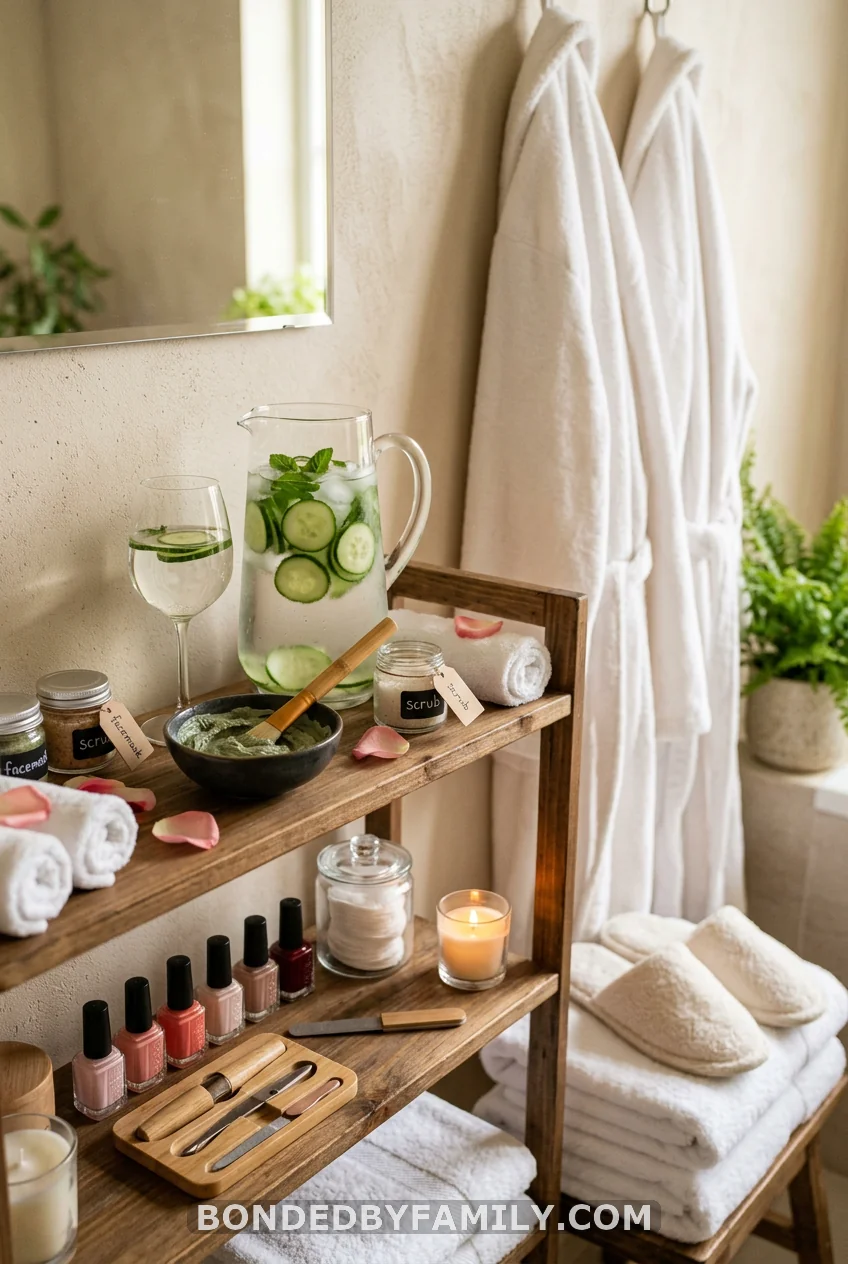
Set up three stations: face masks, nail polish, and a smoothie or infused-water bar. Buy a variety pack of sheet masks (around $15 for 20) and a basket of nail polish colors from a dollar store. Guests rotate between stations every 20 minutes instead of everyone crowding one table at once.
12. Cookie or Cupcake Decorating Bar
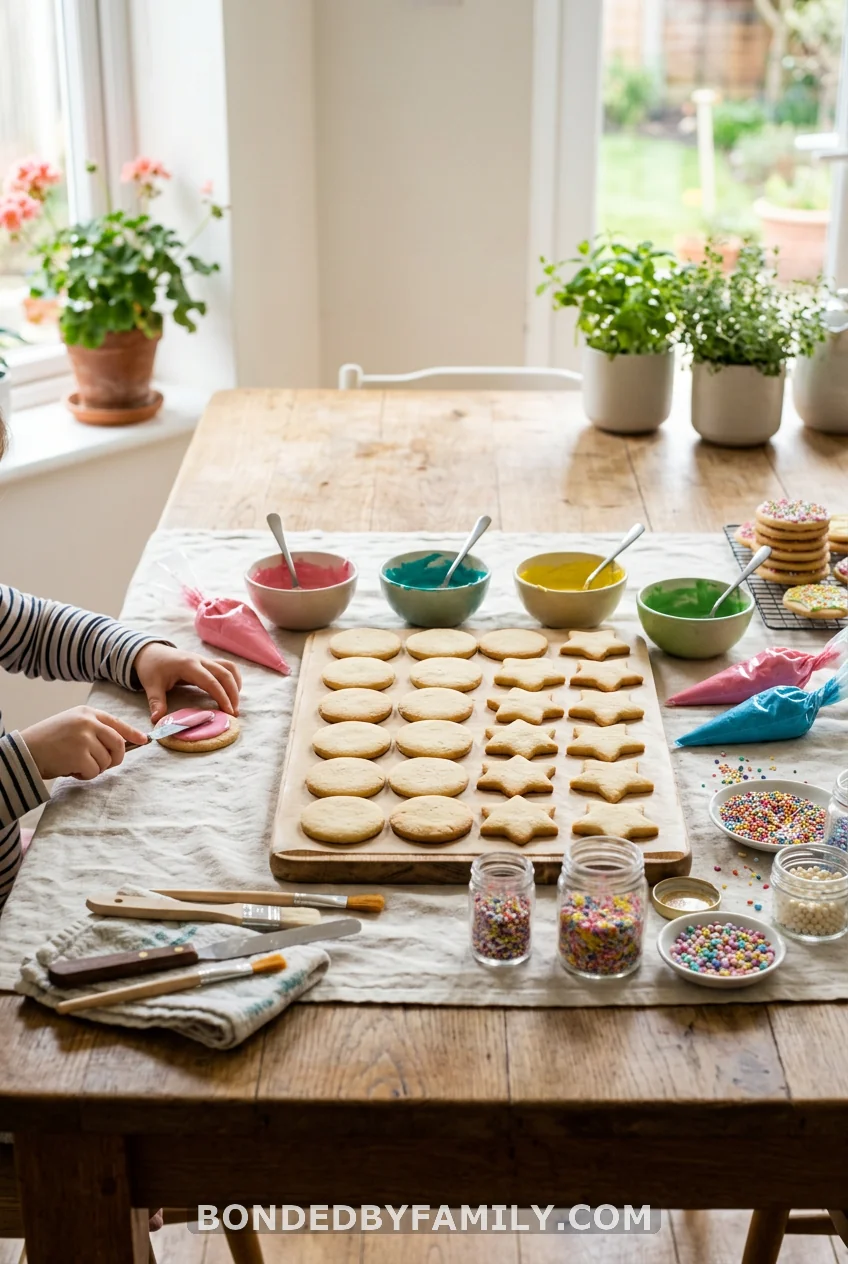
Buy plain sugar cookies or cupcakes, then set out bowls of icing, sprinkles, and small candies. Each guest decorates their own and eats the results. This works as a filler activity between bigger games, since it needs almost no setup and keeps hands busy during a lull.
13. Scavenger Hunt With a Twist
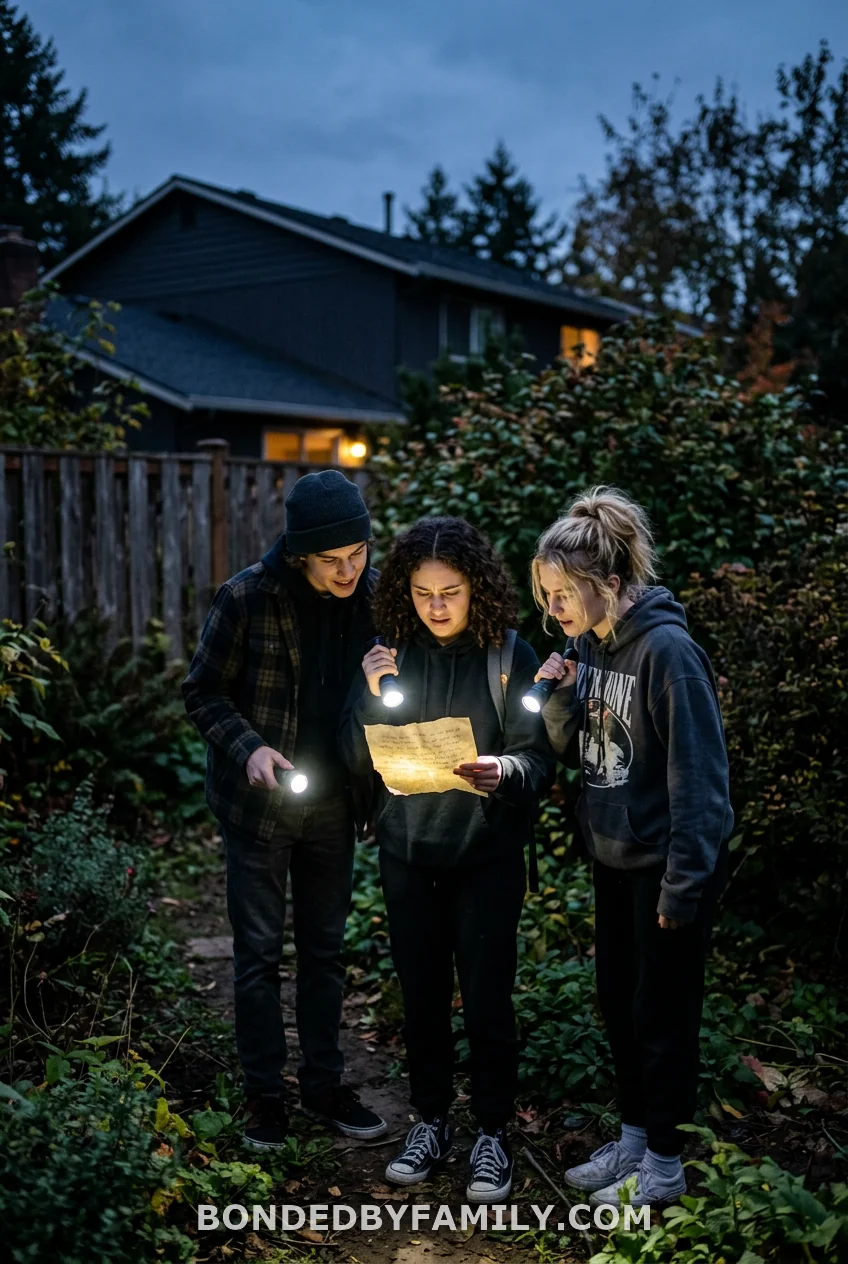
Skip the standard object list. Build the hunt around photo challenges instead: guests find a location or item, then take a themed photo there before moving to the next clue. Split into teams of three or four and set a 30-minute time limit. The photos double as party content for a group chat afterward, which keeps the party’s energy going well after everyone goes home.
14. Axe Throwing or Trampoline Park Outing
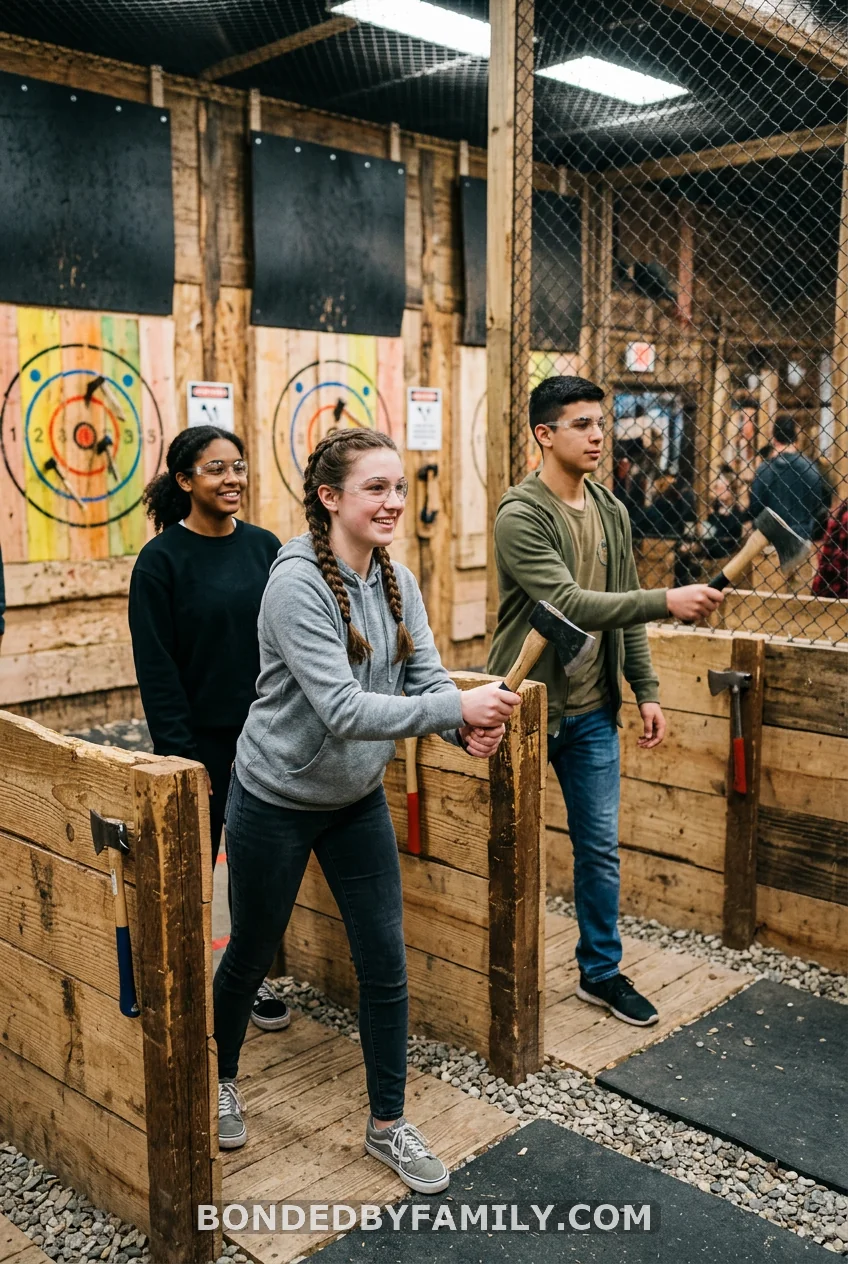
For groups who want to leave the house, axe throwing venues run party packages around $25 to $35 per person and include coaching and safety gear. A trampoline park group rate is usually cheaper, usually $15 to $20 per person for an hour. Both solve the entertainment problem without any setup on your end.
15. Build-Your-Own Playlist Battle
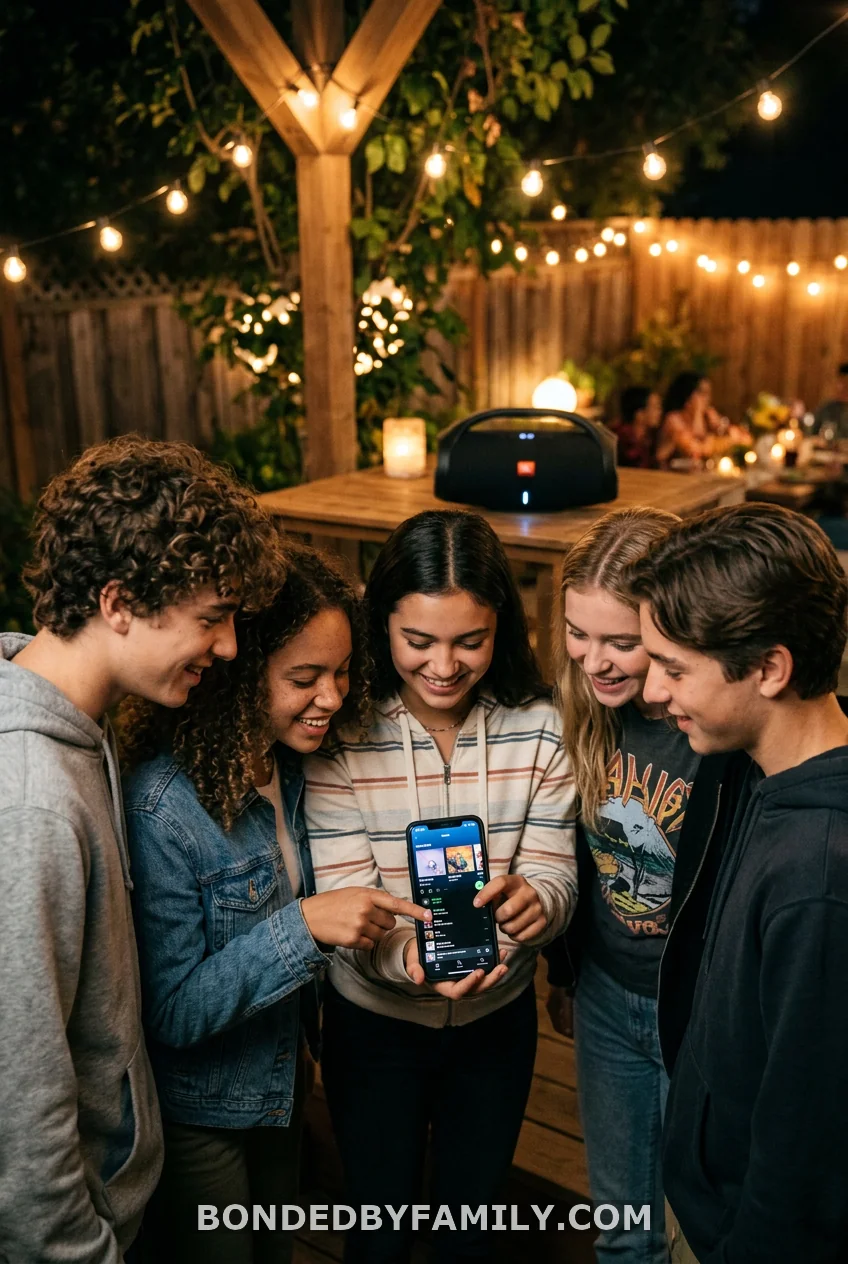
Split guests into two teams. Each team gets 15 minutes to build a five-song playlist around a theme, like “songs from the year the birthday guest was born” or “guilty pleasure hits.” Play both playlists back to back and vote on the winner. This one needs zero supplies beyond a phone and a speaker, and it fills time between bigger activities without feeling like a placeholder.
How to Choose the Right Mix
Don’t run all fifteen. Pick four or five based on group size and how much your teen wants to move around. A group under 10 does better with the escape room, murder mystery, and spa stations, activities that reward smaller, closer groups. A group over 15 needs backyard olympics, scavenger hunts, and silent disco, activities built for constant motion and noise. Budget also matters: five of the ideas above (mocktail bar, tie-dye, photo booth, cookie decorating, playlist battle) run under $20 total, so pair one bigger-ticket activity with two or three free ones instead of trying to do everything at once.
Frequently Asked Questions
How much should a sweet 16 party at home cost?
A home-based sweet 16 with four or five of these activities typically runs $100 to $250 total, depending on group size and how many supplies you already own.
What activities work for a mixed group of guys and girls?
Backyard olympics, escape rooms, scavenger hunts, and murder mystery nights all work well for mixed groups, since none of them lean toward a single gender’s interests.
How many activities does a three-hour party need?
Plan for four to five activities for a three-hour party. One longer anchor activity, like the escape room or murder mystery, plus two or three shorter ones keeps the pace moving without rushing.
What if it rains and the party was planned outdoors?
Karaoke, the escape room, cookie decorating, spa stations, and the movie night all move indoors without losing anything. Keep at least two indoor-friendly activities as backup regardless of the forecast.
Do these activities work for a smaller group of five or six friends?
Yes. Smaller groups do better with the escape room, murder mystery night, and spa stations, since those activities depend on close interaction rather than large-crowd energy.