Walk into any toddler room on a Monday morning, and you’ll spot it right away. A bulletin board covered in curling paper, a border that’s peeling at the corner, decorations picked for the teacher’s Pinterest board instead of the kids standing in front of it.
Daycare bulletin board ideas for toddlers work best when you stop designing for the parents at pickup and start designing for the two-year-old at eye level. Toddlers don’t read captions. They touch, they point, they pull.
By the end of this list, you’ll have eleven board ideas that survive sticky fingers, cost less than a pizza night, and get noticed by the tiny humans they’re meant for.
1. The Cubby Photo Welcome Wall
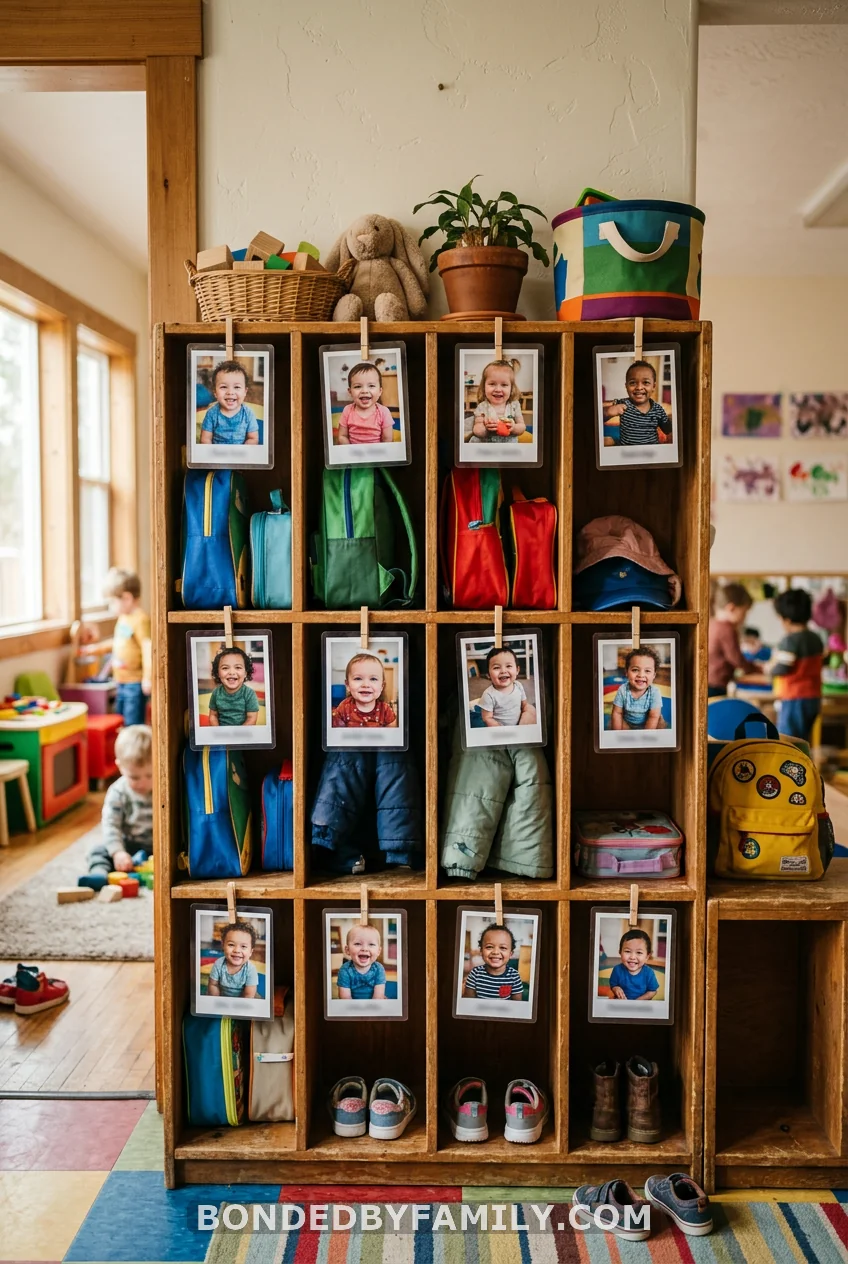
Print a small photo of each child and glue it to a colorful shape near their cubby. That’s it. Toddlers recognize faces long before they recognize their own name in print, and a photo wall turns a boring hallway into a spot where every kid pauses to find themselves. Swap photos twice a year as faces change.
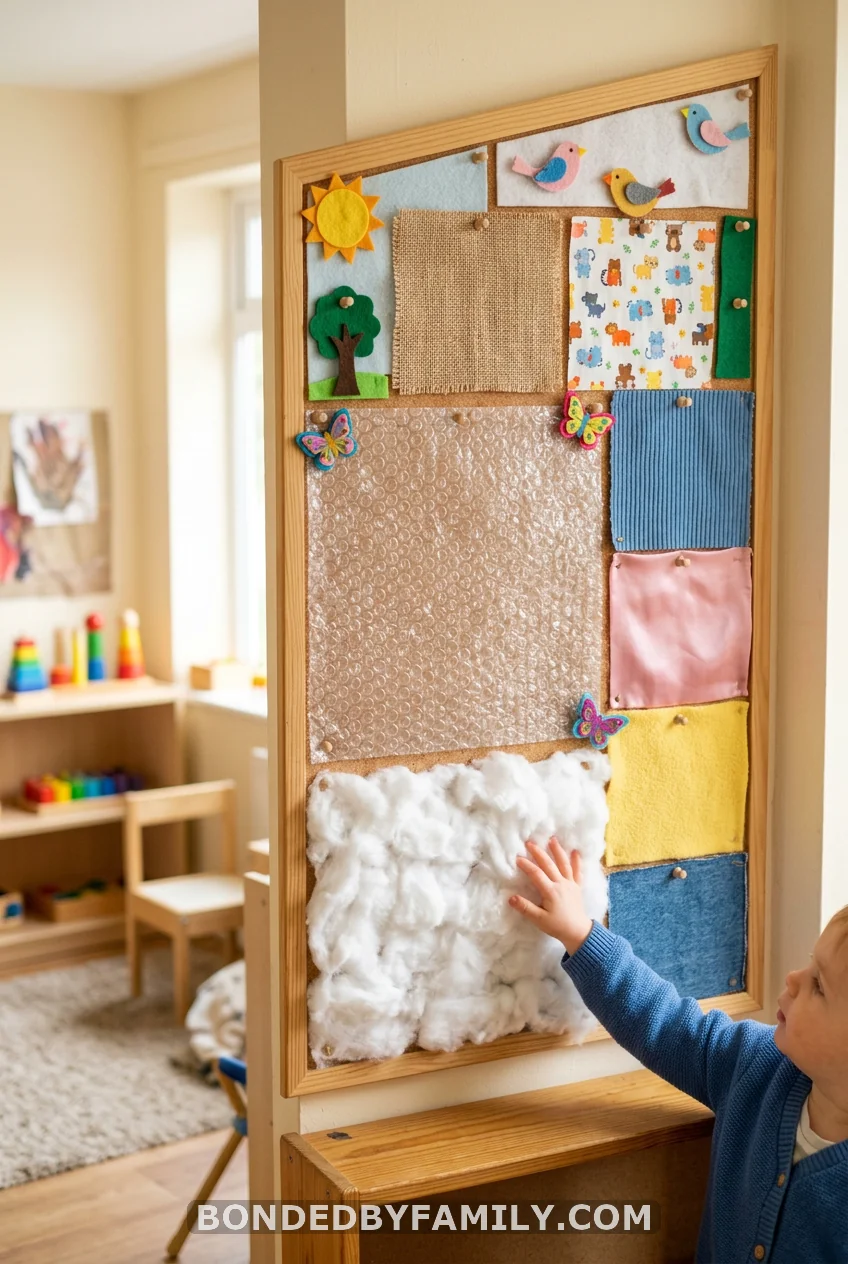
2. The Texture Touch-and-Feel Story Wall
Why This Works
Toddlers between 18 months and 3 years are still building the neural pathways that connect touch to language. A board they can press, stroke, and squeeze does more for sensory development than a laminated poster ever will. Occupational therapists who work with this age group point to hands-on textured surfaces as one of the lowest-cost tools for building tactile discrimination, the skill that later helps kids tell a crayon from a marker by feel alone.
Dimensions and Setup
Mount the board low. Toddler eye level runs roughly 24 to 30 inches off the floor, well below where most standard classroom boards get hung. Aim for a board that spans 36 to 48 inches wide and 24 to 30 inches tall so kids can reach every panel without a stool.
Materials and Costs
- Cork or foam board backing: $6 to $10
- Fabric scraps (felt, corduroy, faux fur): often free from a scrap bin, or $5 for a bundle
- Bubble wrap, sandpaper squares, and a swatch of bath mat: $3 to $5
- Hot glue and a low-temp glue gun: $8 if you don’t already own one
Total cost lands between $12 and $23, depending on how much you already have on hand.
Step-by-Step Build
- Cut your foam or cork backing to size and mount it at toddler eye level.
- Divide the surface into six to eight sections using painter’s tape as a guide.
- Cut each texture material to fit one section.
- Glue the edges down firmly, leaving a slightly raised center so little fingers can grab and press.
- Label each section with one short word (soft, bumpy, rough) in large lowercase letters, since toddlers see lowercase in books more than they see capitals.
- Test every panel yourself first. If a corner lifts under light pressure, add more glue before a toddler finds that loose edge with their mouth.
Common Mistakes to Avoid
Skipping the low-temp glue gun and reaching for a hot one instead is the most common slip. A standard glue gun runs around 380°F, hot enough to burn a small hand that presses too fast. Low-temp guns run closer to 250°F and hold fabric and foam just as well for a board that gets gentle daily touching rather than heavy pulling.
Pro Move
Rotate one panel every few weeks instead of rebuilding the whole board. Toddlers notice change fast, and a single new texture keeps the board fresh without the cost or time of a full teardown.
3. The Weather Wheel
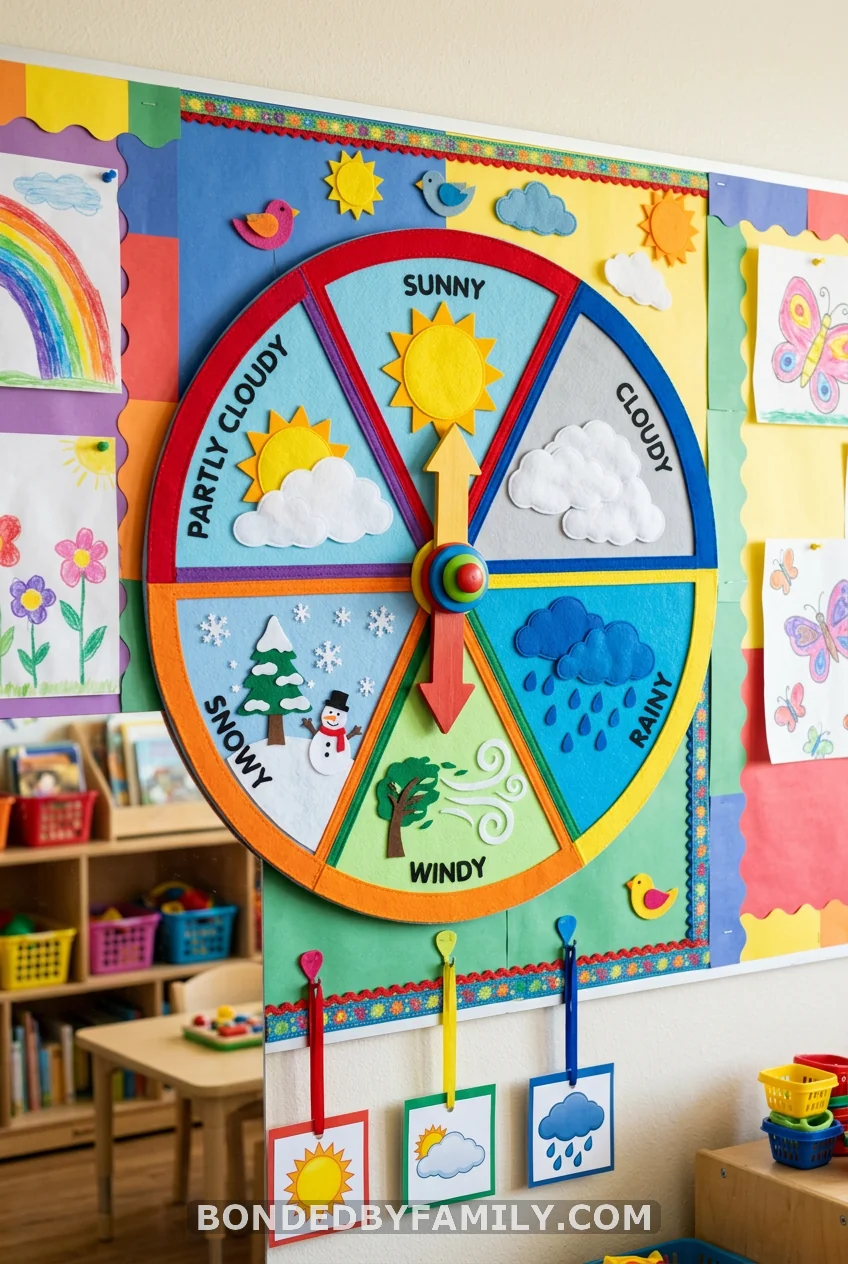
A paper plate spinner with a sun, cloud, and raindrop glued around the edge, plus an arrow brad in the middle, turns a daily routine into a board toddlers ask to touch. Point at the window, then let a child spin the arrow to match. Costs under $3 in paper plates and brads.
4. The All About Me Mirror Corner
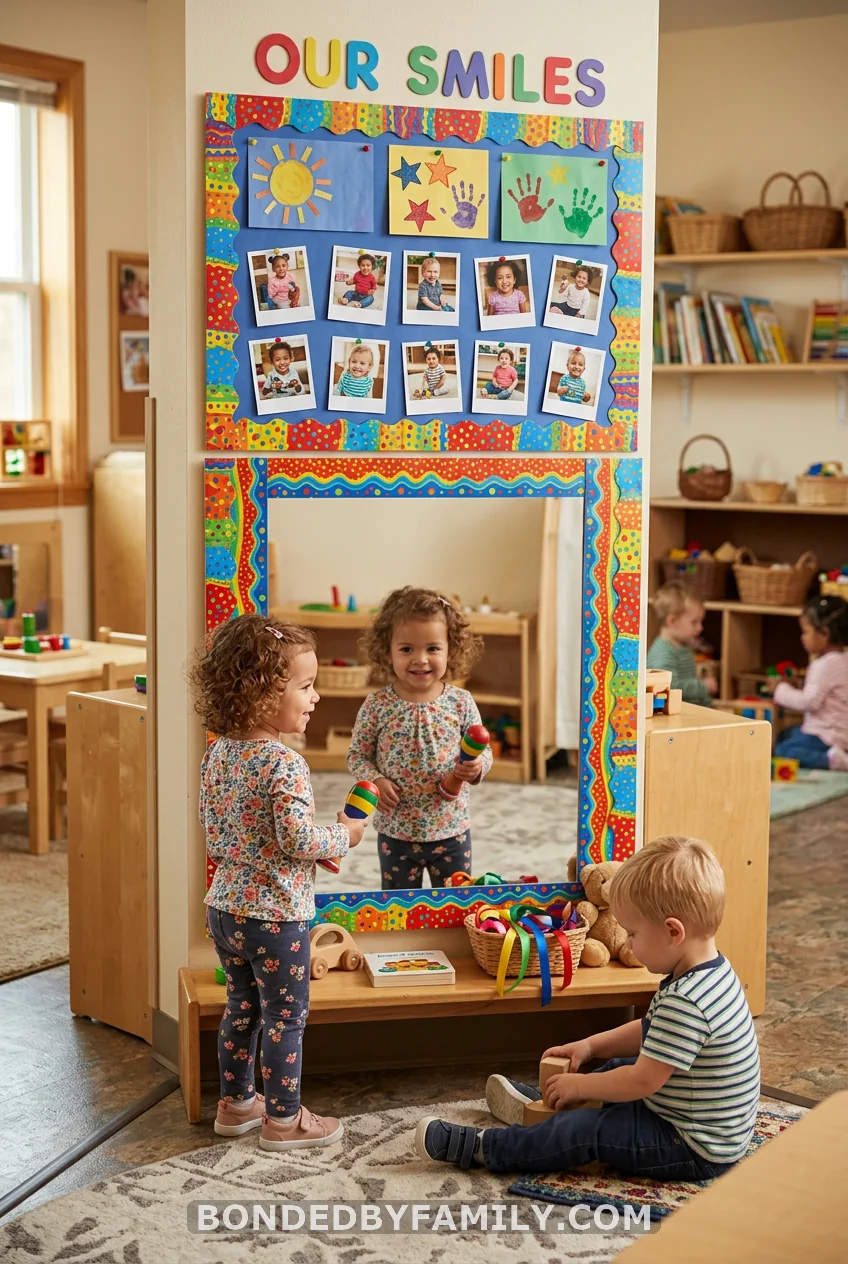
Mount an unbreakable acrylic mirror at toddler height and border it with a bright frame. Toddlers are deep in the stage of recognizing themselves, and a mirror board turns every walk past it into a small moment of self-discovery. Add a few laminated cards with basic feeling faces nearby so teachers can point and name emotions in the moment.
5. The Nature Finds Nook
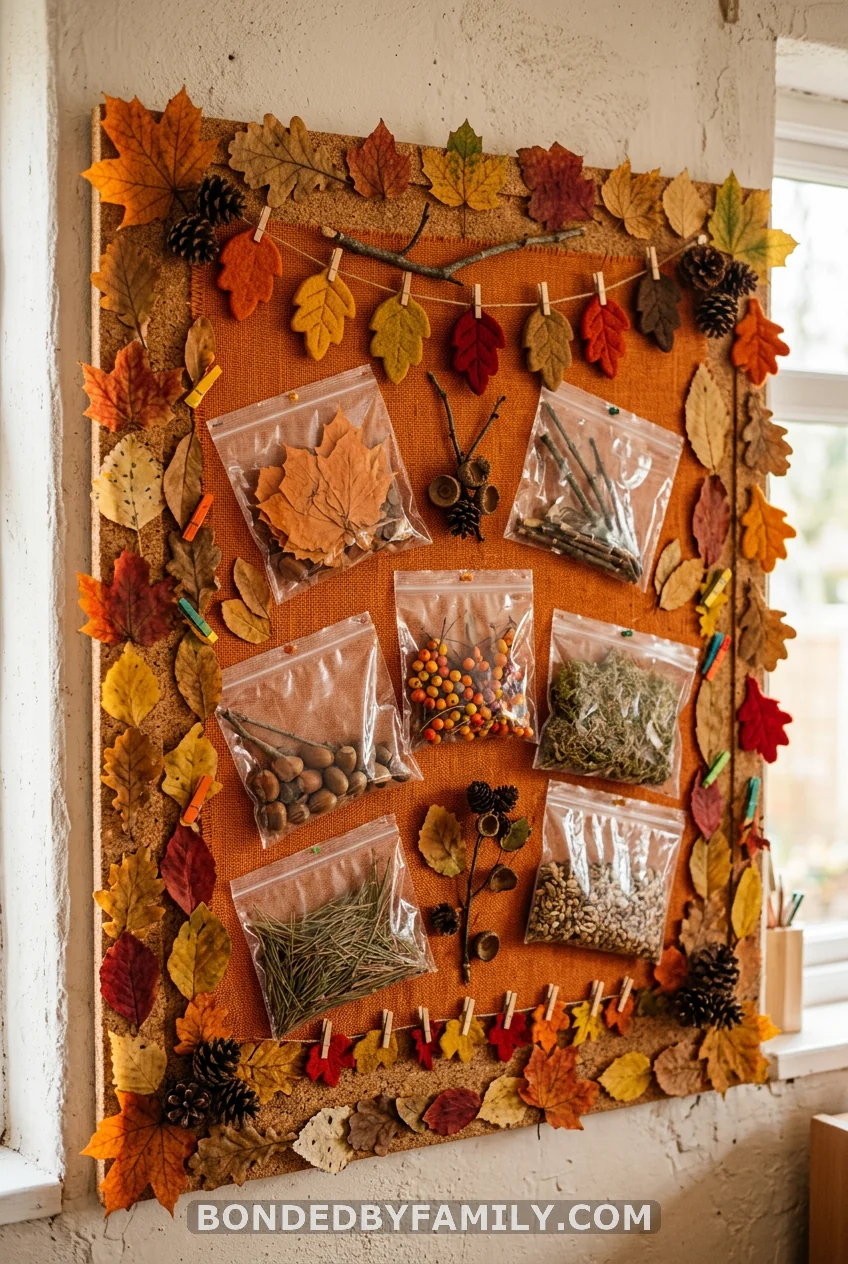
Staple small clear vinyl pockets to a burlap-covered board and let kids drop in leaves, acorns, or smooth stones they find on the playground. The board changes with the season for free, and toddlers love the small act of putting something in and pulling it back out.
6. The Parent Pocket Chart
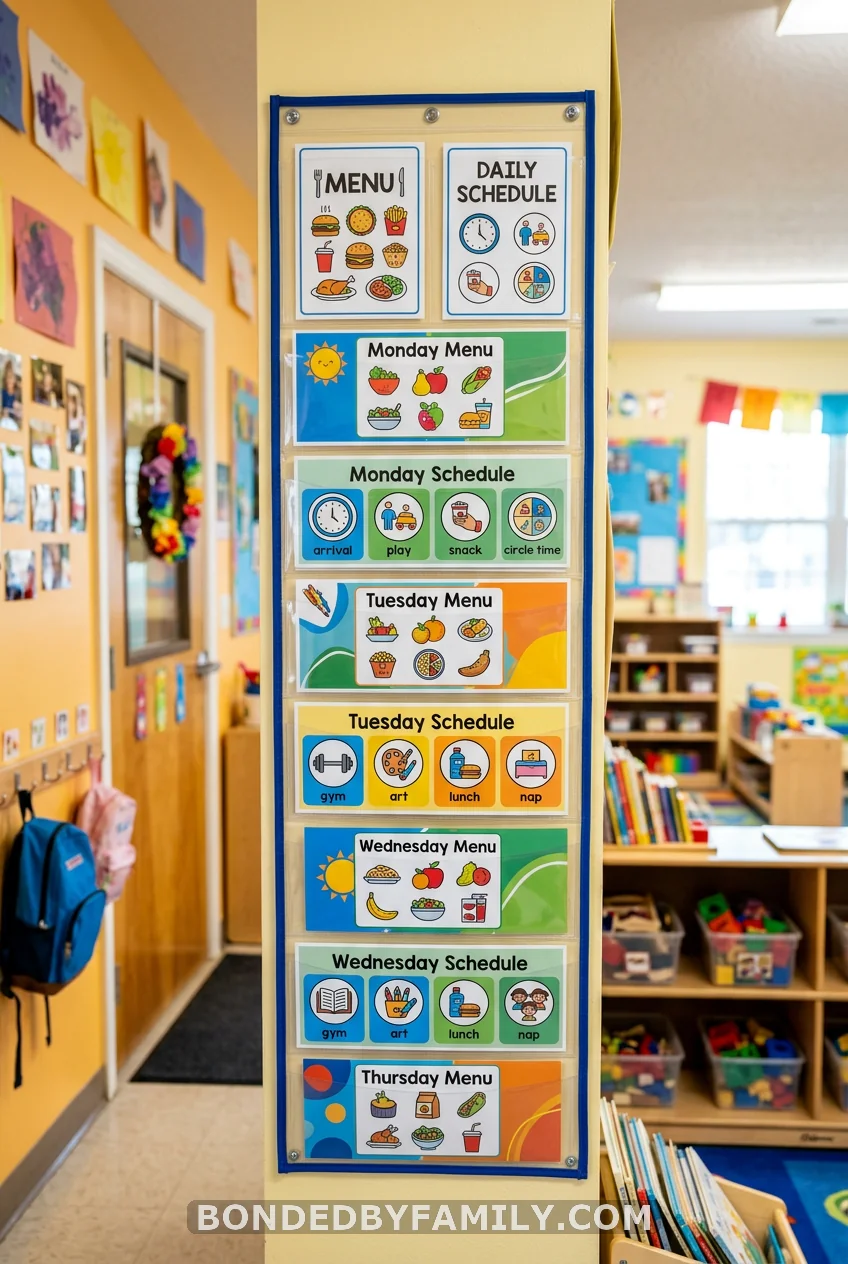
Hang a clear over-the-door pocket organizer near the entrance and slot in the day’s menu, nap schedule, and any notices. Parents scan it in three seconds flat during a rushed pickup, and it costs less than $10 at most discount stores.
7. The Birthday Cloud Countdown
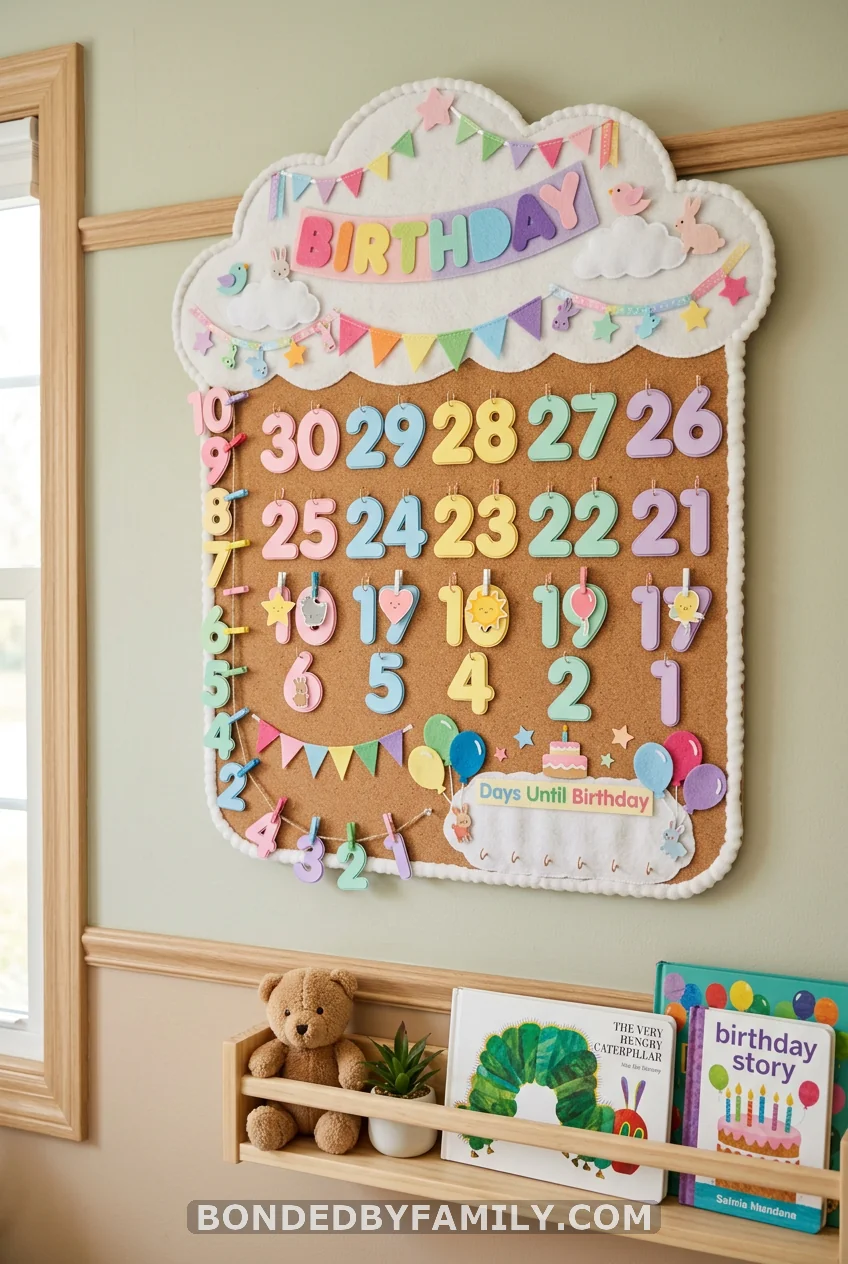
Cut a large fluffy cloud shape and pin a small numbered raindrop for each day until the next birthday. Toddlers can’t read a calendar yet, but they can watch a stack of raindrops shrink, which makes the wait feel real and countable.
8. The Color Match Pocket Board
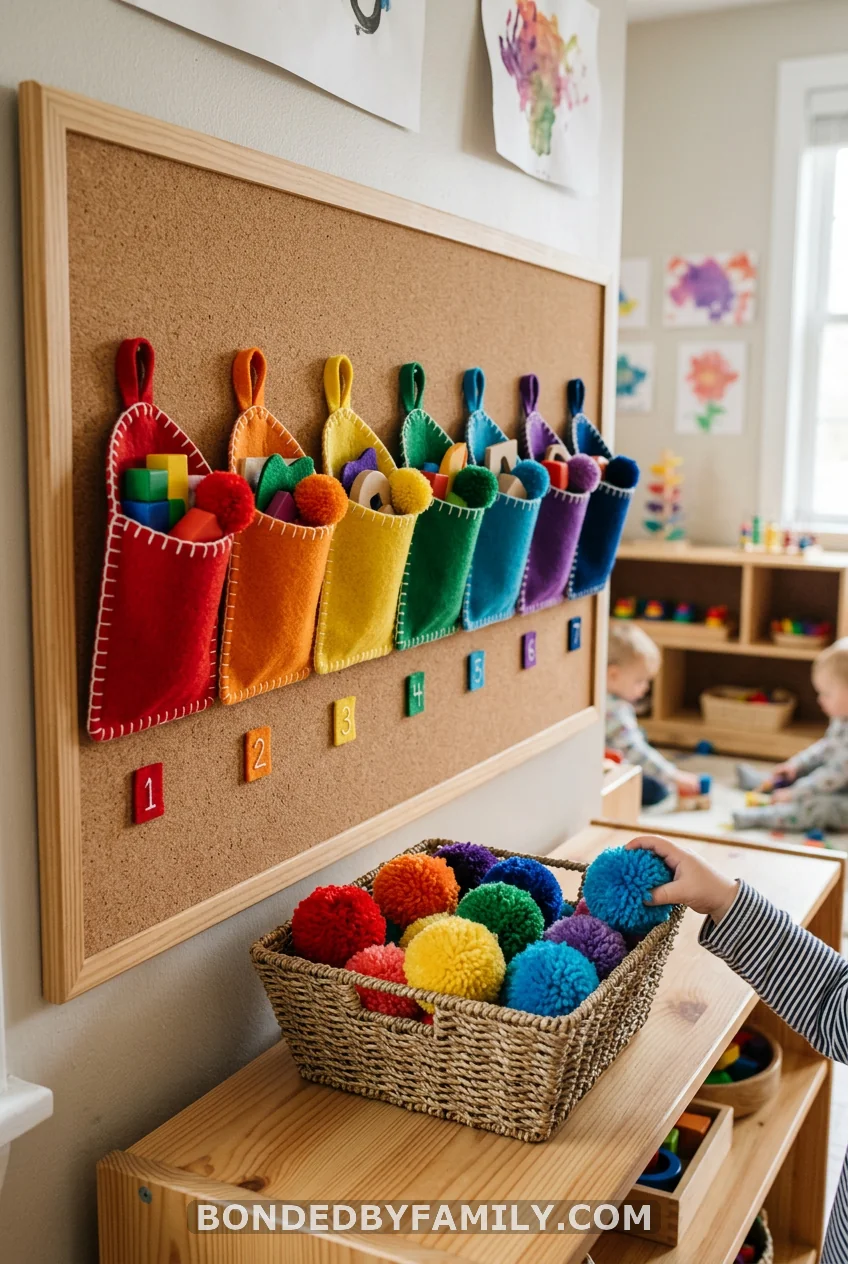
Glue six or seven colored felt pockets in a row and give kids a basket of matching colored pom-poms to sort and drop in. This one doubles as an independent activity station, not just decoration, and it costs under $10 in felt and a bag of craft pom-poms.
9. The Family Photo Garden
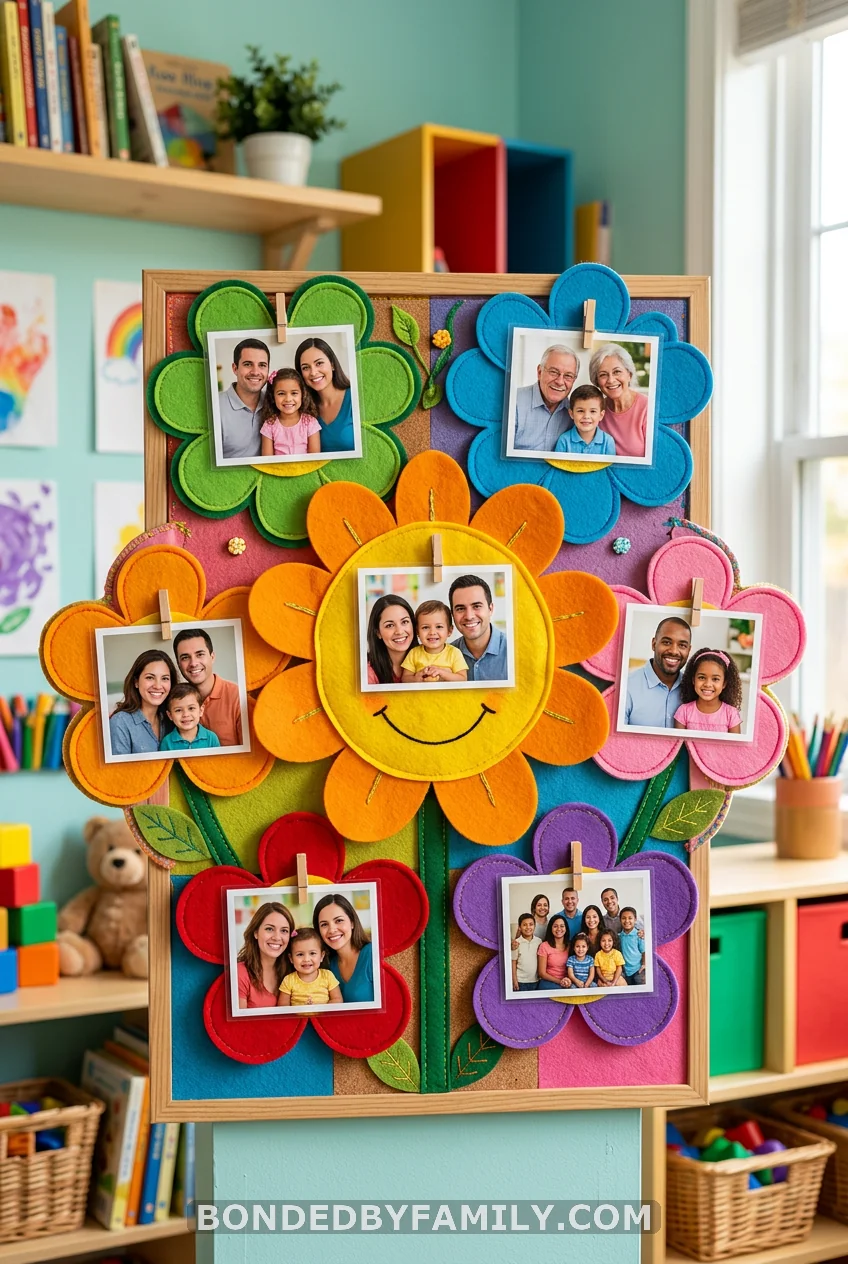
Ask parents to send one family photo, then glue each one to the center of a paper flower and arrange the flowers into a garden across the board. It builds a sense of belonging for toddlers who are away from home for long stretches, and every parent who spots their own face at drop-off tends to linger a little longer, which never hurts enrollment tours.
10. Myth: Toddlers Are Too Young to Notice a Bulletin Board
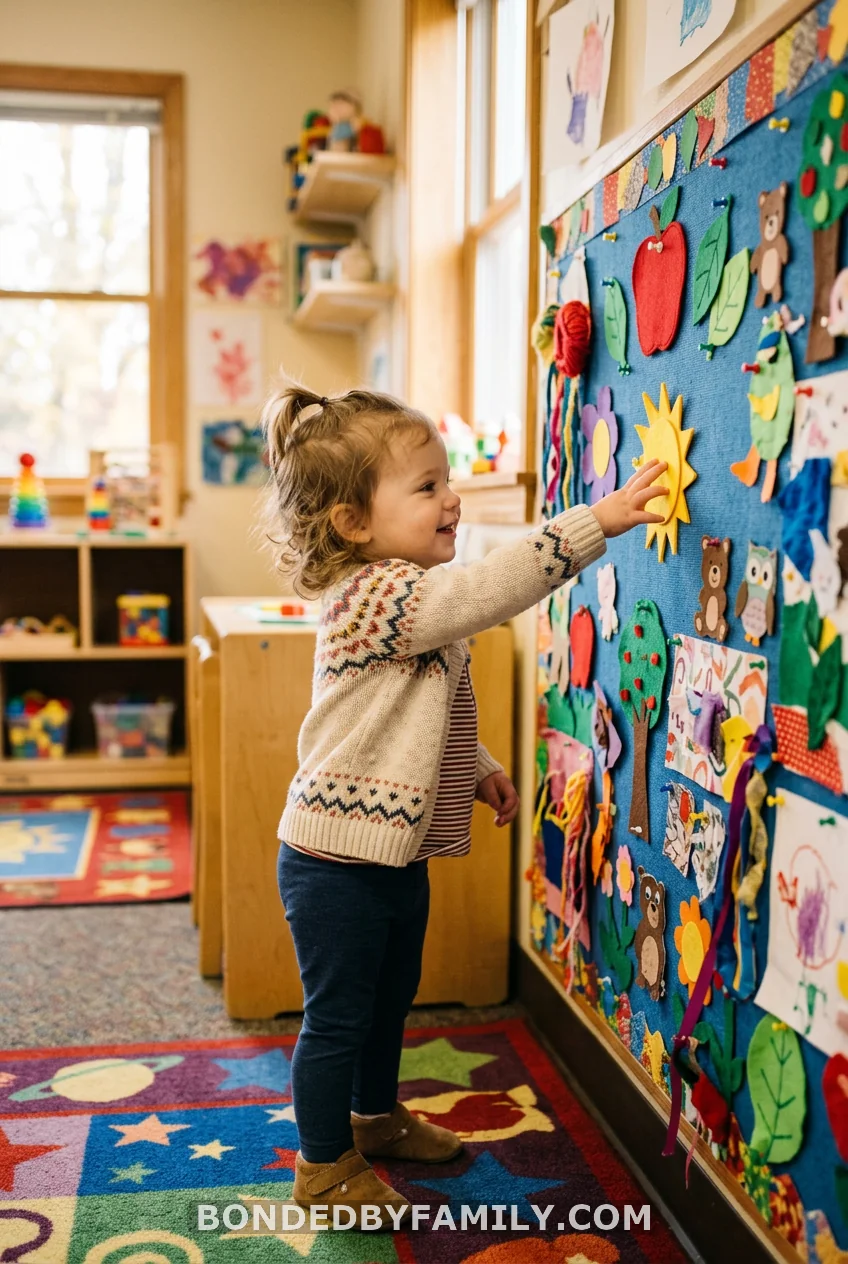
A lot of new daycare staff skip investing time in toddler rooms because they assume the board is wasted on kids who can’t read yet. The reality looks different. Research on infant and toddler visual attention shows babies as young as six months already prefer high-contrast patterns and faces over plain surfaces, and that preference only sharpens through the toddler years. A well-placed board at eye level with real photos, real textures, and real color contrast gets noticed constantly, even by a child who can’t name a single letter on it. The board isn’t decoration for adults walking by. It’s one of the first pieces of the room a toddler studies closely.
11. Cautionary Tale: The Loose Button Board
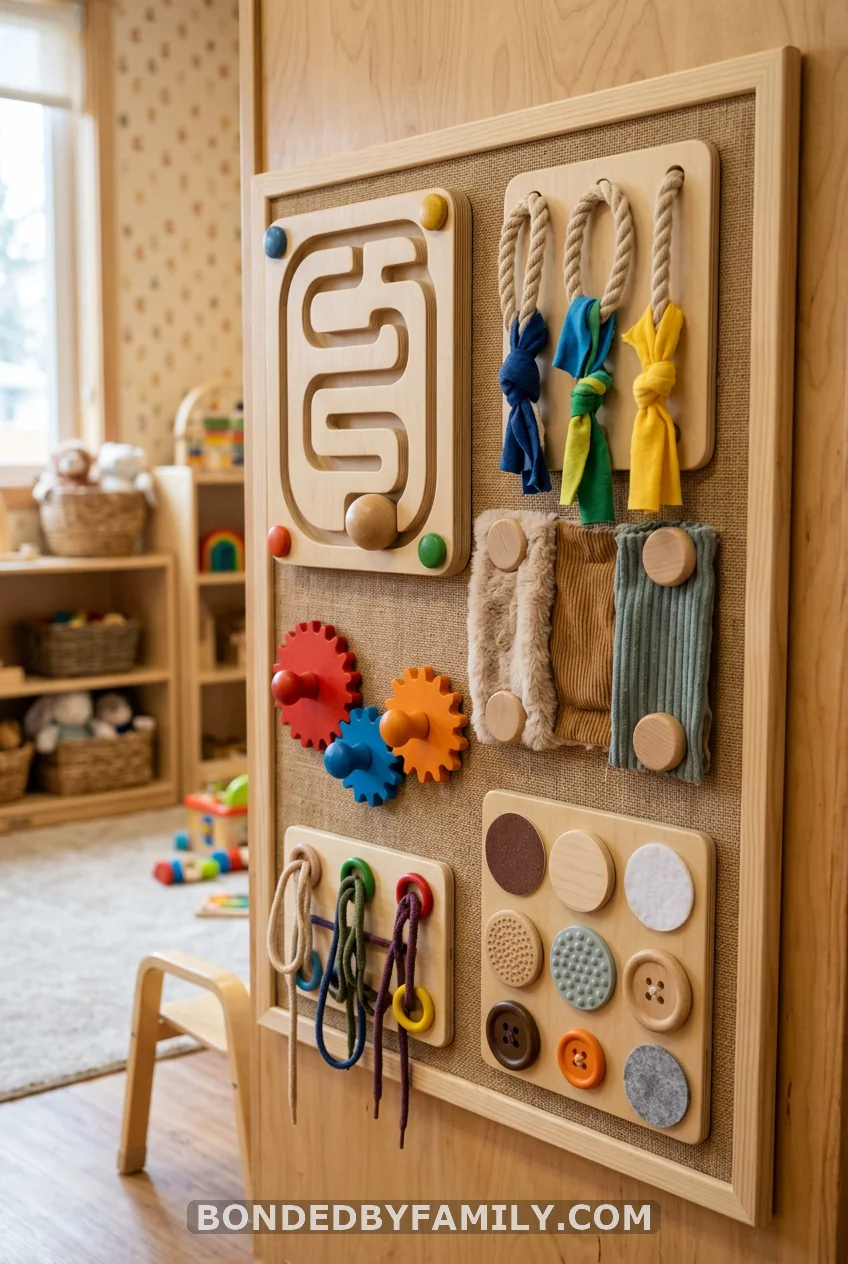
A home daycare provider once built a beautiful sensory board using buttons, dried beans, and small wooden beads glued along the border for extra texture. Within a week, a two-year-old had worked one bean loose with a fingernail and put it straight in her mouth. No injury happened that day, thankfully, but it forced a full teardown and rebuild using only pieces too large to fit inside a toilet paper tube, the standard choke-hazard test used by most licensing agencies. Anything smaller than that tube opening, roughly 1.25 inches across, doesn’t belong within reach of a toddler’s fingers. Save the tiny beads and buttons for a preschool room down the hall where they belong.
Choosing the Right Board for Your Room
Not every idea on this list fits every daycare room. A home daycare with one toddler on the roster might lean into the mirror corner or the weather wheel, since both work well solo. A center-based room juggling a dozen toddlers benefits more from the parent pocket chart and the cubby photo wall, since those boards do double duty as communication tools during a chaotic pickup line. Start with whichever board solves your most annoying weekly problem, whether that’s parents asking the same schedule question or toddlers wandering a bare hallway, and build from there.
Frequently Asked Questions
What should be on a daycare bulletin board for toddlers?
Keep it low, textured, and photo-heavy. Toddlers respond best to real faces, bright color contrast, and anything they can touch, not text-heavy posters meant for adult eyes.
How often should a toddler daycare bulletin board change?
Rotate one section every two to four weeks rather than rebuilding the whole board. Toddlers notice small changes fast, and a partial refresh keeps costs and teacher time down.
What materials are safe for a toddler bulletin board?
Stick to pieces larger than 1.25 inches across, the standard choke-hazard test size, and use low-temperature glue guns so small hands don’t get burned during a curious poke.
How high should a toddler bulletin board hang?
Aim for 24 to 30 inches off the floor. That’s roughly toddler eye level, well below where most preschool and elementary boards get mounted.
Do toddlers really notice bulletin boards?
Yes. Studies on early visual attention show babies and toddlers prefer high-contrast patterns and real faces over plain surfaces, which means a well-placed board gets studied even by kids who can’t read a single word on it.
Your bulletin board doesn’t need to win a Pinterest contest. It needs to survive sticky fingers, cost less than a pizza night, and give one toddler a reason to pause on the way to snack time. Pick two or three ideas from this list, start small, and let the board grow with your room.